Best Clear Sealer for Cedar: Top Picks for Outdoor Cedar Protection
Cedar remains a popular choice for decks, outdoor furniture, planters, and garden structures thanks to its natural color and decay resistance. To preserve its look and extend longevity, a clear sealer that penetrates and shields without obscuring grain is essential. The following picks are clear or transparent sealers designed for cedar and similar woods, spanning plant-based, low-VOC, and UV-protective formulations. Use this quick guide to compare performance, safety, and application needs across five strong options.
| Product | Brand | Key Benefit |
|---|---|---|
| TriCoPolymer Clear Satin Cedar-Seal | Tricopolymer | VOC-free, non-toxic, deep cedar penetration |
| Thompson’s Transparent Cedar Stain | Thompson’s Water Seal | Clear cedar finish with UV protection |
| Thompson’s Clear Multi-Surface Seal | Thompson’s Water Seal | Clear, versatile sealant for wood, concrete, and more |
| DEFY Extreme Crystal Clear Seal | DEFY | Crystal clear, UV-blocking protection; long-lasting |
| Olympic WaterGuard Woodland Cedar | OLYMPIC | Transparent cedar finish with water protection |
TriCoPolymer Cedar Seal Clear

TriCoPolymer’s Clear Satin Cedar-Seal is designed for cedar and other softwoods, offering a low-odor, VOC-free formula that emphasizes safety for living spaces and gardens. The product is marketed as a non-toxic sealant that dries quickly and cleans up with soap and water, making it well-suited for DIY projects around homes and boat docks alike. Its penetrating action aims to protect wood fibers at the cellular level, helping to prevent surface flaking as cedar expands and contracts with humidity and temperature changes. The absence of VOCs reduces indoor air concerns for indoor-adjacent projects or enclosed outdoor spaces.
Because it’s formulated to resist moisture while remaining clear, this sealer emphasizes preservation of cedar’s natural texture and color. It is positioned for outdoor installations where exposure to sun, salt spray, and seasonal rain can degrade wood over time. Users should plan for reapplication on a schedule aligned with cedar’s exposure level and local climate. As with any penetrating sealer, surface cleanliness and dry conditions will influence initial adhesion and uniform color retention.
Thompson’s Transparent Cedar Seal

Thompson’s WaterSeal Transparent Cedar variant offers a clear finish designed to enhance cedar’s natural beauty while providing waterproofing protection. The formulation aims to deliver a transparent layer that resists moisture and UV damage, helping maintain cedar’s texture and color without darkening the grain. It’s marketed for outdoor use on decks, fences, and siding, with a focus on ease of application via brush, roller, or sprayer. As a cedar-friendly option, it emphasizes maintaining the wood’s natural aesthetic while delivering a protective barrier against weathering.
With a transparent finish, this sealer prioritizes wood texture visibility over solid color changes. The product’s UV resistance helps reduce fading and graying, keeping cedar looking fresh across seasons. Color fidelity can vary with cedar’s natural tone and prior finishes, so spot tests are recommended and reapplication intervals should align with local conditions, traffic, and moisture exposure. Thorough prep—clean, dry surfaces—will improve adhesion and long-term performance.
Thompson’s Clear Multi-Surface Seal
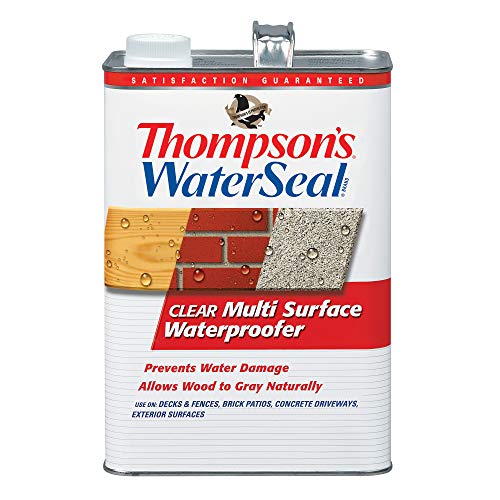
Thompson’s WaterSeal Multi-Surface Waterproofer Stain in Clear is designed for exterior wood and other surfaces, offering a versatile option that remains clear while delivering waterproofing properties. This product emphasizes broad compatibility, making it suitable for cedar decks, fences, and garden features that combine wood with stone or brick accents. The clear finish hides little of the wood grain but enhances natural coloration, and it includes UV resistance to minimize color loss under sun exposure. The spray- or brush-applied formula can simplify coating irregular shapes or larger cedar projects.
Because it’s presented as a multi-surface product, performance guidance often stresses surface preparation and consistency of coat thickness. Clear finishes tend to require periodic re-coats to maintain moisture barriers and color fidelity, especially in high-UV climates or locations with frequent rain. For cedar installations, plan for reapplication based on wear patterns, foot traffic, and proximity to water or soil moisture. Always test on a small area before full-scale application to confirm compatibility with existing finishes.
DEFY Extreme Crystal Clear Seal

DEFY Extreme Crystal Clear Outdoor Wood Stain and Sealer is designed to provide high-performance protection while maintaining a crystal-clear finish. It uses zinc nano-particles to help block UV rays, reducing sun-related aging and color fading on cedar and other exterior woods. The product is intended for decks, fences, and siding, and is compatible with various application methods—sprayer, brush, or roller. Coverage can vary with substrate texture and porosity, but the formula emphasizes long-lasting protection against moisture and weathering while keeping cedar’s natural texture visible.
Typical use involves applying a uniform coat to clean, dry wood and reapplying when water absorption becomes noticeable, indicating the need for refreshment. Clear finishes like this tend to require more frequent monitoring in climate zones with intense sun or heavy rainfall, yet they offer the advantage of preserving cedar’s natural beauty. For best results, perform a final inspection after the sealer has cured and address any missed spots with a touch-up coat. Expect reapplication cycles to align with local conditions and cedar’s exposure level.
Olympic WaterGuard Woodland Cedar

Olympic WaterGuard Woodland Cedar offers a ready-to-use, transparent cedar finish designed for exterior wood projects. This water-based sealant provides waterproofing protection while preserving cedar’s texture and grain, making it a practical option for decks, fences, and outdoor furniture. Coverage estimates fall in the range commonly seen for ready-to-use deck stains, with a typical gallon covering hundreds of square feet depending on porosity and application method. The product’s water-based formula generally dries quickly and cleans up with soap and water, simplifying maintenance and recoat scheduling for cedar surfaces frequently exposed to moisture.
In choosing a cedar-friendly solution, consider cedar’s exposure level, whether your project is near coastlines or inland water sources, and how often you expect to recoat. This option emphasizes transparency of finish to maintain cedar’s natural look while offering reliable moisture resistance. For best results, follow manufacturer directions for surface prep, drying times, and recoat intervals, and test a small area before broad application to confirm color and finish consistency across the entire cedar surface.
Buying Guide
- Finish type and appearance: Clear or transparent finishes preserve cedar’s natural grain. If you want more color enhancement, consider a tinted cedar stain instead, but note it will alter the wood’s appearance.
- Penetration vs. film formation: Penetrating sealers protect fibers and resist moisture without excessive film buildup, while film-forming sealers can create a thicker barrier but may peel if cedar joints flex or if humidity is high.
- VOC content and safety: For homes, gardens, or enclosed spaces nearby living areas, lower VOC or VOC-free options reduce odors and potential emissions. Plant-based, food-safe, or non-toxic formulations are preferable for garden structures and pet areas.
- UV protection and fade resistance: Cedar exposed to sun benefits from UV-blocking agents to slow graying and color loss. UV-resistant finishes help maintain cedar’s warm tones over time.
- Waterproofing performance: Look for products that claim water resistance or waterproofing to prevent swelling, warping, and water intrusion, especially in cedar used for decks or near water sources.
- Application methods and coverage: Determine whether a brush, roller, or sprayer suits your project. Check recommended coverage per gallon and factor in the wood’s porosity and surface area to estimate recoat frequency and costs.
- Maintenance and recoat intervals: Some finishes require annual touch-ups, while others last several years. Cedar’s exposure level and climate influence timing—plan ahead for reapplication schedules.
- Safety for gardens and edible areas: If applying near planters or gardening beds, consider plant-safe formulations. Some products emphasize non-toxicity and minimal chemical leaching into soil.
- Compatibility and previous coatings: Test compatibility with any prior finishes and ensure the surface is clean, dry, and free of mildew or dust before application to ensure adhesion and uniform color.
- Cost and availability: Compare price per gallon against coverage expectations. For large cedar installations, a more economical option with longer recoat intervals may offer better value while still delivering clear protection.