Best Circular Saw for Beginners: Top Picks for Easy, Safe DIY Projects
Circular saws are a cornerstone of any beginner’s toolbox. The right model balances power, weight, and ease of use, helping you tackle basic cuts with confidence. This guide highlights five beginner-friendly options, each with features designed to reduce fatigue and improve accuracy. We compare motor power, bevel capacity, weight, and included accessories to help you choose a model that fits your projects—from simple boards to quick deck cuts.
| Product | Brand | Key Benefit |
|---|---|---|
| Skil 5080-01 13-Amp 7-1/4″ Circular Saw | Skil | Strong motor; lightened design; bevel stops |
| SKIL 5280-01 7-1/4″ Circular Saw | Skil | High torque; laser guide; solid bevel range |
| DEWALT DCS391B 20V MAX Circular Saw | DEWALT | Cordless freedom; durable magnesium shoe |
| DEWALT DWE575 7-1/4″ Circular Saw | DEWALT | Extremely light; strong motor; large bevel range |
| Ryobi One P505 18V Circular Saw | RYOBI | Compact cordless option with GripZone |
Skil 5080-01 13-Amp Review

The SKIL 5080-01 combines a 13-amp motor with a lightweight body to reduce user fatigue during longer cuts. Its 51-degree bevel with positive stops expands cutting options while maintaining control. This model is suitable for beginners who want steady performance without sacrificing precision. The combination of power and ease of use helps novice users achieve clean crosscuts and bevels on common woods.
SKIL 5280-01 Features and Fit
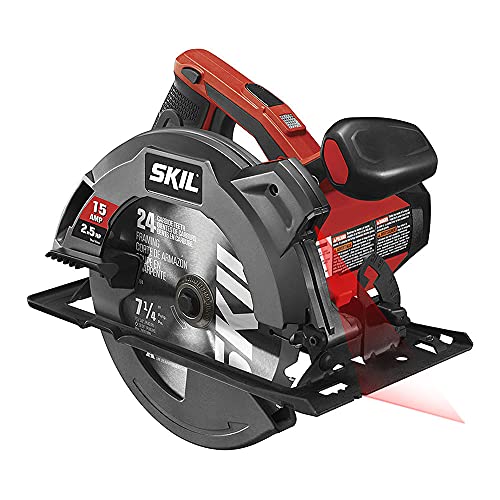
This model houses a robust 15-amp motor capable of delivering high speed for faster cuts. It includes a 7-1/4″ carbide-tipped blade and a spindle lock for easy blade changes. Bevel capacity reaches 51 degrees with a positive stop at 45 degrees, enabling versatile angle cuts for frames, shelving, and basic carpentry tasks. It’s a reliable option for beginners who want dependable power in a familiar Skil package.
DEWALT DCS391B 20V MAX Circular Saw

DEWALT’s cordless DCS391B trades cord freedom for portability with a 20V MAX battery (sold separately). A 5150 RPM motor delivers quick cuts, while a magnesium shoe reduces weight and resists jobsite wear. An ergonomic rubber overmolded handle supports comfort and balance, making prolonged use more feasible for beginners who want to work away from outlets.
DEWALT DWE575 Lightweight Corded Saw

Weighing in as one of the lightest in its class at about 8.8 pounds, this corded model carries a 15-amp motor for demanding cuts. The bevel reaches 53 degrees with stops at 45 and 22.5 degrees, expanding your range for framing and decking projects. Its lightweight design helps beginners avoid fatigue during longer sessions while still delivering solid performance.
Ryobi One P505 18V Circular Saw

Ryobi’s cordless option uses an 18V battery to provide a compact, balanced tool ideal for small projects or tight spaces. The GripZone overmold improves handling, while a transparent lower guard offers better visibility during cuts. An adjustable bevel supports various angles, making it a practical starter saw for simple woodworking tasks.
Enventor 7-1/4″ Circular Saw Overview

The Enventor model features a 10A pure copper motor for strong cutting speed up to 5800 RPM, making it suitable for laminates, wood, and plastics. It comes with two blades (40T and 24T) and supports cutting angles from 0° to 45°, with a maximum depth corresponding to those angles. The laser guide improves accuracy for straight cuts, a useful feature for beginners seeking precision with minimal setup.
Buying Guide: Key Purchase Considerations
When selecting a beginner-friendly circular saw, consider power versus weight. A 13–15 amp motor provides ample cut power for most common woods, but a heavier tool can tire you out quickly. Look for bevel capacity around 45–53 degrees with positive stops to simplify angle cuts for frames and shelving.
Corded models offer steady performance and no battery management concerns, while cordless options provide portability for projects away from outlets. Battery-powered models should pair with a comfortable grip and a balanced feel to minimize fatigue during longer sessions.
Blade type and size influence cut quality and versatility. A standard 7-1/4″ blade handles most home projects, with carbide-tipped blades providing longer life. A spindle lock and clear guards simplify blade changes and visibility during cuts, helping newcomers stay safe and accurate.
Weight distribution, shoe material, and ergonomics affect control. Magnesium or aluminum shoes cut weight without sacrificing durability, and cushioned handles support better grip amid longer work. Laser guides or bevel stops can improve precision, especially for first-time projects requiring straight lines and repeatable angles.
Budget and future needs matter. If you anticipate growing into more complex tasks, investing in a tool with a robust motor, solid bevel range, and compatible blades may save time and money later. For occasional, straightforward cuts, a lighter model with decent power is sufficient and easier to learn on.
In summary, beginner-friendly circular saws balance power, weight, and ease of use. The five models highlighted here provide a range of cordless and corded options, strong cutting capabilities, and features that support accuracy and safety. Consider your typical projects, workspace, and comfort level as you choose the best fit for your workshop.