Best Caulk for Metal: Top Sealants for Metal Surfaces
Metal projects demand durable seals that resist moisture, temperature swings, and weathering. This guide highlights the best caulks for metal surfaces, including silicone and acrylic options, high-temperature formulations, and products built to last in kitchens, bathrooms, roofs, and industrial settings. You’ll find practical guidance on adhesion, cure times, and substrate compatibility, plus real-world considerations for indoor and outdoor use. The selections below emphasize metal-specific performance and broad versatility, helping you choose a sealant that stays flexible and strong across metal finishes, coatings, and exposed environments.
| Product | Brand | Primary Use | Notes |
|---|---|---|---|
| GE5050 Silicone II Aluminum and Metal Sealant | Momentive | Metal surfaces (aluminum and more) | Grey silicone sealant designed for metal substrates; Momentive performance materials. |
| Gorilla Waterproof Caulk & Seal Silicone Sealant | GORILLA | Indoor/outdoor, kitchen, bathroom, metal included | 100% silicone with rapid water exposure readiness (as little as 30 minutes). |
| Titebond 61121 Metal Roof Sealant | Titebond | Metal roofing and metal substrates | Adheres to Kynar coated metals and tolerates extreme weather conditions. |
| Titebond Pro-Grade Plus Siliconized Acrylic Caulk | Titebond | Interior/exterior with metal and other substrates | Siliconized acrylic, paintable, allows ±25% joint movement. |
| Kraken Bond High Temperature Fireplace Sealant | KRAKEN BOND | High-heat metal joints (fireplaces, stoves, chimneys) | Withstands up to 2732°F; fire-rated and paintable. |
GE5050 Metal Sealant From Momentive
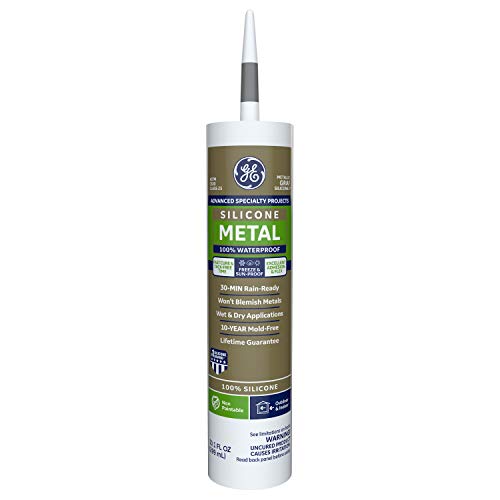
GE5050 Silicone II Aluminum and Metal Sealant is a gray silicone sealant designed specifically for metal substrates. Marketed as a Momentive “perform material,” it emphasizes durability and flexibility for metal joints, including aluminum framing and siding. The gray color helps blend with most metal finishes, providing a discreet, weather-resistant seal. This type of sealant is typically chosen for exterior metal seams, roof penetrations, and gaskets where movement and moisture exposure are a concern. Its silicone base offers water resistance, good elongation, and a long service life in outdoor environments. For metal projects, this product can deliver a reliable, flexible seal that remains stable through temperature changes and moisture cycles. Typical use cases include roofing joints, gutters, flashing, and metal-to-metal connections that require a watertight seal. Size and cure times vary by substrate exposure, but the silicone formulation generally offers strong adhesion on clean metal surfaces with minimal priming required.
Gorilla Waterproof Caulk & Seal

Gorilla Waterproof Caulk & Seal is a versatile silicone sealant designed for both indoor and outdoor use. The product notes emphasize readiness to resist water exposure in as little as 30 minutes after application, which can be advantageous for metal joints exposed to humidity, ocean air, or rain. While marketed as all-purpose, its 100% silicone composition provides durable moisture resistance for metal surfaces such as window frames, metal doors, and kitchen/furnace enclosures. It adheres well to many substrates and remains flexible after curing, helping seal joints that experience slight movement. This makes it a practical choice when a fast-setting, weatherproof seal is needed on metal components.
Titebond Metal Roof Sealant

Titebond 61121 Metal Roof Sealant is a purpose-built option for metal roofing projects and other metal substrates. It is designed to adhere to Kynar-coated metals, which speaks to robust bonding in demanding outdoor environments. The formula is engineered to perform under extreme weather conditions and remains flexible as temperatures fluctuate. This product is suitable for sealing joints, roof penetrations, and flashing where metal-to-metal or metal-to-surface sealing is required. The combination of strong adhesion and weather tolerance makes it a reliable choice for metal roof applications, gutters, and exterior metal components that need a lasting seal with resistance to cracking and shrinking over time.
Titebond Pro-Grade Plus Siliconized Acrylic Caulk

Titebond Pro-Grade Plus Siliconized Acrylic Caulk is a white, siliconeized acrylic sealant intended for diverse interior and exterior surfaces, including metal. It is designed for sealing joints, repairing cracks, and back-filling gaps with tolerance for joint movement up to about ±25%. This makes it suitable for trim work, metal accents, and penetrations where a paintable seal is beneficial. The product’s acrylic base enhances ease of tooling and cleanup, while its siliconeized composition improves water resistance and adhesion to metal substrates. It’s a versatile option when a low-odor, paintable seal is required for metal projects that won’t be exposed to extreme heat.
Kraken Bond High Temperature Sealant

Kraken Bond High Temperature Black Fireplace Sealant is designed for high-heat metal applications. It is rated to withstand temperatures up to 2732°F, making it suitable for fireplaces, stoves, chimneys, ovens, and HVAC penetrations near heat sources. The sealant is easy to apply and cleanup is straightforward with water when uncured. It adheres to multiple substrates, including brick, stone, concrete, and metal, enabling a versatile use across high-temperature metal joints. The product’s fire-rated class and fast-drying properties help seal joints that demand reliable resistance to heat while maintaining a flexible seal suitable for metal surfaces exposed to thermal cycling.
Buying Guide
Choosing the right caulk for metal requires weighing substrate compatibility, temperature exposure, and the environment where the seal will live. The following considerations help compare options and select the best fit for a given project.
Substrate Compatibility
- Metal types vary in coating and porosity. Some caulks bond best to bare metal, while others require priming or work better on painted or coated surfaces. Look for products explicitly listing metal, aluminum, steel, or Kynar-coated metals as suitable substrates.
- For exterior metal work, choose a formulation designed to resist UV exposure, oxidation, and moisture infiltration.
Temperature Resistance and Curing
- High-temperature sealants are essential for fireplaces, stoves, and near heating vents. Ensure the product’s temperature rating matches or exceeds the intended service temperature.
- Consider curing time and water exposure readiness. Some silicones cure quickly and tolerate moisture early in the process, which can be advantageous in damp environments.
Elasticity and Joint Movement
- Metal joints can experience expansion and contraction. Sealants with good elongation and movement capability help prevent cracking during cycles.
- Silicone-based formulas typically offer higher elasticity and longer life in exposed metal joints, while acrylic-based products may be easier to tool and paint over for interior applications.
Adhesion and Surface Preparation
- Surface cleaning and dry conditions improve adhesion. Some products require priming on certain metals or coatings; others claim good adhesion with minimal prep.
- For faces with moisture, choose moisture-tolerant formulas to reduce cure-time variability.
Finish, Paintability, and Color
- Color choice matters for aesthetics on metal trim or roofing. Paintable acrylic or siliconized products allow matching with surrounding finishes.
- Clear or gray silicone options blend with most metal finishes, reducing visibility of the sealant line.
Application Tools and Cleanup
- Some products come in ready-to-use cartridges, while others may require a caulk gun or finishing tools. Consider the ease of application for DIY versus professional use.
- Water-based cleanup is convenient for some acrylic formulas, while silicone products may require mineral spirits for cleanup if cured.
Safety and Environmental Impact
- Check for low VOC formulations if indoor use is planned. PPE such as gloves and ventilation is advisable when applying any sealant in enclosed spaces.
- Fire-rated or high-temperature sealants should be used only in appropriate, rated locations as described by the manufacturer.
By aligning product features with project specifics—substrate type, exposure to weather, temperature range, and finish requirements—you can choose a metal sealant that offers durability, flexibility, and ease of use. The five products highlighted above provide a spectrum of options from everyday indoor metal joints to high-heat metal interfaces, helping builders and homeowners select the right sealant for metal surfaces.