Best Caulk for Aluminum: Top Sealants for Metal Projects
Choosing the right caulk for aluminum surfaces protects joints, blocks drafts and leaks, and endures temperature changes. Aluminum projects—from HVAC duct work to exterior panels and trim—need a sealant that adheres well, stays flexible, and resists cracking over time. The following five products stand out for aluminum and related metals, balancing adhesion, elasticity, and durability for both indoor and outdoor use. Each option is described with its key strengths, suitable applications, and notable performance traits to help you compare options at a glance.
| Product | Brand | Surface Compatibility | Key Strengths |
|---|---|---|---|
| Red Devil 089650 Extreme Temperature HVAC/R Silicone Sealant | Red Devil | Metal, Aluminum, Concrete, Glass, Fiberglass, Vinyl, Plastic | -60°F to 400°F range; permanent flexibility; weather-resistant seal that won’t crack, shrink, or peel |
| GE GE5050 Silicone II Aluminum and Metal Sealant | Momentive | Aluminum and Metal | Grey silicone sealant; flexible, durable seal suitable for metal joints |
| DAP 18286 Dynaflex 230 Sealant | DAP | Aluminum/Grey surfaces | Latex-based, versatile caulk & sealant; US manufactured; good adhesion and elasticity |
| Aluminum BioSeal General Purpose Silicone Caulk & Sealant 10.1oz | ZERED | General-purpose silicone on aluminum and related surfaces | 100% silicone; waterproof; UV protection; 50-year durability; low odor |
| Finish Line Caulk – Aluminum Gray Sealant | Finish Line Caulk | Aluminum Gray finishes; trim, baseboards, windows | Acrylic urethane elastomeric formula; pre-filled precision gun; flexible and durable with fine-tip control |
Red Devil Extreme Temperature Sealant

Red Devil 089650 is engineered for HVAC/R applications and excels on aluminum and other common building substrates. Its weather-resistant temperature range (-60°F to 400°F) makes it a strong choice for metal duct joints, exterior panels, and roof penetrations exposed to cold and sun. The adhesive formula adheres well to metal, aluminum, concrete, glass, fiberglass, vinyl, and plastic, delivering a flexible, durable seal that resists cracking, shrinking, or peeling over time. This 280 ml tube provides reliable coverage for mid‑sized projects.
With permanent flexibility, the seal remains pliable amid vibration and thermal expansion, helping maintain a tight seal through seasonal changes. It’s particularly suitable where aluminum surfaces meet other substrates and where outdoor weather exposure is a factor. For HVAC installations, metal-to-metal gaps, or exterior joints near moisture, Red Devil offers a robust, long-lasting option that reduces maintenance needs.
GE GE5050 Silicone II Aluminum & Metal Sealant
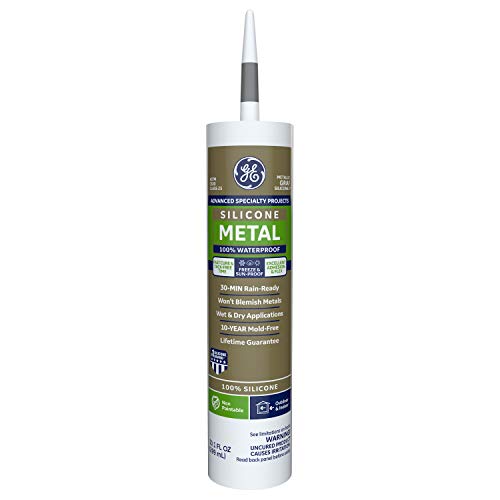
GE5050 Silicone II Aluminum and Metal Sealant from Momentive is a grey silicone sealant designed specifically for aluminum and metal substrates. The silicone-based formulation provides a flexible, durable seal that resists weathering and moisture—an important attribute for outdoor metal joints, panels, and enclosures where aluminum is involved. The 10.3 oz tube supplies a convenient volume for larger projects and repairs, offering reliable performance without frequent reapplication.
As a silicone II sealant, GE5050 cures to a resilient, elastic state that accommodates thermal movement and vibration. It is well-suited for joints in metal trim, panels, or HVAC components where a stable seal is needed over time. Users should consider the color—a metallic gray finish can blend with many aluminum surfaces—while following manufacturer guidelines for surface preparation and cure times.
DAP Dynaflex 230 Sealant

Dynaflex 230 from DAP is a gray latex sealant designed for a range of caulking and sealing tasks, including aluminum and grey surfaces. The product is listed as a 10.1-ounce sealant with application focused on caulk and sealant projects, including silicone-adhesives. Manufactured in the United States, this option emphasizes accessibility and ease of use in typical home improvement and minor outdoor projects involving aluminum panels or trim.
As a latex-based sealant, Dynaflex 230 can offer good adhesion and flexibility for joints that experience movement. It is commonly used in interior and exterior applications where aluminum meets other materials, such as window frames, trims, or light metal enclosures. The user should verify whether painting over the cured sealant is desired and if color matching to aluminum is important for the finished look.
Aluminum BioSeal Silicone Caulk & Sealant

Aluminum BioSeal from ZERED is a 100% silicone caulk designed for aluminum and surfaces exposed to moisture. The product emphasizes waterproof performance and UV protection, with claims of 50 years of durability, no yellowing or color change, and low odor. As a 100% RTV silicone, it is well-suited for outdoor metal joints, bathrooms, kitchen areas, and other aluminum surfaces facing water exposure or humidity. The formula provides reliable long-term seals with minimal maintenance needs.
The silicone composition offers strong resistance to moisture intrusion and weathering, making it a popular choice for exterior metal seams, gutters, and window frames. While silicon-based sealants cure to a flexible state, users should follow preparation steps and cure time instructions to ensure optimal adhesion on aluminum surfaces and to monitor any odor or ventilation concerns during application.
Finish Line Caulk Aluminum Gray Sealant

Finish Line Caulk offers an acrylic urethane elastomeric sealant in an aluminum gray finish. It arrives in a pre-filled precision caulk gun with a fine-tip applicator, enabling controlled, mess-free work on trim, baseboards, cabinetry, windows, and doors. The formula remains flexible to expand and contract with temperature fluctuations, reducing the risk of cracking, shrinking, or peeling on aluminum surfaces. The ultra-fine tip supports detail work and small gaps, making it suitable for finishing touches and precise seal lines.
Because this option combines acrylic and urethane properties, it can offer balanced performance for indoor and some outdoor projects. The aluminum gray finish helps blend with metal surfaces, though the application may be best for detailed edges rather than broad exterior joints. As with all caulks, follow manufacturer guidelines for surface preparation, cure time, and any painting requirements if color uniformity is important.
Buying Guide
When selecting a caulk for aluminum, consider how the product will be used, exposure conditions, and the type of joint you’re sealing. The right choice balances adhesion, elasticity, and durability with practical aspects like ease of application and finish appearance. Below are key purchase considerations and how different options stack up for common aluminum projects.
- Surface compatibility: Look for caulks explicitly listed for aluminum or metal surfaces. Some silicone-based products emphasize metal adhesion, while latex-based formulas may be easier to apply but paintable, depending on your project needs.
- Temperature range and weather resistance: Outdoor or HVAC-related joints benefit from wide temperature tolerance and weatherproof seals. Sealants like Red Devil offer broad temperature resistance, while others may focus on general moisture protection.
- Flexibility and elasticity: Joints in metal panels and trims expand and contract with temperature changes. Choose products described as permanently flexible or elastomeric to minimize cracking over time.
- UV exposure and color stability: Exterior aluminum applications benefit from UV-stable formulas that resist yellowing and color changes. Silicones typically offer superior UV resistance.
- Sealant type and cure time: Silicone sealants cure to a flexible, durable state but may have longer cure times; acrylic/urethane blends can cure faster and be paintable, depending on the formula.
- Finish and color: Aluminum gray options blend with metal surfaces, while white or clear sealants may be less conspicuous on certain joints. Consider whether you need to paint over the cured sealant.
- Application method: Some products come in a pre-filled caulk gun or have fine-tip options for precise lines, useful for trim and detailed work on aluminum surfaces.
- Odor and VOCs: If working in enclosed spaces, low-odor and low-VOC formulas can improve comfort and air quality during application.
- Durability and warranty: Long-term performance—especially on exterior joints—depends on formulation and brand reliability. Review product claims for long-term protection and environmental exposure.
- Painting over cured sealant: If you plan to paint, verify whether the silicone or acrylic/urethane sealant is paintable and which paints are compatible with aluminum surfaces.
In practice, for aluminum-focused sealing tasks, silicone-based products tend to offer superior moisture resistance and longevity, while acrylic-based options can provide faster cure times and paintability for interior finishing. For HVAC and outdoor metal joints, prioritize products with wide temperature tolerance, strong adhesion, and UV/ Weather resistance. When in doubt, match the sealant to the specific aluminum surface (panel, trim, duct, or frame) and consider whether you need color matching or a flexible, long-lasting seal over time.