Best Camellia Oil for Tools: Protect Blades and Equipment With Premium Tsubaki Oils
Camellia oil, often called tsubaki oil, is a traditional Japanese lubricant and rust-prevention solution for carbon steel blades, scissors, gardening tools, and many other metal surfaces. When selecting a camellia oil for tools, look for pure, cold-pressed varieties that form a thin protective film without leaving a pungent odor or sticky residue. This guide highlights five top camellia oils that balance rust resistance, ease of use, and food-safety considerations where relevant. The included buying guide helps you compare formulation, packaging, and application methods across options.
| Product | Brand | Notes |
|---|---|---|
| KUROBARA 100% Pure Tsubaki Japanese Knife Maintenance | KUROBARA HAMONO TSUBAKI | 3.4 oz, rust prevention for carbon steel tools |
| KUROBARA 100% Pure Tsubaki Japanese Cutlery Oil | KUROBARA HAMONO TSUBAKI | 8.3 oz dispenser, extended protection |
| Knife Pivot Lube – Camellia Knife Oil | Knife Pivot Lube | 60 ml spray, convenient maintenance |
| Oshima Tsubaki Camellia seed Oil | Oshima Tsubaki | 2.03 fl oz, pure seed oil, multi-use |
| Grumpy Dad Co Camellia Oil, Food Grade | Grumpy Dad CO | 3.7 oz, food-grade safety for kitchen tools |
KUROBARA 100% Pure Tsubaki Japanese Knife Maintenance Camellia Oil (3.4 oz)
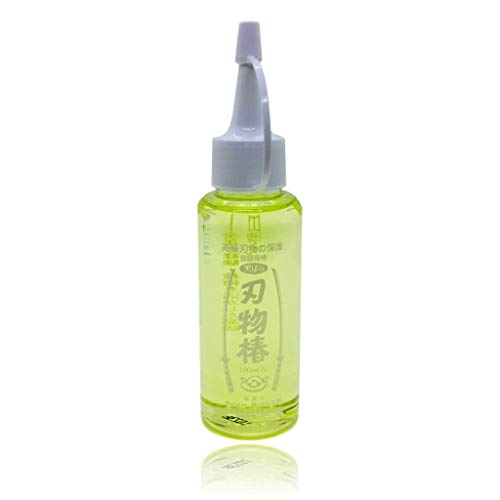
The KUROBARA 3.4 oz camellia oil is designed to prevent rust on carbon steel blades and other metal tools. The recommended process is simple: clean the tool, dry it completely, then apply a light coating with a cloth. This oil doubles as a general lubricant for machinery and tools, making it a versatile option for kitchen blades, sewing equipment, and gardening implements. Its formulation emphasizes a clean, non-greasy film that won’t impart flavors—an important consideration for kitchen knives and cutting tools used around food prep. The compact size supports easy monthly touch-ups or on-the-go maintenance for clubs and workshops.
Key considerations for this product include rust prevention efficacy on carbon steel surfaces and the convenience of application. The oil is suitable for various cutting implements and is compatible with a broad range of metals, which helps simplify tool maintenance under different working conditions. Users should ensure the blade or tool is dry before application to maximize film formation and minimize moisture entrapment. For hobbyists and professionals alike, this oil offers long-term protection without frequent reapplication, provided storage conditions remain stable and cool.
KUROBARA 100% Pure Tsubaki Japanese Cutlery Oil (8.3 oz) Dispenser

This larger 8.3 oz version continues KUROBARA’s emphasis on rust protection for cutlery and tools. The extended dispenser makes routine maintenance practically effortless, reducing the frequency of reapplication for busy kitchens and workshops. The same basic care steps apply: treat bright metal surfaces after cleaning and drying, then wipe in a thin film that limits oxidation and rust formation. The oil’s compatibility with various carbon steel items—knives, scissors, sewing machines, and gardening tools—helps streamline tool care across multiple activities in both home and professional environments.
From a performance standpoint, the larger bottle minimizes the need for frequent buy-and-replace cycles, which can appeal to serious cooks, woodworkers, and hobbyist tool enthusiasts. It’s important to store the oil away from heat and direct sunlight to preserve its oxidative stability over time. As with the smaller bottle, this product doubles as a lubricant for certain machinery and components, expanding its utility beyond blades alone.
Knife Pivot Lube – Camellia Knife Oil for Blades
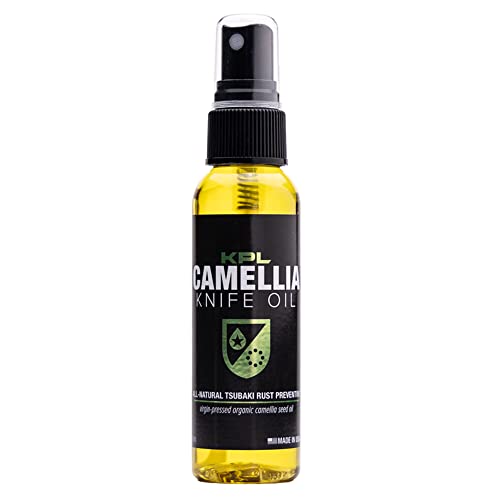
Knife Pivot Lube offers a camellia seed oil-based spray for quick blade maintenance. The product description emphasizes creating an oxygen barrier that reduces rust, corrosion, and discoloration on carbon steel knives, swords, and other metal tools. The spray format enables fast, precise application—especially useful for pivoting mechanisms and areas that are difficult to reach with a cloth. It is marketed as food-safe and designed to minimize metal-to-metal contact under heavy use, making it suitable for kitchen knives and other culinary tools where a non-flavored film is preferred.
Practical considerations include spray coverage and the thinness of the oil film, which helps avoid residue buildup on delicate edges. The convenience factor is a major draw, particularly for professional kitchens, sharpening enthusiasts, or hobbyists who perform regular blade maintenance. As with other camellia oils, follow up with a thorough wipe after a brief settling period to ensure an even, light protective layer remains on the blade surface.
Oshima Tsubaki Camellia Seed Oil

Oshima Tsubaki Camellia Seed Oil presents a pure, English-packaged option suitable for users in the United States seeking straightforward labeling. This 100% natural, single-ingredient oil is versatile for hair, skin, and nails, yet it remains an effective tool oil for blades and metal surfaces when used in moderation. The simple formulation reduces the risk of additives interacting with finishes on tools and allows users to control application thickness precisely. Packaging clarity and language accessibility can enhance user confidence, particularly for first-time buyers or those comparing global brands in the market.
In practice, this oil’s purity makes it a flexible choice for those who value a minimalistic ingredient list. For tool care, apply a light layer after drying surfaces and wipe away any excess to prevent a sticky film. It also suits broader cosmetic uses, which can be advantageous for mixed-use households or workshops that double as craft spaces.
Dr Joe Lab Japanese Camellia Seed Oil

Dr Joe Lab’s Camellia Seed Oil is described as pure, unrefined, and cold-pressed, with a focus on nutrient-rich properties that can benefit skin and nails as well as blades and tools when used appropriately. The product emphasizes a consistent quality despite packaging variations, a relevant point for buyers who rely on stable performance in busy environments. The oil’s nutrient profile, including vitamins, supports a gentle film formation that can help protect metal surfaces without adding heavy residues.
For tool care, consider applying a small amount to a clean cloth and distributing evenly on the surface. The oil’s multi-use nature makes it attractive for users who prefer a single product that can serve both cosmetic and mechanical roles, though it’s wise to label containers clearly when used around food-prep areas to avoid cross-contact concerns.
Grumpy Dad Co Camellia Oil, Food Grade

Grumpy Dad Co offers a food-grade camellia oil option designed to protect knives, cutting boards, and wooden kitchen tools without imparting flavors. The product emphasizes safety and versatility, aligning with kitchens where oil contact with food must be minimized in terms of taste impact. The compact 3.7 oz size supports easy storage and targeted maintenance sessions, allowing you to treat blades and wooden tools with minimal waste. For best results, apply a light film and wipe away any excess to avoid residue on food-contact surfaces.
From a safety perspective, food-grade camellia oil is a strong choice for households that combine cooking and tool care. While primarily used for blades and wooden utensils, it can also support light lubrication of kitchen machinery and drawer hardware. Storage in a cool, dry place helps preserve the film’s protective properties over time, especially in humid conditions that can accelerate oxidation.
Buying Guide: Camellia Oil For Tools
Key purchase considerations help users select the best camellia oil for their needs. These factors cover formulation, packaging, and application method, plus safety and compatibility with different tools.
- Purity and pressing method: Prefer 100% pure, cold-pressed camellia oil to minimize additives that could affect tool finishes or food safety.
- Film thickness and spreadability: A light, rapid-penetrating film prevents rust without creating a sticky residue on blades.
- Tool compatibility: Check whether the oil supports carbon steel, stainless steel, or wooden tools, and whether it doubles as a lubricant for pivots or hinges.
- Application format: Sprays, dispensers, and bottle applicators can influence how easily you maintain tools in high-traffic environments.
- Food-grade considerations: If tools contact food, prioritize food-grade options and clearly label multi-use oils to avoid cross-contamination.
- Packaging size: Larger bottles reduce replacement frequency for regular maintenance; smaller bottles suit casual or portable use.
- Storage conditions: Keep oils away from heat and moisture to preserve oxide stability and extend shelf life.
- Allergen and allergen-free labeling: For workplace or kitchen environments, ensure labeling clearly communicates contents and safety.
- Cost-to-value balance: Compare coverage area, frequency of reapplication, and the oil’s protective quality to determine long-term value.
- Cross-use scenarios: Some oils function well as cosmetic carriers, while others are optimized for blades and tools, so align with your primary use case.
In summary, selecting the right camellia oil for tools involves weighing purity, ease of use, tool compatibility, and safety considerations. Whether you need a compact bottle for on-the-go blade care, a larger dispenser for workshop maintenance, or a food-grade option for kitchen tools, there are camellia oil products designed to fit various workflows. Regular, light applications—combined with proper cleaning and drying—provide the best rust protection and blade longevity over time.