Best Blade Materials for EDC Knives: Durable, Sharp, and Reliable
When selecting an everyday carry (EDC) knife, the blade material is often the deciding factor between a dependable tool and a fragile souvenir. Each steel type offers a balance of edge retention, corrosion resistance, toughness, and ease of maintenance. This guide examines five standout fixed-blade models that showcase popular blade materials in real-world contexts, from backcountry camping to urban day-to-day tasks. By comparing steel chemistry, design, and practical performance, readers can identify which blade material best suits their routine and environment.
| Brand & Model | Blade Material | Use Case |
|---|---|---|
| Ccanku C1140 Fixed Blade Knife | D2 | Outdoor, survival, hiking |
| CIVIVI Circulus Fixed Blade Knife | 10Cr15CoMoV | EDC and everyday tasks |
| Eafengrow EF121 EDC Fixed Blade Knife | D2 | Camping, outdoor activities |
| Gtkii GTK6 Fixed Blade Knife | AUS-10 | Outdoor, survival, heavy use |
| Kizer Deckhand Fixed Blade Knife | D2 | Camping, hiking, everyday carry |
The following sections highlight real-world performance, material pros and cons, and how each knife aligns with common EDC scenarios. Consider edge retention, corrosion resistance, and maintenance needs alongside handle ergonomics and sheath design to choose the best blade material for your everyday needs.
Ccanku C1140 D2 Fixed Blade Knife

The Ccanku C1140 focuses on a robust D2 steel blade paired with a G10 handle. D2 is a high-carbon tool steel known for excellent abrasion resistance and edge retention under heavy use, making it well-suited for outdoor tasks, rope work, and camp chores. The knife ships with a Kydex sheath that secures the blade without slipping, which is essential for reliable carry during activities like hiking or camping. At 7.6 inches overall with a 3.4-inch blade, this knife strikes a balance between portability and practical chopping capability. The fixed blade design enhances stability for tougher tasks such as batoning or food prep on the trail, while the G10 scales provide a secure, non-slip grip in damp conditions.
In practice, D2 blades require occasional maintenance to prevent corrosion, especially in humid or salty environments. Regular cleaning, thorough drying, and light lubrication help maintain the edge and prevent rust. The Ccanku C1140 is best suited for users who want a rugged, do-it-all EDC fixed blade that can handle routine survival tasks without frequent sharpening, while still offering reliable performance in a compact form factor. Its weight of roughly 135 g keeps it manageable for long hikes or multi-day trips where weight matters but toughness cannot be sacrificed.
Kizer Deckhand D2 Fixed Blade Knife
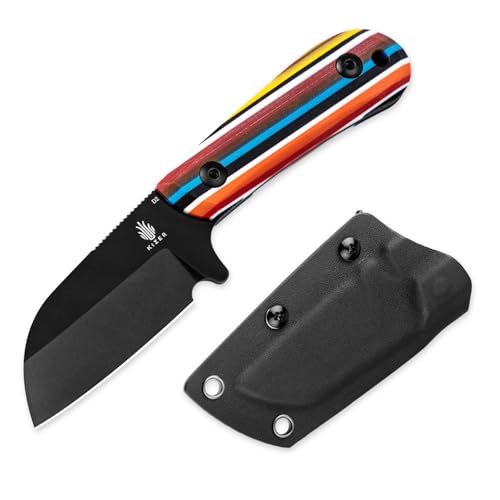
The Kizer Deckhand pairs a D2 blade with a sturdy G10 handle and a practical fixed-blade design. D2, a wear-resistant tool steel, offers solid edge retention with the right maintenance. The blade is stonewashed, which can help hide micro-scratches from outdoor use and field maintenance. The G10 handle provides a secure grip in various conditions, and the full-tang construction offers dependable strength for demanding tasks like cutting, carving, and small-scale processing while camping or hiking. The knife also includes a lanyard hole for secure carry and quick access in emergencies.
Users who value a balance of toughness and edge retention will appreciate the Deckhand. However, D2 blades can be prone to corrosion if neglected in wet or corrosive environments, so drying after exposure and occasional oiling are recommended. This model suits EDC enthusiasts who want a rugged, all-around fixed blade with reliable performance and a simple, no-nonsense maintenance routine.
CIVIVI Circulus Fixed Blade Knife

The CIVIVI Circulus is designed around a compact, practical neck-knife style while remaining suitable for EDC tasks. Its 10Cr15CoMoV steel offers a good balance of corrosion resistance and edge retention, making it easier to maintain than tougher steels in some environments. The knife’s skeletonized handle reduces weight, yet maintains a secure grip, and the included Kydex sheath supports a quick-draw capability without snagging. The Circulus is well-suited for daily carry, rope work, opening packages, and small cutting tasks around the home or shop, while still performing respectably in light outdoor chores.
Maintenance for 10Cr15CoMoV is relatively straightforward: clean after use, dry thoroughly, and apply a light coat of oil to protect against moisture. The combination of a slim profile, comfortable grip, and corrosion resistance makes Circulus a versatile option for users seeking a dependable, low-profile blade that blends with everyday carry needs and occasional outdoor use.
Eafengrow EF121 D2 Fixed Blade Knife

The Eafengrow EF121 emphasizes a D2 blade paired with a G10 handle and a secure Kydex sheath. D2 is known for strong edge retention and durability in demanding tasks, such as field dressing, woodwork, and camp chores. The fixed blade design enhances rigidity and control for precise cuts, while the ergonomic G10 handle provides a reliable grip even in wet or sweaty conditions. The overall length is designed for comfortable carry while offering sufficient blade length for routine outdoor tasks without becoming bulky in a backpack or belt pouch.
Maintenance considerations with D2 focus on corrosion management. After exposure to moisture or salt, wipe the blade dry and store it in a dry environment. Routine inspection for rust spots and light oiling will help preserve the edge and prevent pitting. EF121 is an appealing option for users seeking a robust, affordable fixed blade with dependable performance in both camping and general EDC contexts.
Ccanku C1146 D2 Fixed Blade Knife

The Ccanku C1146 presents a compact fixed blade built around 440C steel. With a 3.4-inch overall length and a 0.7-inch blade, this knife offers a light, pocket-friendly option for EDC tasks and light camping chores. The 440C alloy brings decent corrosion resistance and good edge retention for everyday utility tasks, such as opening packages or slicing fruit on the trail. The rubber-imitated G10 handle provides a comfortable, non-slip grip, and the included Kydex sheath offers reliable retention during carry in various environments.
440C is known for balanced performance in mid-range EDC knives, but users should be mindful of maintenance to prevent surface rust in humid or salty conditions. A quick wipe-down after use and occasional lubrication can extend the knife’s lifespan. Ccanku C1146 is a practical choice for those who want a small, low-profile blade with reliable steel and straightforward maintenance for both urban and outdoor use.
Kizer Mini Harpoon D2 Fixed Blade Knife
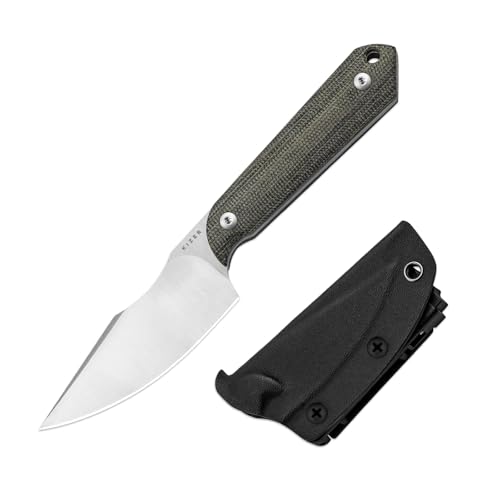
The Kizer Mini Harpoon emphasizes portability with a compact 3-inch blade and a light overall weight. The blade material is listed as 1040SM2 in the product features, indicating a slightly different steel family from the D2 models, designed for a balance of toughness and edge retention. The Micarta handle provides a secure grip, and the contoured shape supports four-finger comfort. The knife is designed for everyday carry and close-quarters tasks, while the smaller size makes it ideal as a backup blade or an ultralight option for hikers and urban multitaskers.
Material selection for a small EDC like this often prioritizes weight and ease of sharpening. While 1040-series steels are typically tougher and easier to sharpen, edge retention may be lower than high-alloy options like D2. Maintenance remains important—keep the blade dry, clean, and lightly oiled to prevent corrosion, especially in damp environments. The Mini Harpoon offers a compact, capable, and portable option for users who want a secondary blade that travels light without compromising primary tasks.
Buying Guide
Key considerations when selecting blade material
- Edge retention vs. corrosion resistance: High-carbon steels like D2 and 440C excel at edge retention but require regular drying and lubrication in wet environments. Stainless alternatives such as AUS-10 and 10Cr15CoMoV balance corrosion resistance with good edge life but may require more frequent sharpening to keep a razor edge.
- Maintenance needs: D2 and some high-carbon tools benefit from routine maintenance to prevent rust. Stainless steels reduce maintenance but can dull faster if not properly cared for. Choose a steel that matches your willingness to maintain the blade in the field.
- Handle and ergonomics: G10, Micarta, and reinforced glass-fiber handles influence grip security and comfort, especially in wet or cold conditions. A well-balanced fixed blade improves control for precise cuts and safety during prolonged use.
- Intended environment: Humid, coastal, or salt-heavy environments demand corrosion-resistant steels. In dry environments, tougher steels like D2 hold up well under heavy use, while lighter blades can be swapped in for everyday carry.
- Size, weight, and carry: Fixed blades with shorter blades and lighter weights are easier to carry and pull from a sheath quickly. Heavier blades offer more chopping power but require more space and attention during carry.
Steels at a glance
- D2: Excellent wear resistance and edge retention; best for heavy use but relatively less corrosion-resistant; requires maintenance in humid conditions.
- 10Cr15CoMoV: Balanced steel with decent corrosion resistance and good edge life; easier to sharpen and maintain than high-carbon steels.
- AUS-10: Stainless steel with good corrosion resistance and reasonable edge retention; widely available and forgiving in maintenance.
- 440C: Classic stainless steel with solid corrosion resistance and reliable edge retention; mid-range performance overall.
- 1040SM2: Tough, easy to sharpen; may trade some edge retention for weight and flexibility; suitable for ultralight configurations.
Practical comparisons for common use cases
- Urban everyday carry: Favor stainless steels like AUS-10 or 10Cr15CoMoV for minimal rust risk and easier upkeep.
- Backcountry and camping: D2 and 440C offer robust edge retention for wood processing and food tasks, with appropriate maintenance in humid climates.
- Survival scenarios: High wear resistance is valuable, but ensure you’re prepared to keep the blade dry and clean to prevent corrosion.
- Maintenance commitment: If you prefer low maintenance, choose stainless steel with a robust sheath system to protect the blade when not in use.
In summary, blade material choice hinges on your environment, maintenance willingness, and typical tasks. D2-based blades excel in toughness and edge life; 10Cr15CoMoV and AUS-10 offer balanced performance with more forgiving maintenance; 440C remains a reliable stainless option for general use. The best choice aligns with your daily routine, climate, and how much effort you’re willing to invest in blade care.