Best Baseboard Saw for Flooring: Top Saws and Accessories for Clean Installations
Choosing the right baseboard saw and associated tools can streamline flooring installations and deliver cleaner transitions. Below is a curated selection of five versatile options that tackle flush cuts, precise angles, and durable cutting across hardwoods, laminates, and composites. The table summarizes key details to help compare features at a glance.
| Product | Brand | Primary Use |
|---|---|---|
| HAUTMEC 10″ Reversible Dovetail Saw | HAUTMEC | Flush cuts around jambs and trim |
| SKIL 3601-02 Flooring Saw | Skil | Cross, miter, and rip cuts for flooring |
| RYOBI 18V ONE+ 5-1/2″ Flooring Saw | RYOBI | Miter, rip, crosscuts on LVT and hardwoods |
| Mitre Box And Saw Set – Wonglea | Wonglea | 45°/90° cuts for molding and baseboard |
| MARSHALLTOWN QLT Door Jamb Saw | MARSHALLTOWN | Door jamb trimming for tile and thicker flooring |
HAUTMEC 10″ Reversible Dovetail Saw

The HAUTMEC HT0234 is designed for precise flush cuts around floor jambs and trim. Its reversible blade allows easy left- or right-handed operation, which is especially helpful when working in tight corners or around obstacles near baseboards. An offset cranked handle provides clearance for flush installations against tile, vinyl, or laminate flooring, improving control in constrained spaces. A rigid carbon steel back supports straight, stable cuts across hardwoods and composites, helping maintain alignment during heavy-duty trimming.
SKIL 3601-02 Flooring Saw
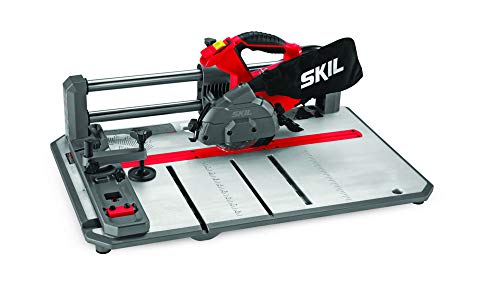
The SKIL 3601-02 Flooring Saw is a dedicated flooring tool capable of cross, miter, and rip cuts. It accommodates solid, engineered, and laminate flooring with a lightweight design for easy transport and on-site use. This versatility makes it a solid option for installers who require a single tool to handle multiple cut types as baseboard channels and transitions are prepared for flooring edges.
RYOBI 18V ONE+ 5-1/2″ Flooring Saw

RYOBI’s 18V ONE+ Flooring Saw delivers cordless flexibility for on-site flooring tasks. It handles miter, rip, and crosscuts on LVT, laminates, and hardwoods with fast, clean results. The dust port is compatible with standard vacuum accessories, helping reduce debris while you install baseboards and trim around walls and door openings. Its balance and compact size support extended use without excessive fatigue.
Mitre Box And Saw Set – Wonglea

The Wonglea mitre box and saw set emphasizes precise 45° and 90° cuts for baseboard and molding projects. It includes a sturdy mitre box with a steel manual saw and a high-impact plastic handle, offering a compact, durable kit for trim work and door frames. This set is well-suited for precise corner joints and consistent trim alignment when boarding walls and floors.
MARSHALLTOWN QLT Door Jamb Saw

The MARSHALLTOWN QLT Door Jamb Saw is designed for cutting door jambs specifically to accommodate thicker flooring materials. It supports tile or thicker flooring installations by delivering precise jamb clearances and clean cuts around door frames. A soft-grip handle helps maintain control during longer trim sessions near wall transitions and baseboard intersections.
Buying Guide
- Cut type and versatility: Look for tools that handle a range of cuts (miters, crosscuts, rips) to minimize tool switching during baseboard installations.
- Flush-cut capability: For clean floor-to-baseboard joints, prioritize saws with features like offset handles or reversible blades to access tight corners.
- Electrical options: Corded saws offer consistent performance for longer jobs, while cordless models provide mobility in rooms without outlets or in multi-room projects.
- Blade type and durability: A rigid back or frame helps maintain straight cuts. Carbide-tipped blades and double-ground teeth generally yield longer-lasting sharpness and smoother finishes.
- Dust management: A dust port or vacuum compatibility keeps work areas cleaner and improves visibility in tight spaces near baseboards.
- Portability and weight: Lightweight designs reduce user fatigue on extended installations, especially when moving between rooms or floors.
- Compatibility with flooring types: Ensure the tool can handle solid hardwood, engineered wood, laminate, vinyl, and tile where baseboards meet transoms and thresholds.
- Accessory ecosystem: Consider mitre boxes, additional blades, and guides that expand the tool’s usability across molding, trim, and door jamb work.
- Safety: Features like locking blades, soft-grip handles, and safety switches contribute to safer operation in tight workspaces.
- Price-to-value balance: A higher upfront cost may be justified by accuracy, durability, and time savings on challenging trim jobs.
In summary, the right baseboard saw or complementary cutting tool should deliver precise flush cuts, support multiple flooring materials, and offer ergonomic handling for efficient installation. The featured options provide a mix of fixed mitre solutions, cordless flexibility, and dedicated flooring saws to cover common baseboard and trim scenarios in American homes.