Best Adhesives for Bonding Foam to Metal: Strong, Quick, Durable
Bonding foam to metal presents unique challenges. Foam can be porous, delicate, or prone to chemical interaction with certain solvents, so selecting an adhesive that offers good tack, strong adhesion, and compatibility with both materials is essential. The following picks emphasize spray and epoxy options from trusted brands, balanced for easy application, reasonable cure times, and reliability in American workshops and hobbies. Use this quick guide to compare options for lightweight assemblies, craft projects, or small repair jobs where foam must join metal securely.
| Product | Brand | Ideal For | Key Benefit |
|---|---|---|---|
| 3M Super 77 Multi-Surface Spr Adhesive | 3M | Foam, metal, foil, paper | Fast-drying, low VOC, broad substrate compatibility |
| 3M Hi-Strength 94 ET Spray Adhesive | 3M | Foam, wood, metal, fabric, foam-backed laminates | Long open time with strong tack for large laminations |
| 3M Super 77 Multipurpose Permanent Spr Adhesive | 3M | Foam, paper, fabric, plastic, metal | Industrial strength tack with fast bonding |
| 3M Hi-Strength 90 Spray Adhesive | 3M | Foam, rubber, metal, plastic | Devastatingly fast quick-repositioning and clear dry |
| Vicpricme Metal Glue 1.76 oz Epoxy | Vicpricme | Metals, plastics, ceramics | High durability, heat and chemical resistance |
3M Super 77 Multi-Surface Adhesive

3M Super 77 is a versatile spray adhesive designed for low-VOC, fast-bonding applications across a wide range of materials, including foam and metal. The product is marketed for light-duty materials such as foils, papers, cardboard, fabric, insulation, and leather, with a quick-dry time that helps streamline assembly or repair work. This makes it suitable for bonding foam padding to thin metal sheets or attaching decorative foam pieces to metal frameworks without excessive solvent exposure.
Its expansion in use beyond paper and fabric is complemented by a clear finish, making it an unobtrusive choice for visible edges. When applying, use in a well-ventilated space and apply an even, light coat to both surfaces for a uniform bond. Avoid saturating soft foams that may crumble under heavy solvent exposure; for larger foam parts, test a small area first to ensure compatibility and adhesion strength over time.
3M Hi-Strength 94 ET Spray Adhesive

The 94 ET formula by 3M is described as carb and SCAQMD compliant with GREENGUARD certification, aligning with LEED-focused projects and eco-conscious environments. It offers longer open time and stronger initial tack than comparable products, making it a strong candidate for larger assemblies that pair foam with metal in applications such as wooden frames, signage, or light metal fabrication. It is suitable for foam-backed laminations, where a steady initial bond helps ensure precise alignment before full cure.
In practice, this adhesive balances performance with environmental considerations, though application requires ventilation due to spray exposure. For foam-to-metal bonding, plan for a measured spray pattern and allow adequate ventilation while the bond gains strength. The product’s compatibility with a wide material set can reduce the need for gluing multiple component types separately, streamlining production or repair workflows.
3M Super 77 Multipurpose Permanent Spray Adhesive
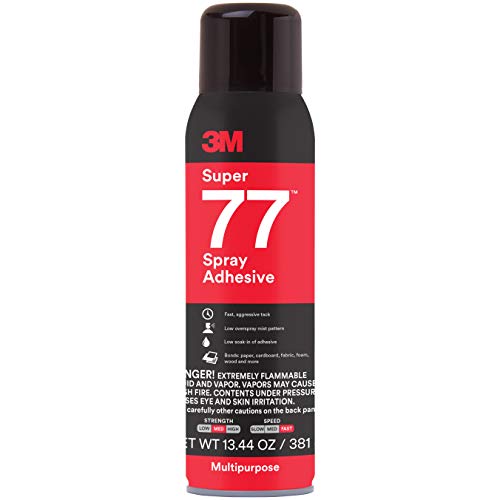
3M’s Super 77 Multipurpose is described as an industrial-grade spray adhesive designed to bond a broad spectrum of lightweight materials — including foam, paper, cardboard, fabric, insulation, plastic, metal, wood, and even fiberglass textiles. The tack is aggressive, enabling quick bonds to keep foam pieces in place while securing to metal components. Its versatility makes it useful for crafts, props, signage, and basic repairs where a fast, reliable bond is needed without long cure times.
As with other spray products, ensure an even coat and avoid oversaturation of foam, which can lead to deformation or warping. Use in a ventilated area and test the bond on a small area first if working with delicate or moisture-sensitive foam types. The clear finish helps keep joints visually discreet on visible assemblies.
3M Hi-Strength Spray Adhesive 90

Hi-Strength 90 offers industrial strength performance with fast curing and the ability to reposition during the initial set. It’s compatible with a wide range of substrates including rubber, glass, metal, wood, foam, plastic, and cardboard, and it dries clear for discreet joints. For foam-to-metal bonding, this product can be particularly helpful when a precise initial placement is required, such as attaching foam trim to metal rails or lining components where visibility is a concern.
Practical use requires applying a light, even coat to both surfaces and allowing surface tack before joining. As with other adhesives in this category, avoid applying near heat sources during cure and ensure that the foam type is compatible with spray solvents to prevent collapse or discoloration. The product’s quick-dry nature can speed up production timelines in workshop settings or DIY projects alike.
Vicpricme Metal Glue Epoxy 1.76 oz

Vicpricme Metal Glue is an epoxy-based adhesive designed for heavy-duty metal bonding and a broad range of materials, including plastics and ceramics. The product emphasizes strong, durable bonds with high temperature and oil resistance, making it suitable for automotive, marine, and industrial repairs. The 1.76-ounce packaging with a fixed 1:1 syringe ensures precise mixing and repeatable results, which helps when bonding metal to metal or to compatible plastics in demanding applications.
When bonding foam to metal, consider whether the epoxy’s solvent content may affect foam integrity. Epoxies often require careful surface preparation and clamping during cure to prevent gaps, but they deliver robust, long-lasting joins when used on metal surfaces with compatible foam or plastic substrates. Cure times can vary; plan for a full cure cycle and ensure adequate ventilation during mixing and application.
Vicpricme Metal Glue 1.76 oz (Alternative Metal Glue)

This product variant emphasizes heavy-duty epoxy performance for metals, with strong adhesion to aluminum, steel, and other metals, as well as some plastics. It’s designed for environments where metal-to-metal joins must withstand heat and water exposure, offering durability in applications from automotive repairs to home improvement projects. While focused on metal bonding, its formulation can be suitable for certain foam-to-metal scenarios when the foam is compatible with epoxy chemistry and surface preparation is thorough.
Users should plan for mixing accuracy, surface cleaning, and clamping to optimize bond quality. Epoxies like this one can form very robust bonds, but they require attention to cure time and environmental conditions to prevent warping or misalignment of foam components during curing.
Buying Guide
Choosing the best adhesive for foam-to-metal bonding depends on the specific project and material details. The following considerations help compare options and determine the right fit:
- Bonding mechanism: Spray adhesives give fast, easy bonds for lightweight parts, while epoxies offer high-strength, long-term durability for metal-to-metal or rigid assemblies.
- Foam type compatibility: Open-cell vs closed-cell foams respond differently to solvents. Test a small area to confirm that the foam maintains its integrity and does not crumble or melt.
- Open time and repositioning: If alignment is critical, prefer adhesives with longer open time (like 94 ET) to allow precise placement before the bond sets.
- Durability under use: For parts exposed to heat, moisture, or oil, choose products with high resistance and robust bonding to metal and compatible substrates.
- Application method: Sprays are convenient for large or irregular surfaces; epoxies work well for precise, controlled applications, especially where a strong, gap-filling bond is needed.
- VOC content and safety: Low-VOC options reduce odors and exposure; ensure proper ventilation and use protective equipment as recommended by the manufacturer.
- Surface preparation: Clean surfaces, remove contaminants, and, for metals, roughen slightly if the adhesive requires mechanical bonding for better adhesion.
- Brand reliability and availability: Products from trusted brands like 3M offer consistent performance and easier replacement parts or support when needed.
For foam-to-metal projects, a practical approach is to choose a versatile spray adhesive for quick, low-profile bonds on foam that will be in contact with metal, and reserve a tuned epoxy for critical joints or exposed areas where stronger strength is required. Always follow the manufacturer’s application guidelines and test compatibility with your specific foam type before committing to production runs.