Best Shoe Molding Nail Gun for Trim and Molding Projects
Choosing the right finish nailer for shoe molding, chair rails, trim, and cabinetry can improve accuracy and reduce surface damage. This guide highlights five reliable options, detailing their strengths for molding tasks, from compact cordless models to durable pneumatic finish nailers. Each product is evaluated for nail compatibility, depth control, ease of use, and overall value to help builders and DIY enthusiasts select a tool that delivers clean, precise results on finished surfaces.
| Product | Brand | Nail Type / Size | Key Benefit |
|---|---|---|---|
| Metabo HPT NT65M2S | Metabo HPT | 16 Gauge Finish Nails, 1″–2½” | Lightweight, selective actuation, reliable finish nails for molding |
| Worx WX842L | WORX | 18GA Brad Nails up to 2″ | Cordless freedom with PowerShare batteries and fast firing |
| Arrow PT18G | Arrow Fastener | 18GA Brad Nails | Compact pneumatic option with easy jam release |
| Master Mechanic 4-in-1 | Master Mechanic | 18G Brad Nails and narrow crown staples | Versatile tool for flooring, trim, and cabinet backing |
| NEU MASTER 18GA | NEU MASTER | 18GA Brad Nails | Cordless with depth control and dual-cylinder system |
Metabo HPT Finish Nailer NT65M2S

The NT65M2S from Metabo HPT is a lightweight 16-gauge finish nailer designed for detailed molding work, including shoe molding, chair rails, and cabinetry. It accepts nails from 1 inch to 2-1/2 inches, enabling precise fastener placement for varying molding profiles. A selective actuation switch allows easy toggling between bump and sequential firing modes, improving control in delicate trim work. The tool balances compact form with robust performance, helping avoid denting thin molding while delivering clean, professional results.
Worx Nitro 20V 18GA Brad Nailer WX842L

The Worx WX842L combines cordless convenience with a compact 18-gauge brad nailer design, ideal for trimming and molding tasks where a small footprint is beneficial. It fires brads up to 2 inches and uses the PowerShare battery system, allowing reuse of the same battery across Worx tools. A rapid-fire rate supports efficient work on longer trim runs, while the tool-free jam release simplifies clearing jams, reducing downtime on job sites with intricate moldings.
Arrow PT18G Gauge Oil-Free Pneumatic Brad Nailer

The Arrow PT18G is a compact pneumatic 18-gauge brad nailer suited for small trim tasks and cabinet work. It operates up to 100 psi and accepts a range of brad nails, making it versatile for molding and light carpentry. A tool-free jam release helps maintain workflow, while the oil-free design reduces maintenance and mess on job sites where clean finishes are essential.
Master Mechanic 4-in-1 Mini Pneumatic Nailer
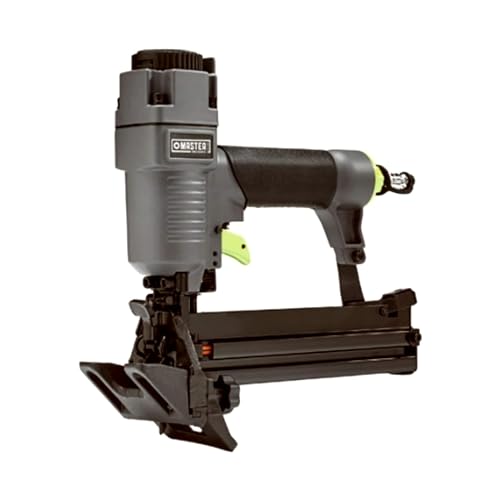
The Master Mechanic 4-in-1 provides versatility for trim, crown molding, backing, and light flooring. It transitions between a pneumatic flooring nailer and an 18-gauge brad nailer, handling nails up to 1.63 inches and narrow crown staples up to 1.63 inches. Features like a quick-release nose for jam clearing, tool-free depth adjustment, and a reload indicator support efficient, precise finish work on shoe molding and cabinetry projects.
NEU MASTER 18GA Cordless Nail Gun

The NEU MASTER 18-gauge cordless nailer emphasizes portability and consistent firing power, powered by a 20V battery. It offers advanced features such as a dual-cylinder system for steady nailing depth and a low nail dry-fire lockout to protect delicate trim. With a depth adjustment and compatibility with common 18-gauge brads, it suits trim and molding tasks while providing freedom from hoses and compressors.
Buying Guide: Key Purchase Considerations
- Project type and nail gauge: For shoe molding and fine trim, 16- to 18-gauge finish or brad nails are common. Choose a tool that supports your preferred nail size range without creating visible nail heads in delicate trim.
- Power source: Pneumatic nailers require an air compressor; cordless models offer portability but may have shorter battery life for large projects. Consider how you work and whether mobility matters most.
- Depth control and firing mode: Depth adjustment ensures nails sit flush with molding. Some tools offer sequential and bump fire modes for precision and speed, which matters in tight trim work.
- Jam clearance and maintenance: Tool-free jam release and easy access to the nose help maintain workflow, especially on intricate profiles.
- Weight and balance: Lighter tools reduce user fatigue on long molding runs. A well-balanced head helps with accuracy at chair rails and small moldings.
- Accessory compatibility: Check compatible nails and base plates, especially if you also work with flooring or cabinet backing. A versatile tool can cover multiple tasks in a single kit.
- Durability and warranty: Finishing nails are used on visible surfaces; invest in a tool with solid construction and a favorable warranty to ensure longevity on finishes.
When selecting a shoe molding nail gun, weigh the trade-offs between cordless convenience and the consistent power of pneumatic tools. For smaller jobs and tight spaces, a compact 18-gauge brad nailer can deliver clean, barely-visible fasteners. For larger trim runs or cabinetry backing, a 16-gauge finish nailer provides stronger holding power with appropriate depth control. The right combination depends on your typical workspace, project scale, and whether you value portability or continuous high output.
All listed models are suitable for molding and trim work, offering various configurations to fit different workstyles. Manufacturers provide a mix of depth adjustability, jam clearance, and ergonomic features designed to help you install shoe moldings, baseboards, and trim with precision and efficiency.
Additional Considerations
- Storage and handling: Keep nails organized and stored to prevent rust and corrosion, especially in humid environments that affect trim work appearance.
- Finish quality: Choose low-profile nails or nails designed for minimal predrilling to avoid splitting soft wood moldings and achieving cleaner seams.
- Safety and training: Follow tool safety guidelines, especially when using pneumatic models, to prevent accidental discharge and injury during detailed moldings.