Best Wood Filler for White Oak: Top Picks for Repairs
White oak is known for its strong grain and durability, but repairing imperfections requires a filler that matches its color, dries smoothly, and accepts stains or finishes consistently. The following five products are well-suited for white oak projects, offering a range of formulas from water-based to ready-to-use putties. Each option prioritizes adhesion, minimal shrinking, and the ability to blend with oak finishes. The selections cover interior repairs on furniture, cabinetry, floors, and trim, ensuring you can find a filler that aligns with your project timeline and finish goals.
| Product | Brand | Size | Type | Key Benefit |
|---|---|---|---|---|
| Goodfilla White Oak Filler 8 oz | Goodfilla | 8 oz | Water-based | Non-shrinking, stainable, reconstitutes with water |
| Goodfilla Water-Based White Oak Filler 1 Quart | Goodfilla | 1 Quart | Water-based, trowel-ready | Paintable, stainable, sandable; quick drying |
| Timbermate White Oak Filler 8 Oz | Timbermate | 8 oz | Water-based | Easy preparation; fast drying; versatile for interior repairs |
| Woodwise White Oak Wood Patch Filler Quart | Woodwise | Quart | Pre-mixed patch filler | Takes stain like hardwood; bonds tightly; sands easily |
| Gorilla White Wood Filler 6 oz | GORILLA | 6 oz | Water-based | Water resistant; indoor/outdoor use; natural finish |
The following five Amazon offerings are highlighted for white oak projects, each bringing a distinct advantage—from professional-grade, trowel-ready formulas to ready-to-use patch fillers. Review the product features and consider your project’s drying time, finish compatibility, and environmental preferences when selecting a filler for your white oak repairs.
Goodfilla White Oak Filler 8 oz

Goodfilla White Oak Filler is a high-quality, water-based option designed for professional woodworkers and DIYers alike. It resists shrinking, sinking, and cracking, providing a reliable one-step application that accepts any finish or stain. The filler can be tinted or dyed with pigments, allowing precise color matching to white oak grain. It dries to a hard, sandable surface and reconstitutes with water for extended usability, even after partial use. The product’s non-toxic, zero-waste design adds appeal for home projects and spaces with sensitive occupants. Its freeze-thaw stability helps prevent waste due to environmental changes, making it a practical choice for ongoing oak repairs.
- High quality & money saving: does not shrink, sink, or crack; excellent adhesion; one application; accepts any finish or stain; can be mixed with pigment, tint, stain, or dye.
- Designed for professionals: water-based filler noted for ease of use by DIYers and pros alike.
- Hardy & consistent: reconstitutes with water; unlimited shelf life; freeze-thaw stable.
Goodfilla Water-Based White Oak Filler 1 Quart

This quarter-gallon, trowel-ready filler from Goodfilla emphasizes water-based performance and user-friendliness. Marketed as the only water-based, non-latex/acrylic, trowel-ready option, it is attractive to professional woodworkers seeking durability and reliability in oak repairs. The formula dries quickly, sands smoothly, and accepts stains and finishes well. It is designed for both professionals and DIYers, with a long shelf life due to its water-rehydration properties. The finish flexibility makes it suitable for cabinets, floors, and trim where precise oak color matching is essential. It also aligns with green-building expectations through lower odor and fewer VOC concerns.
- Water-based, non-latex/acrylic, trowel-ready filler
- Paintable, stainable, sandable; quick drying
- Designed for professionals and DIYers; unlimited shelf life; reconstitutes with water
- Zero VOC and zero waste options, non-toxic (green product)
Timbermate White Oak Filler 8 Oz

Timbermate White Oak Filler is a versatile option noted for easy preparation and interior repair versatility. It’s suitable for a range of oak applications, including edge repairs on furniture and cabinetry. The product dries quickly, helping to accelerate project timelines when working with white oak. Its performance is rooted in a simple, user-friendly formula that fills cavities while enabling smooth sanding and finishing. The filler’s compatibility with various stains makes it a practical choice for projects where oak grain texture needs to be preserved and highlighted after repair.
- Easy preparation; versatile for interior repairs, including edges
- Fast drying
Woodwise White Oak Wood Patch Filler Quart
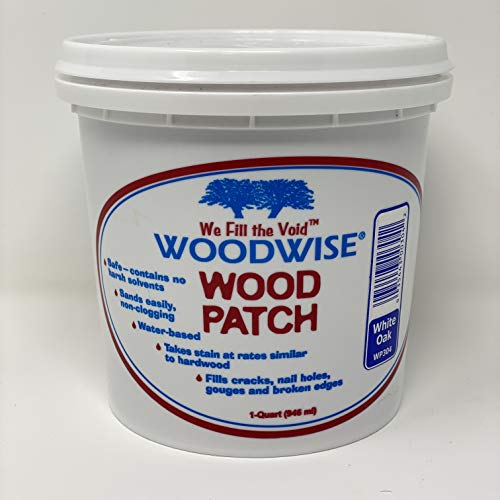
Woodwise White Oak Wood Patch Filler is a pre-mixed, ready-to-use option designed to take stains like hardwood. Its bond is described as tight, and it sands easily, facilitating a smooth, fade-free repair that blends with the surrounding oak grain. Ideal for patching smaller gaps, nail holes, or minor gouges on white oak surfaces, this filler offers predictable color behavior and straightforward application. Being quart-sized, it suits mid-size projects or multiple repairs across larger oak installations. The ease of use makes it a popular choice for DIYers who want reliable results without complex mixing steps.
- Pre-mixed ready to use
- Takes stain like hardwood
- Bonds tightly and sands easily
Gorilla White Wood Filler 6 oz

Gorilla White Wood Filler is designed for strong, water-resistant repairs on cracks, gouges, and holes, suitable for indoor or outdoor applications. The formula enables a natural finish with easy spreading and leveling, making it a practical choice for white oak projects that may be exposed to moisture. Its resilience against shrinking and cracking helps maintain structural integrity over time. While primarily an all-purpose filler, its applicability to exterior and interior white oak repairs makes it a flexible option for homeowners and professionals alike. The emphasis on a smooth, natural finish supports oak grain visibility post-repair.
- Water resistant; indoor or outdoor use
- Natural finish; easy to spread for a smooth look
- Does not shrink or crack; suitable for diverse oak projects
Buying Guide
Choosing the right wood filler for white oak hinges on compatibility with oak’s color and grain, the project environment, and the finish you plan to apply. Here are key considerations to help you select the best option for your needs.
- Filler type and base: Water-based fillers are popular for white oak due to low odor, easy cleanup, and good finish acceptance. Oil-based or solvent-based fillers can provide tougher repairs in high-wear areas but may require more ventilation and longer curing times.
- Color matching and tinting: White oak requires fillers that can be tinted or that closely match the natural light amber to warm tones of oak. Consider products that offer pigment compatibility or ready color matches.
- Drying time and sanding: Projects with large repairs benefit from faster drying but ensure the filler sands smoothly without pulling grain. Check whether the product remains workable after initial drying for feathering and blending.
- Finish compatibility: Ensure the filler accepts stains, clear coats, or paints you plan to apply. Some fillers can be stained like surrounding wood, while others may require primer or sealing first.
- Adhesion and shrinkage resistance: A good oak filler should adhere well to oak, resist cracking, and minimize shrinkage as it cures. This helps maintain alignment with adjacent grain patterns.
- Reworkability: Some water-based fillers reconstitute with water, enabling rework if you need to extend usage or adjust color, which reduces waste and cost.
- Application method: Trowel-ready products suit larger repairs, while pre-mixed patches are helpful for small holes and nail holes. Consider your comfort level with mixing and feathering edges.
- Finish type and exposure: For outdoor projects or areas with moisture exposure, choose a filler designed for water resistance and compatibility with exterior finishes.
- VOC and environmental impact: Green or low-VOC options are preferable for indoor work and projects aimed at reducing environmental impact.
When selecting a filler, balance the speed of application with the desired finish quality. For white oak, the priority is usually minimal grain disruption and color match, so a filler that sands smoothly, accepts stains well, and remains stable under environmental changes tends to deliver the most durable results. Always conduct a small test on a scrap piece of white oak or an inconspicuous area before proceeding with the full repair.