Best Rain Sensor for Sprinkler System: Top Picks for Water Savings
Smart irrigation starts with a reliable rain sensor. Detecting rainfall and freezing conditions helps pause sprinkler systems, reducing water waste and runoff while protecting landscape health. Modern sensors come in wired and wireless options, with adjustable rain thresholds, easy mounting, and weatherproof housings for American lawns and gardens. This guide highlights five dependable rain sensors that work with common sprinkler controllers and explains how to choose the right one for your setup.
Below is a quick reference table of the chosen models to compare core capabilities at a glance, followed by detailed notes on each product’s strengths and typical use cases. This overview helps you decide between wired reliability, wireless convenience, freezing protection, and easy installation.
| Product | Brand | Connectivity | Key Benefit |
|---|---|---|---|
| Orbit 57069N Rain And Freeze Sensor | Orbit | Wired | Detects rainfall and freezing, with weather-resistant wiring; disks expand when wet to suspend watering |
| Rain Bird CPRSDBEX Wired Rain Sensor | Rain Bird | Wired | Adjustable rainfall settings (1/8″–3/4″); vent ring helps sensor dry after moisture |
| Rain Bird Wireless Rain And Freeze Sensor System | Rain Bird | Wireless | Shuts off irrigation on rain or freeze; intuitive, icon-driven interface; saves water |
| Hunter Sprinkler MINICLIK Rain Sensor | Hunter | Wired | Easy installation; stops irrigation when rain is detected; resumes after storm |
| Hunter Rain-Click Rain Sensor | Hunter | Hardwired | Quick Response technology; can mount on eave or wall; gutter-mount option |
Orbit 57069N Rain And Freeze Sensor
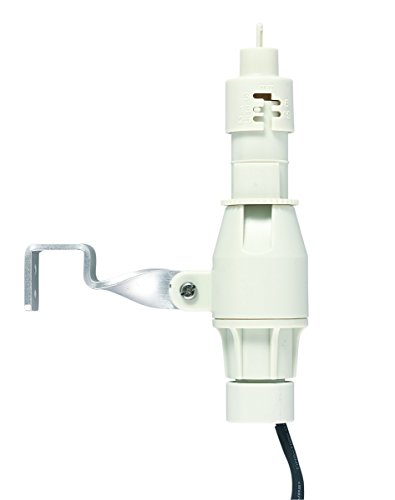
The Orbit 57069N sensor focuses on reliability through a wired connection between your irrigation controller and the sensor head. Its Weather-resistant wire runs from the controller to an outdoor mounting point, such as an eave, making installation straightforward for most homes. The device uses water-absorbing disks that expand when wet, signaling the controller to suspend watering during rainfall. This approach minimizes runoff and overwatering in wet weather and helps protect landscape beds from unnecessary irrigation. The setup is well-suited for fixed, older zones where wireless may be impractical.
In practical terms, the Orbit 57069N is a solid choice when you want a simple, durable, non-battery-based sensor. There are no batteries to replace, and its sensing mechanism is designed to respond to rain and cold conditions without requiring daily calibration. For homeowners who prefer a low-maintenance, proven wired solution that integrates with standard controllers, Orbit delivers dependable performance in most climates. Durability in exposed outdoor locations is a notable advantage, especially on taller homes or shaded yards where weather exposure is common.
Rain Bird CPRSDBEX Wired Rain Sensor

The Rain Bird CPRSDBEX is a wired rain sensor designed for reliable, straightforward control of irrigation schedules. Its wired connection provides consistent performance without the interference concerns common to wireless devices. A standout feature is the adjustable rainfall setting on the dial, allowing you to tailor when watering should pause—ranging from light showers to heavy rainfall. The side vent ring helps the sensor dry after it encounters moisture, reducing the risk of false triggers and improving long-term accuracy. It’s a practical choice for retrofit installations and newer controller setups alike.
Adjustability matters for landscapes with variable microclimates or seasonal rainfall patterns. With a range from 1/8″ to 3/4″, the CPRSDBEX covers many regional needs, from desert zones to humid regions. The wired design minimizes maintenance, though it requires more careful wiring during installation. For users who prioritize precise, user-defined thresholds and a robust, time-tested brand, this Rain Bird model offers strong value in a durable package.
Rain Bird Wireless Rain And Freeze Sensor System
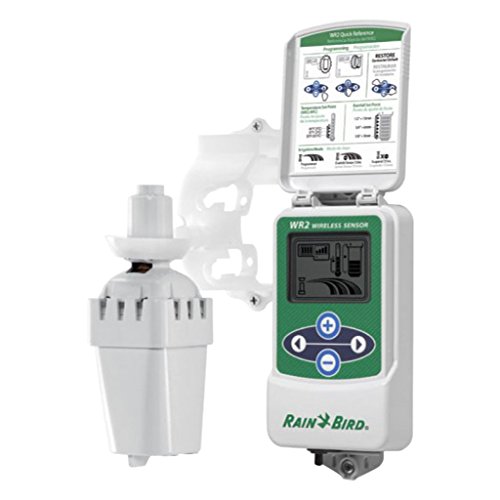
The Rain Bird Wireless Rain And Freeze Sensor System provides a wireless solution with a dedicated controller interface and a sensor, enabling quick installations without running extensive wiring. It can deliver noticeable water savings by automatically shutting off irrigation during rain events or when temperatures fall below a preset point, helping protect plant material and conserve resources. The included icon-driven interface simplifies setup and daily adjustments, which is especially helpful for homeowners who want to fine-tune thresholds without dealing with complex menus on older controllers.
Key capabilities include adjustable rainfall thresholds from 1/8 inch to 1/2 inch and low-temperature settings from 33 to 41 degrees Fahrenheit. This makes it a versatile option for climates with regular spring rains and occasional frost. While wireless setups offer convenience, they require stable signal and occasional battery management in some configurations. For households seeking a modern, easy-to-program, rain- and freeze-aware sensor, this Rain Bird system provides a compelling balance of ease and effectiveness.
Hunter Sprinkler MINICLIK Rain Sensor

The Hunter MINICLIK Rain Sensor emphasizes ease of installation and straightforward operation. It is designed to attach to many automatic irrigation systems without complicated wiring, making it a practical option for DIY installations. When rainfall reaches a pre-set level, the MINICLIK stops scheduled irrigation, helping reduce water use during wet periods. After the rain ends, the sensor signals the controller to resume normal watering, preserving the original schedule while protecting the landscape during unexpected showers. It’s a simple, reliable choice for most residential setups.
Installation flexibility is one of its key strengths. The MINICLIK is intended for quick integration with existing controllers and irrigation zones, with a straightforward mounting approach that minimizes disruption to established layouts. Homeowners who want a no-fuss sensor that delivers predictable pauses during rainfall will find this model aligns well with standard sprinkler systems. Its reliability is enhanced by Hunter’s broader ecosystem of compatible irrigation products, which can simplify future upgrades or controller changes.
Hunter Rain-Click Rain Sensor

The Hunter Rain-Click offers Quick Response technology, designed to command a controller to shut off at the moment rain begins. This rapid response helps prevent overwatering during early or unexpected showers. The Rain-Click can be mounted on an eave or any flat vertical surface like a wall or fence, expanding placement options and keeping the sensor out of direct mower spray. A gutter-mount option is available for edge installations, which can simplify integration on homes with complex rooflines. For users who want fast, decisive rain-triggered irrigation control, this model is a strong fit.
As with other wired solutions, the Rain-Click emphasizes reliability through a solid physical connection to the controller. Its mounting flexibility makes it suitable for a variety of homes, including second-story layouts or narrow patios where space is at a premium. While it lacks some of the advanced weather-integration features found in higher-end wireless kits, its straightforward operation and proven performance in rain-triggered shutoffs make it a dependable choice for many homeowners seeking a proactive irrigation pause when rain is detected.
Buying Guide
Choosing the right rain sensor involves weighing how you prefer to manage irrigation, your landscape’s needs, and how much wiring you’re willing to install. Here are key purchase considerations and practical guidance to help you compare models across wired and wireless options, rain thresholds, and freeze protection.
- Sensor Type: Wired sensors like Orbit 57069N and Rain Bird CPRSDBEX tend to offer rock-solid reliability with minimal interference, making them ideal for fixed installations. Wireless systems, such as Rain Bird’s wireless kit, provide easier setup on existing controllers and can be advantageous when running wiring is impractical.
- Rainfall Threshold Range: Look for a sensor with an adjustable threshold or a clearly defined fixed range. A wider range (from light showers to heavy rain) gives you flexibility for seasonal changes and climate differences. Some models offer 1/8″ increments up to 1/2″ or more, enabling precise pauses in watering.
- Temperature and Freeze Protection: If you experience freezing temperatures, a sensor with freeze detection or freeze shutoff features can prevent damage to irrigation lines and plants. Not all models include this capability, so verify whether rain-only or rain-and-freeze sensing is your priority.
- Installation and Mounting: Consider whether you want a sensor that mounts on an eave, wall, or an exposed outdoor location. Wired sensors require routing between the controller and sensor; wireless units typically need a clear radio link. Mounting flexibility can simplify placement in tight spaces or on multi-level homes.
- Compatibility and Controller Interface: Ensure the sensor is compatible with your sprinkler controller brand and model. Some sensors are designed for seamless work with specific brands, while others offer universal compatibility through standard input connections or interfaces.
- Durability and Weatherproofing: Outdoor sensors must withstand sun, wind, rain, and temperature swings. Look for sensors with sealed enclosures and weatherproof connectors to reduce maintenance over time.
- Maintenance: Sensors with exposed moving parts or vent rings may require periodic cleaning to maintain accuracy. Some models include features to dry the sensor after moisture exposure to prevent false readings.
- Budget and Warranty: Basic wired sensors tend to be budget-friendly, while feature-rich wireless systems or freeze-detection models can command higher prices. Check warranty terms for coverage on sensing accuracy and weatherproofing.
- Scalability: If you plan to expand irrigation zones or upgrade controllers, choose sensors that are easy to retrofit or upgrade without reworking major wiring.
In practice, most homeowners prioritize reliability, ease of installation, and clear sensing thresholds. If you want a simple, low-maintenance setup with minimal wiring, a wireless Rain and Freeze Sensor System can be attractive. If you’re retrofitting an existing wired controller setup, a dependable wired model like the CPRSDBEX or Orbit 57069N provides consistent performance with straightforward maintenance. For quick-response needs and versatile mounting, damp-proofed and easy-to-install Hunter Rain-Click or MINICLIK models are strong options. Consider your climate, lawn size, and controller compatibility to pick the best fit for your landscape.