Best Smart Thermostat for Rental Properties: Save Energy and Improve Comfort
Rental units benefit from thermostats that are energy efficient, easy to install, and simple for tenants to use. This guide spotlights five top options that balance reliability, remote management, and compatibility with common HVAC systems. Each model offers straightforward setup, scheduling features, and ongoing software upgrades to keep operations smooth for landlords and property managers. Read on to compare key strengths, installation considerations, and how these devices can reduce energy costs across multiple rental properties.
Below is a compact overview of the chosen models to help you quickly compare options before diving into in-depth product details.
| Product | Brand | Key Benefit | Estimated Savings |
|---|---|---|---|
| ecobee Smart Thermostat Essential | ecobee | Color touchscreen control, wide system compatibility | Up to 23% |
| ecobee Smart Thermostat Premium | ecobee | SmartSensor for rooms, air quality monitor | Up to 26% |
| Sensi Smart Thermostat (Emerson) | Emerson | Privacy protections, easy DIY install | About 23% |
| meross Smart Thermostat | meross | Works with Matter, broad system compatibility | Depends on usage |
| Google Nest Thermostat | Energy monitoring, occupancy sensing, compatibility checker | Depends on usage |
ecobee Smart Thermostat Essential

The Ecobee Smart Thermostat Essential is engineered for landlords seeking a straightforward energy-saving solution with broad thermostat compatibility. It carries ENERGY STAR certification and supports popular voice assistants, including Siri, Alexa, and Google Assistant, enabling tenants to adjust comfort without complicated steps. The device promises annual energy savings by aligning heating and cooling with a resident’s schedule, helping reduce waste when units are unoccupied. A color touchscreen provides intuitive control, while the Ecobee app enables remote adjustments and monitoring from anywhere. Software upgrades are included to keep features current over years of use.
In terms of system compatibility, Ecobee estimates support for about 85% of residential HVAC setups. Before installation, property managers can run the online Compatibility Checker to confirm whether the unit will work with a given system. This reduces the risk of erroneous purchases and installation delays on rental properties with diverse equipment. The Essential model is designed for easy DIY installation, and its simple wiring and guided prompts help minimize service calls. It’s a solid choice for properties that want reliable protection against energy waste without requiring a high upfront investment.
ecobee Smart Thermostat Premium
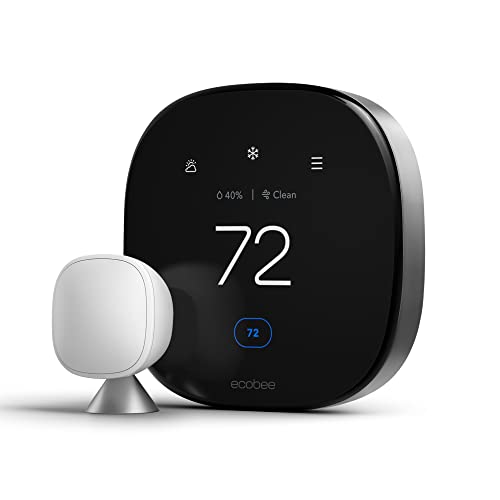
The ecobee Premium expands on the Essentials with a built-in air quality monitor and an included SmartSensor, a value often cited as a $50 feature. The SmartSensor helps target temperature in rooms that matter most, reducing hot or cold spots throughout rental units. This model is ENERGY STAR certified and emphasizes occupancy-based adjustments to maintain comfort while maximizing savings—often reaching up to 26% yearly. Its large, vibrant display and refined interface deliver a premium feel that tenants will appreciate, while the enhanced sensing capabilities help landlords keep properties at optimal comfort levels with less manual intervention.
Air quality awareness adds another layer for property management, offering alerts and tips to improve indoor conditions and a reminder to replace furnace filters. Occupancy sensing improves efficiency in common areas and vacant units, especially beneficial for multi-unit properties and short-term rentals. The design prioritizes durability and a modern aesthetic, which can align with newer units and help maintain tenant satisfaction across a portfolio.
ecobee Smart Thermostat Enhanced
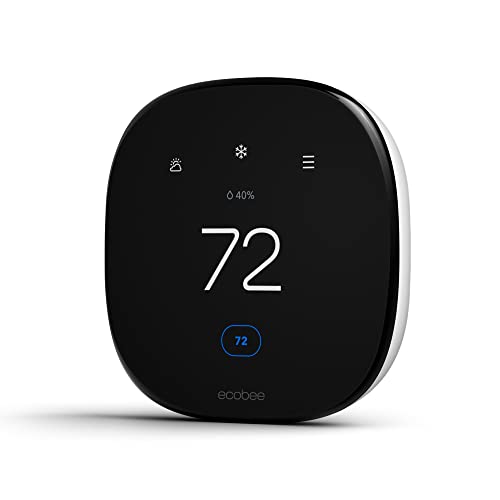
The Ecobee Enhanced model emphasizes intelligent cooling and heating behavior by automatically adjusting based on occupancy and time of day. It can preheat or precool your rental home so that the temperature is ideal the moment tenants arrive, eliminating the wait and improving perceived comfort. The thermostat adapts as occupants come and go, ensuring energy is not wasted when spaces are unoccupied. Humidity-aware adjustments further refine comfort in climates with fluctuating moisture levels. This model, like Ecobee’s other offerings, pairs seamlessly with Siri, Alexa, and Google Assistant, and continues to receive software updates to extend its usefulness in evolving smart-home ecosystems.
For property managers, the Enhanced variant delivers reliable performance with intuitive scheduling options, enabling flexible temperature programs across different units. The automatic adjustments help reduce calls from tenants due to uncomfortable temperatures, while the device’s integration with the Ecobee ecosystem provides a straightforward remote management channel for landlords monitoring multiple rental properties.
Sensi Smart Thermostat
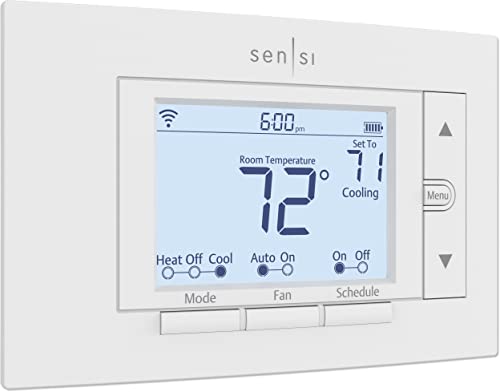
The Sensi Smart Thermostat from Emerson is positioned as a practical option for rental properties seeking privacy protections and an easy DIY installation. It’s designed to work with a wide range of HVAC equipment found in most homes and, in many installations, does not require a common wire (C-wire), simplifying wiring in older or less standard units. ENERGY STAR certified, Sensi emphasizes energy savings through flexible scheduling, remote access, and usage reports. The emphasis on privacy—Sensi states it won’t sell personal data to third parties—adds an important consideration for tenants who value data security and ownership of their device settings.
Landlords can deploy Sensi with confidence in many standard setups, minimizing on-site service calls. The product supports typical installation flows and prioritizes ease of use, which can help reduce tenant complaints about thermostat operation. While not as feature-rich as higher-end Ecobee models, Sensi delivers consistent performance and a straightforward path to energy savings and remote management across multiple units.
meross Smart Thermostat
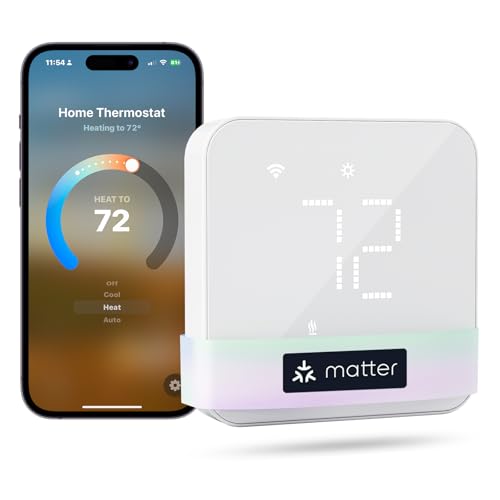
The Meross Smart Thermostat brings Matter compatibility into a budget-conscious rental property option. It lists broad compatibility, designed for 95% of HVAC systems, including conventional heating and cooling, heat pumps, and hybrids. A C-wire is required for proper operation, and Meross emphasizes availability of a dedicated support team for installations and issues. This model uses a 2.4GHz Wi-Fi connection for reliable control via the Meross app or voice assistants like Alexa and Google Assistant. It is a practical choice for properties updating to a more connected infrastructure while keeping costs manageable for landlords.
Prospective buyers should verify C-wire availability before purchase or consider a C-wire adapter if the system lacks one. For property portfolios with varied wiring schemes, Meross’s compatibility breadth can be appealing, but it’s important to confirm that the specific unit’s HVAC configuration aligns with Meross capabilities to prevent installation delays.
Google Nest Thermostat
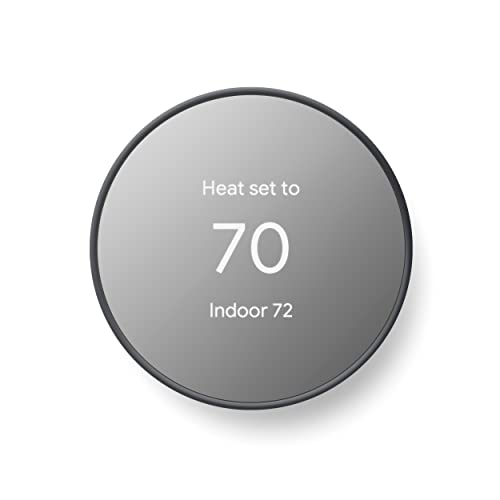
The Nest Thermostat emphasizes energy savings through intelligent learning and occupancy-based adjustments. ENERGY STAR certified, it connects to Wi-Fi for remote control and status monitoring. A notable feature is the ability to function without a C-wire in many homes, though some systems—such as heating-only, cooling-only, zone-controlled, or heat-pump configurations—may still require a C-wire or alternative power accessory. Nest also offers a Compatibility Checker to help property managers determine fit before purchase. The Nest Thermostat can adapt to tenancy patterns, turning itself down when spaces are empty to avoid unnecessary heating or cooling costs.
From a landlord perspective, Nest provides a balance of ease of use and proactive energy management. Its user-friendly interface and tenant familiarity with Google products can reduce onboarding friction. However, some properties with older or unique HVAC setups should run compatibility checks to ensure seamless operation, particularly where C-wires are scarce or alternative power options complicate installation.
Buying Guide
Choosing the right smart thermostat for rental properties involves evaluating installation practicality, compatibility, and ongoing energy savings. Here are core considerations to guide decisions across a portfolio of units.
- System compatibility and C-wire needs: Many modern thermostats perform best with a C-wire. Some units can operate without one, but compatibility varies by system design and heating/cooling configuration. Use compatibility tools offered by brands before purchase to avoid returns and delays.
- Energy savings potential: Landlords should prioritize models with proven energy-saving claims and occupancy-based features, which reduce waste in vacant or unoccupied spaces. Compare quoted savings and consider whether features like zoning, sensors, and eco-modes align with property layouts.
- Ease of installation and maintenance: DIY-friendly options reduce service calls but verify wiring and HVAC compatibility. In multi-unit buildings, consistent installation practices help streamline maintenance and tenant onboarding.
- Privacy and data handling: Some brands emphasize data privacy, which can reassure tenants. Review each model’s privacy policy and data-sharing statements, particularly in regions with strict data protection expectations.
- Voice assistants and smart home integration: Consider which ecosystems tenants use (Google Assistant, Alexa, Siri). Compatibility across properties ensures a uniform tenant experience and simplifies property-wide tech upgrades.
- Display quality and user experience: A clear display and intuitive controls improve tenant adoption and minimize calls about thermostat usage. Higher-end models offer richer interfaces and occupancy sensing that improve comfort quickly.
- Reliability and software updates: Look for devices with regular firmware updates and reliable customer support. Ongoing software enhancements can extend the useful life of a thermostat in rental properties.
Quick Comparison
For quick decision-making, landlords can consider a few concise trade-offs:
- Low upfront cost with solid energy savings: ecobee Essential, Sensi ST55
- Best for tenants who want sensors and air-quality awareness: ecobee Premium
- Top option for future-proofing with Matter support: meross
- Tenant-friendly with Google ecosystem familiarity: Google Nest