Best Residential Carbon Monoxide Detectors for Home Safety
Carbon monoxide is a silent, colorless threat that can put families at risk in minutes. Selecting a reliable residential CO detector is essential for everyday safety. This guide highlights five top detectors that balance ease of use, battery backups, and clear alerts. Designed for typical American homes, these models cover plug-in and battery-powered setups, plus some with helpful digital displays. The quick-reference table below compares power sources, standout features, and suitability to help you choose with confidence.
| Product | Power Source | Notable Feature |
|---|---|---|
| First Alert CO605 | Plug-in with Battery Backup | 85 dB alarm; electrochemical sensor |
| Kidde Battery Powered CO Alarm With LEDs | 2 AA Batteries | LED indicators; wall/table mounting |
| Kidde Plug-In Wall CO Detector With AA Backup | 120V Plug-in + AA backup | Test/Hush; 85 dB alarm |
| Kidde CO Detector With Digital Display | 120V Plug-in + 9V backup | Digital CO readout; “GAS” alert for explosive gas |
| VETOUCH Plug-In CO Detector With LCD | 110–240V AC | LCD with temperature and humidity; 85 dB alarm |
First Alert CO605 Plug-In Alarm
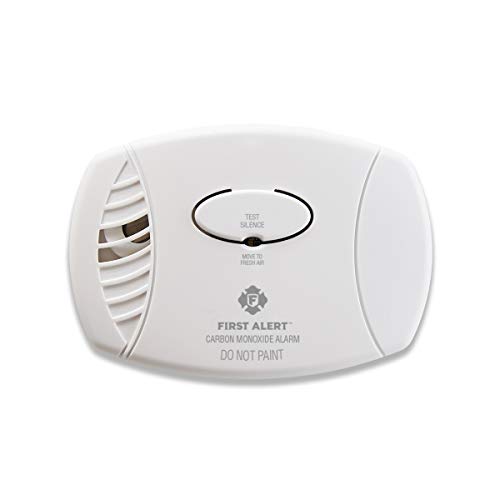
The First Alert CO605 is a reliable plug-in carbon monoxide detector designed for simple setup in living spaces and bedrooms. It operates on a standard electrical outlet and includes a battery backup so monitoring continues during power outages. The device uses an advanced electrochemical sensor, renowned for accurate CO detection across a range of concentrations. A single test/silence button provides quick verification and quiets non-emergency chirps. The alarm reaches 85 decibels, ensuring alert audibility through typical home noise. A low battery signal that can be muted for up to eight hours adds convenience during maintenance or replacement periods.
Placement advice emphasizes avoiding kitchens, bathrooms with moisture, and direct sun exposure while ensuring visibility from common sleeping areas. The CO605 is well-suited for hallways, dens, and bedrooms where overnight monitoring matters. Because it relies on AC power with a battery backup, it minimizes the risk of missed alerts during a blackout. Regular testing and battery checks remain essential, but the device’s straightforward design helps with routine maintenance in busy households.
Kidde Battery Powered CO Alarm With LEDs
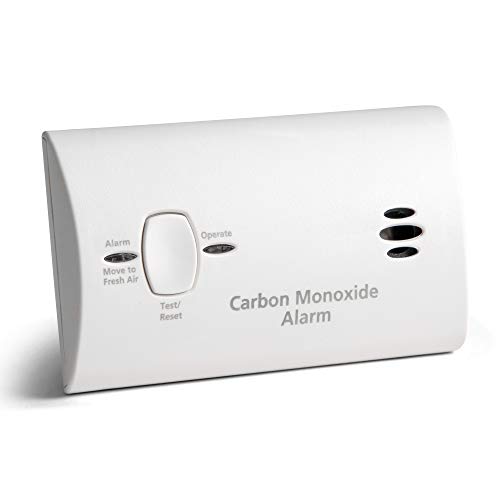
This Kidde model runs on two AA batteries, making it an ultra-flexible option for apartments, rentals, or places where wiring isn’t feasible. Its electrochemical sensor reliably detects carbon monoxide and triggers a loud 85-decibel alarm when CO levels rise above safe thresholds. Green LED indicates power, while a red LED signals CO presence, providing quick, at-a-glance reassurance even in dim rooms. The unit can be placed on a wall or set on a tabletop, making it ideal for bedrooms, living rooms, or hallways. Battery power ensures operation during outages, a critical consideration in emergencies.
Installation is straightforward with no wiring required. Regular battery replacement is necessary to maintain peak performance, and the device’s compact design helps it fit discreetly in smaller spaces. The LED indicators offer immediate status information, which can simplify routine checks for busy households with multiple detectors or for caregivers managing safety needs across a home.
Kidde Plug-In Wall CO Detector With AA Backup
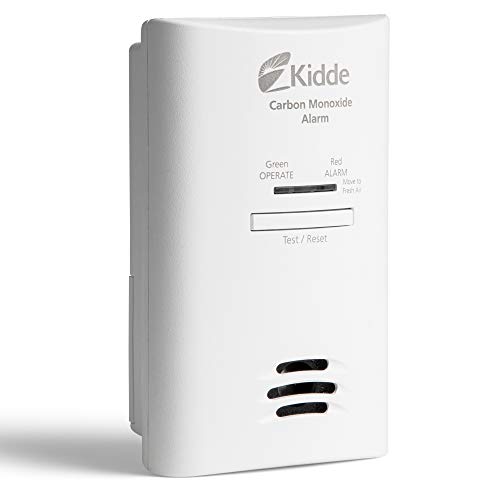
This Kidde model blends convenience with reliability by plugging into a standard 120-volt outlet and adding two AA batteries for backup during outages. The unit delivers an audible 85-decibel alert when carbon monoxide is detected, ensuring family members hear the warning even in a noisy household. Its simple interface makes testing and silencing straightforward, while the plug-in design keeps the detector out of the way in busy rooms. A backup battery increases protection in scenarios where power interruptions are possible, such as during severe weather or outages caused by storms.
For optimal effectiveness, position the detector near sleeping areas and away from cooking appliances or heaters that could trigger nuisance alerts. As with all plug-in detectors, you’ll want to test regularly and replace batteries as needed to maintain reliable performance in the long term.
Kidde CO Detector With Digital Display
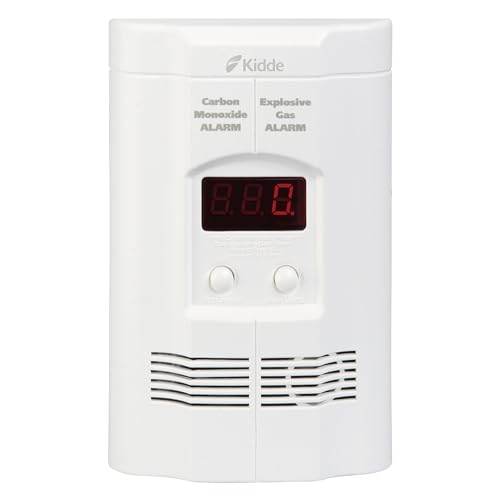
This detector offers a 120-volt plug-in design with a 9-volt battery backup, ensuring continued CO monitoring during power outages. A notable feature is the digital LED display that shows the current CO level and indicates “GAS” when explosive gas is detected, providing quick, intuitive readings without relying solely on LED indicators or alarm sounds. The 85-decibel alarm remains the primary alert method, but the display helps homeowners gauge the severity of a detected leak and respond accordingly. The unit’s compact footprint makes it suitable for bedrooms, living rooms, and entryways alike.
Placement remains key: install away from direct drafts and sources of combustion. Regular tests are essential, and battery backup should be checked periodically to ensure uninterrupted protection. The digital readout adds value for households seeking ongoing visibility into air quality trends over time.
VETOUCH Plug-In CO Detector With LCD

The VETOUCH detector emphasizes a broader monitoring experience by integrating a clear LCD that displays temperature, humidity, and CO concentration. It uses a wide 110–240V AC power supply, making it flexible for various U.S. and some international outlets. The device’s alarm exceeds 85 dB, ensuring alerts are audible throughout most home layouts. The plug-and-play design means installation is quick, and the screen brightness, temperature, and humidity readings add context for occupants assessing indoor air quality. This model suits larger rooms or homes where occupants appreciate real-time environmental data alongside CO detection.
Because the LCD displays multiple data points, it is particularly helpful for households tracking seasonal humidity or temperature shifts that could influence CO risk. Regular testing remains essential, and the unit’s user-friendly interface supports consistent, proactive safety practices without relying on guesswork during emergencies.
Buying Guide
Choosing a residential CO detector involves weighing power sources, display features, and maintenance needs. First, consider power reliability in your home. Plug-in detectors with battery back-up, like the CO605 and several Kidde models, provide continuous monitoring during outages. Battery-powered units are portable and don’t require outlets, which is advantageous for rentals or rooms without convenient wall access. However, they require regular battery replacement to maintain protection.
Sensor technology matters. Electrochemical sensors are widely regarded as accurate and stable for CO detection in typical home environments. Detectors with digital displays or LCDs provide real-time CO readings, which can help you assess risk and track changes over time. A model with a “GAS” alert may also indicate the presence of explosive gases, adding a broader safety signal in certain installations.
Placement and coverage are practical considerations. Install detectors near sleeping areas and on every level of the home, following the manufacturer’s guidelines for distance from vents, furnaces, and kitchens to reduce nuisance alarms. Consider detectors with test and hush functions for quick checks and to quiet alarms during non-emergency events. Some models include temperature and humidity readouts, which can be useful in areas with seasonal climate changes or in rooms with high moisture levels.
Maintenance and lifespan should factor into your decision. All detectors require periodic testing, battery checks, and eventual replacement when the sensors degrade or after the product’s recommended lifespan. If you rent, consider models with both wall-mount and tabletop options to accommodate different layouts. Finally, evaluate whether a detector’s display and alerting style aligns with your household needs—clear digital readouts and intuitive indicators can reduce confusion during a CO event and support a faster, safer response.