Best Saw Blades for Acrylic: Clean, Precise Cuts
Choosing the right saw blade for acrylic can prevent chipping, melting, and rough edges. This guide reviews five blades optimized for acrylic, Plexiglass, and solid surface plastics, helping you pick the best option for circular and table saws. Each blade listed reduces heat buildup, delivers clean cuts, and fits standard arbors. Whether you’re finishing countertops, crafting displays, or cutting acrylic sheets for a project, the right blade matters for edge quality and material integrity.
| Product | Brand | Best For | Teeth | Arbor |
|---|---|---|---|---|
| IVY Classic 7-1/4″ Plastic Blade | IVY Classic | Acrylic, plastics | 60T | 5/8″ |
| Freud Plastic Blade LU94M008 | Freud | Plexiglass, acrylics | 64T | 5/8″ |
| FOXBC 10-Inch 80-Tooth Blade | FOXBC | Aluminum, plastic, non-ferrous | 80T | 5/8″ |
| IRWIN 6-1/2-Inch 140T Blade | IRWIN | Plastic, plywood, veneer | 140T | 5/8″ |
| CRAFTSMAN 7-1/4″ 140T Fine Finish Blade | CRAFTSMAN | Plastic, laminates | 140T | 5/8″ |
IVY Classic 7-1/4-Inch Plastic Blade
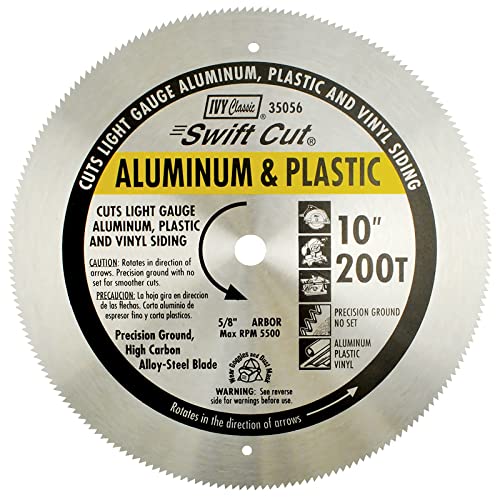
The IVY Classic 36350 Laser Carbide 7-1/4-Inch 60-Tooth Solid Surface and Plastic Cutting Circular Saw Blade with 5/8-Inch Arbor is designed for cutting plastics, acrylic sheets, Plexiglas, and solid surface materials such as Corian. Its laser-carbide teeth help maintain edge quality on lightweight plastics, while the blade’s steel body supports consistent performance. The included caution note—blade rotation must follow arrows—helps ensure safe operation. While effective for acrylic sheets up to thin gauges, for thicker plastics you may need a blade with more teeth. This blade also handles light gauge aluminum and vinyl siding as described in its specifications.
Freud Plastic Blade LU94M008

The Freud LU94M008 Plastic Blade is engineered for Plexiglass, acrylic, polycarbonate, laminate, and other plastics. It features triple chip ground large C4 tungsten carbide teeth and a laser carbide composition for durable, precise cuts. With an 8″ diameter and 64 teeth, this blade is designed to resist heat buildup and prevent edge chipping on plastics. The industrial-grade blade body is fully hardened (Rockwell 40–43 HRC), contributing to long service life in repeated cuts. Users should expect smooth finishes on acrylic and related materials, especially when paired with proper feed rate control.
FOXBC 10-Inch Plastic Cutting Blade

FOXBC’s 10-Inch 80-Tooth TCG blade is built for aluminum, non-ferrous metals, and plastics, offering a fine finish for acrylic applications. It features a 0.094″ kerf and a 5/8″ arbor, with laser-cut stabilizer vents to trap noise and minimize vibration for accurate cuts. The blade’s tungsten carbide composition provides wear resistance and durability in plastics and composite materials, helping maintain edge integrity on acrylic sheets and similar substrates. It is a solid choice when a high-tooth-count blade is needed for clean, chip-free finishes.
IRWIN 6-1/2-Inch 140T Plastic Blade
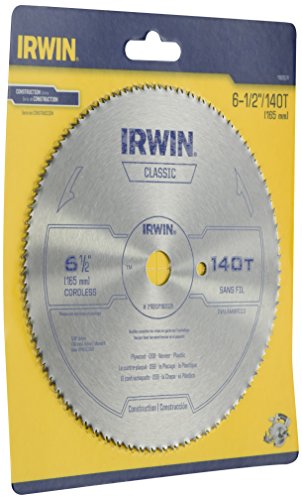
IRWIN’s 11820ZR 6-1/2-Inch blade features 140 teeth on a 6-1/2″ diameter, specifically marketed for plastic, plywood, and veneer cutting. The high tooth count supports finer finishes with plastic materials, providing crisp, minimized-chipping edges on acrylic panels. The 5/8″ arbor is standard for many circular saws, facilitating quick replacement. This blade is suitable for detailed work on acrylic sheets, provided the material thickness remains within the blade’s design tolerances to prevent heat buildup and melting during extended cuts.
CRAFTSMAN 7-1/4-Inch 140T Fine Finish Blade

The Craftsman 7-1/4-Inch 140-Tooth Fine Finish blade is designed for finishing cuts in plywood, OSB, and plastics, including acrylic surfaces. Its high-precision ground teeth and a fully hardened body contribute to a long blade life and consistent edge quality. The 140 teeth minimize tear-out and chipping in plastic laminates and acrylic sheets, making it a strong choice for projects requiring clean faces and tight tolerances. Pair this blade with a steady feed and appropriate cooling to maximize its performance on acrylic materials.
Buying Guide
Choosing the right blade for acrylic involves balancing tooth count, grind style, heat management, and compatibility with your saw. Acrylic and Plexiglass can melt or chip if the cut generates too much heat or catches poorly. The following considerations help compare blades and match them to your project needs.
Tooth Count And Grind Style
- Higher tooth counts (60–140T) generally yield smoother finishes on plastics and acrylic, with less chipping when cutting thinner sheets.
- Laser carbide or carbide-tipped blades with triple-chip grind (TCG) reduce heat buildup and minimize edge melting, especially on shiny plastics.
- Fine-finish blades (e.g., 140T) are best for detailed, clean edges in plastics and laminates, but may cut more slowly than lower-tooth blades.
Heat Management And Edge Quality
- Heat buildup is a major factor when cutting acrylic. Blades marketed for plastics often feature coatings, specialized grind patterns, or heat-dissipating tooth geometry to reduce melting.
- For thicker acrylic or longer cuts, consider blades with efficient chip ejection and stable kerf to maintain edge clarity.
Arbor Size, Kerf, And Compatibility
- Most blades listed use a 5/8″ arbor common to many circular and table saws; always confirm your saw accepts the blade’s arbor size.
- Kerf (the cutting width) matters for precision. A thinner kerf can reduce waste and speed up cuts, but ensure the saw can handle the blade’s thickness without binding.
Application Scenarios And Material Types
- For Plexiglass and acrylic sheets, blades labeled for plastics provide cleaner edges with less melting, especially on softer plastics.
- Solid surface materials (like Corian) benefit from blades with carbide teeth and stable body construction to maintain edge integrity over multiple passes.
- When working with multiple materials (plastic plus wood or metal), choose a blade with versatile performance or switch blades to optimize cut quality for each material.
In practice, the five blades reviewed above cover common acrylic workloads: light acrylic sheets, Plexiglass, and solid surface plastics. For delicate, high-clarity cuts on acrylic, blades with 60–80T or higher are favorable, especially those featuring carbide teeth and advanced grind patterns. For thicker or more demanding jobs, blades with 140T can deliver smoother finishes on plastic laminates and coated surfaces. Always test on a scrap piece to dial in speed, feed rate, and cooling to protect the material and achieve the best edge quality.