Best Trim Painting Brush Sets for Crisp Edges and Smooth Finishes
Choosing the right brush for trim painting can dramatically improve edge definition and finish quality on walls, cabinets, doors, and trim. The brushes below are popular choices for latex, oil, and stain applications, offering a mix of sizes, shapes, and handle designs for both DIY projects and professional work. Use this guide to compare control, durability, and ease of maintenance across these top picks.
| Product | Brand | Key Benefit |
|---|---|---|
| Pro Grade 5-Piece Brush Set | Pro Grade | Versatile mix of flat and angled brushes for trim and edging |
| Bates Trim Brush 3-Piece | Bates Choice | Ergonomic, trim-focused sizes for detailed work |
| ROLLINGDOG Trim Edging Brushes | ROLLINGDOG | Dedicated edging and corner brushes for precise lines |
| Wooster Shortcut Angle Sash | Wooster | Compact control for tight spaces and cut-ins |
| Purdy Clearcut Angular Trim Brush | Purdy | Clearcut design for well-defined trim lines |
In the selections below, each product is tailored to trim and edge work, offering various head shapes, bristle blends, and ergonomic features to suit different painting scenarios. Whether you’re touching up baseboards, casing, doors, or window trim, these brushes provide reliable control and a clean finish across latex, oil, and primer applications.
Pro Grade 5-Piece Brush Set

The Pro Grade 5-Piece Brush Set provides a comprehensive range for trim and edging tasks. It includes a 1″ flat brush, a 1-1/2″ angle brush, a 2″ stubby angle brush, a 2″ flat brush, and a 2-1/2″ angle brush. This assortment is designed for interior and exterior projects, enabling crisp lines with precise control on walls, trim, cabinets, doors, fences, and decks. The angle sash brushes help cut in cleanly, while the flats cover larger surface areas, reducing repainting time.
With a synthetic blend designed to hold more paint and resist wear, these brushes support long sessions and repeated use. Ergonomic handles offer comfortable grip and stability during extended painting, helping reduce hand fatigue. Suitable for both latex and oil-based paints and stains, the set aims to deliver professional results without requiring multiple individual purchases.
Bates Trim Brush 3-Piece

The Bates Trim Brush 3-Piece set includes 5/8″, 3/4″, and 1″ brushes with ergonomic handles designed for detailed trim work. Each brush uses fine bristles to ensure smooth paint application and consistent coverage, helping to achieve clean, even edges on door frames, windows, and architectural trim. The comfortable grip is suited to longer sessions, keeping hands steady while you work along sharp lines and tight corners.
These brushes are well-suited for both latex and oil-based paints. The carefully designed bristles and balanced weight help painters maintain control, reducing streaks and ensuring uniform results on high-precision tasks like trim detailing and edge work. They pair nicely with mid- to large-scale trim projects where consistent, crisp lines are essential.
ROLLINGDOG Trim Edging Brushes

ROLLINGDOG offers a trim-focused set that emphasizes edging precision. The Edging Paint Brush Set includes a 2-piece tandem for cutting in and corners, featuring a seamless aluminum ferrule for durability. The square trim brush head (22mm) and the triangular brush head (24mm) provide complementary shapes to tackle baseboards, window frames, and other tight zones. This combination supports crisp lines along trim edges and near corners, with compact profiles that stay nimble in confined spaces.
Constructed for robustness, these tools also emphasize rust-resistant hardware and sturdy bristles that hold paint well. The included brushes are suitable for latex paints and other water-based coatings, offering consistent performance across multiple touches and touch-ups on interior trim projects.
Wooster Shortcut Angle Sash Brush

The Wooster Q3211-2 Shortcut Angle Sash Brush is designed for tight spaces and precise cut-ins. It features a compact 2-inch brush head with a purple Shergrip handle, which enhances maneuverability during edge work and trim painting. The white nylon and gold polyester blend bristles are versatile enough for all paints, providing a balanced combination of stiffness and control. The brass-plated steel ferrule contributes to durability, helping the brush hold its shape through repeated use on doors, window frames, and baseboards.
Ideal for high-precision trim tasks, this brush enables clean lines in corners and along molding where larger tools struggle. The short handle design allows closer control and reduces fatigue when working along long vertical or horizontal edges. Suitable for both beginners and professionals who frequently cut in around architectural details.
Purdy Clearcut Angular Trim Brush
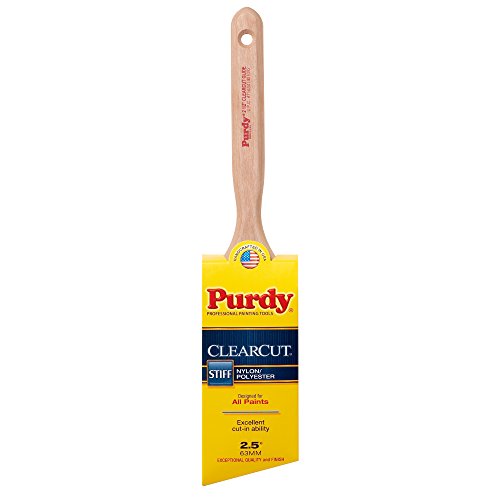
Purdy Clearcut angular trim brushes are engineered for well-defined lines and precise cut-in ability. The stiff filaments—Tynex nylon and Orel polyester blend—are designed to perform with all latex paints and primers, delivering consistent results along trim edges. The brushes are lightweight yet durable, featuring stainless steel ferrules and moisture-wicking alderwood handles for comfortable control during extended use. This makes the Clearcut line a strong choice for professionals and DIYers aiming for sharp, clean trim work on walls, doors, and window frames.
With a focus on edge precision, these brushes resist splaying and maintain form through repeated cycles of painting and washing. While they excel with latex finishes, their sturdy construction also supports oil-based coatings and primers. The result is reliable accuracy for detailed trim tasks, along with straightforward cleaning and maintenance to extend the brush life.
Buying Guide
Brush Type And Edge Control
For trim work, edge control matters most. Angled sash and trim brushes excel at cutting in along ceilings, crown molding, window frames, and tight corners. Consider a small 1- to 1.5-inch brush for tight spots and a larger 2-inch option for longer edges and wide trim. A dedicated edging brush helps you achieve clean lines without tape, while a square or triangular brush can simplify corner work.
Bristle Material And Paint Type
Synthetic bristles tend to hold more paint and wash well for latex paints, while natural bristles can perform better with oil-based finishes but require careful maintenance. For most household trim projects, a high-quality synthetic blend offers a balance of control, durability, and easy cleaning. For primers and thick stains, stiffer bristles maintain shape for consistent results.
Size And Reach
Choose brush sizes that match your project. Small 1-inch brushes are ideal for tight corners and fine detail; 2-inch and larger brushes cover baseboards, doors, and wide trim efficiently. If you work in tight spaces, look for a short-handled or compact brush with an ergonomic grip to reduce hand fatigue.
Handle Design And Comfort
Ergonomic handles with a comfortable grip minimize fatigue during long projects. Many trim brushes feature soft grips, contoured shapes, and lightweight builds to improve control. A balanced brush with a durable ferrule and comfortable handle contributes to lasting performance and steadier strokes along trim edges.
Durability, Cleaning, And Reuse
Higher-quality brushes are designed to be cleaned and reused. Synthetic bristles tolerate washing with soap and water; oil-based paints require a proper solvent wash followed by soap and water. Proper drying with the bristles in their working shape helps preserve performance and edge control for future use.
Value, Warranty, And Brand Reliability
Consider the long-term value of a brush set. A higher upfront cost may save time and effort across multiple projects. Look for reputable brands that offer warranties or replacements, and check reviews for longevity and performance with latex, oil, and stain applications.
Practical Application Tips
Prep surfaces, use painter’s tape where needed, and load the brush with a consistent bead of paint. Avoid overloading or pooling paint in corners. For crisp edges, maintain a steady wrist, rotate from the elbow, and guide strokes along trim edges with the brush’s geometry for superior control.