Best Hand Belt Sander for Precision Woodworking
Selecting a hand belt sander means balancing belt size, speed, weight, and dust management. This guide spotlights five popular handheld belt sanders to help woodworkers tackle detail work and larger surface prep with consistent results. Each model is evaluated on power, ergonomics, and ease of maintenance, so you can choose the best tool for your shop. A quick snapshot of the highlights follows, then detailed sections for each product.
| Product | Brand | Belt Size | Power Type | Notable Feature |
|---|---|---|---|---|
| WEN 6307 Variable Speed Detailing Sander | WEN | 1/2″ x 18″ | Electric | Auto-tracking belt; wide speed range |
| WEN 6321 7-Amp Belt Sander | WEN | 3″ x 21″ | Corded | Detachable dust bag; light for its class |
| WEN HB321V 7.5-Amp Sander | WEN | 3″ x 21″ | Corded | Variable speed; lock-on trigger; quick belt change |
| DEWALT 20V Max Belt Sander | DEWALT | 3″ x 18″ | Cordless | Brushless motor; high dust collection potential |
| SKIL 6 Amp Belt Sander | Skil | 3″ x 18″ | Electric | Pressure control; micro-filtration |
WEN 6307 Variable Speed Detailing Sander
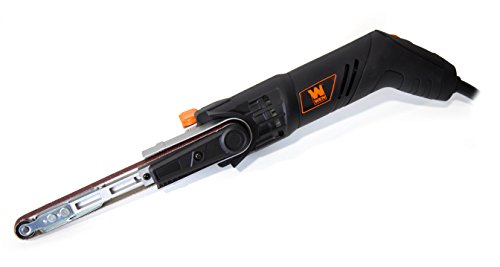
The WEN 6307 provides a compact, handheld solution for fine finish work. It uses a 1/2-by-18-inch belt and offers a variable speed dial that ranges from 1080 to 1800 feet per minute, giving you control for both aggressive material removal and delicate finishing. An auto-tracking belt system keeps the belt aligned without constant tensioning or adjustments, saving time and reducing frustration on the job. The tool also features a 50° range of motion, allowing the belt to pivot up to 55 degrees to reach tight corners, concave curves, and under-runners. This flexibility is ideal for furniture touch-ups, door frames, and trim work where precision matters. Weighing a manageable amount, the 6307 minimizes user fatigue during longer sessions. While primarily a detail sander, its speed range makes it a practical option for prepping small panels and curved surfaces before finishing coats.
Performance notes: the belt is designed for rapid material removal when driven at higher speeds, yet the 1080 fpm setting helps produce a smoother finish on soft woods and plastics. The auto-tracking feature reduces belt wandering, which can otherwise mar workpieces. The 50-degree belt pivot expands your ability to sand in unconventional orientations. However, for heavy stock removal on large flat surfaces, users may prefer larger belt platforms or corded, higher-power machines. The 6307 excels in detail work and tight access areas where control and consistency matter most.
WEN 6321 7-Amp Belt Sander
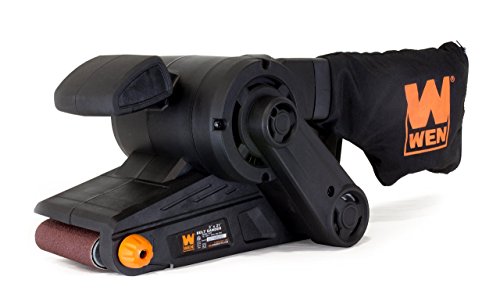
The WEN 6321 brings a larger belt platform into a compact, portable package. Powered by a 7-amp motor, it delivers belt speeds exceeding 13 feet per second, enabling rapid material removal on rough surfaces. The unit weighs around six pounds, which minimizes user fatigue during extended sessions. A detachable dust bag helps reduce cleanup time and keep the workspace cleaner, essential for indoor applications and finer finishes. The 3-by-21-inch belt size balances surface area with maneuverability, making this sander suitable for both doors and panels and for flattening raised grain on tabletops. This model is well-suited for intermediate stock removal and finishing prep on medium-sized projects, and its affordable price point makes it appealing for hobbyists and DIYers alike.
When using the 6321, consider your dust-management setup; the standard bag helps, but for larger projects or fine dust, adding a shop vac-compatible dust collection solution can dramatically improve visibility and air quality. The belt longevity and vibration are typical of entry-to-mid-level sanders, and the tool’s balance makes it comfortable for longer sessions. For users who regularly work on doors, rails, or panels, the 6321 offers a reliable combination of power, portability, and cleanup convenience.
WEN HB321V 7.5-Amp Belt Sander

The WEN HB321V blends power with flexible speed control in a handheld belt sander platform. Its 7.5-amp motor drives the belt through a wide speed range of 620 to 1200 feet per minute, enabling both aggressive stock removal and finer finish work depending on the grit and pressure. A lock-on power switch reduces user fatigue by allowing continuous sanding without holding the trigger, which is helpful during longer sessions on larger panels or table tops. A quick-release belt tension lever simplifies belt changes, reducing downtime between grits and projects. The HB321V is designed for woodworkers who need a versatile, reliable tool for rough stock shaping and finish preparation in a single pass.
In practice, the HB321V performs well on medium to large projects where speed control needs to be tuned to the material. The belt width and tension system contribute to even wear and consistent results across surfaces. For best results, match the belt grit to the task: start with coarser grits for rapid stock removal, then move to finer grits for smoothing and final shaping. Maintain the belt alignment and inspect the drive system periodically to prolong life and preserve performance.
DEWALT 20V Max Belt Sander

The DEWALT 20V Max Belt Sander is a cordless option designed for mobility on larger projects and ladder access spaces. With a brushless motor, it delivers efficient performance and longer runtime per charge, enabling broader sanding sessions without frequent recharges. The model supports a dust collection approach that, when paired with a compatible DEWALT airlock system (sold separately), can capture up to 95% of dust generated during sanding, significantly reducing cleanup and improving air quality in workspaces. A key advantage of this cordless design is the ability to reach corners and elevated areas where a corded unit would be impractical. The belt area is 3 inches by 18 inches, which provides a good balance between fast material removal and precision control for contoured surfaces and edges.
Practical considerations include charge management and vibration control, especially when sanding for extended periods. The DEWALT cordless platform is compatible with other 20V Max tools, which can simplify battery management for multi-tool workshops. For projects that involve large surface areas or elevated work, this cordless option provides significant flexibility, with the trade-off being weight and battery management requirements compared to corded models. The airlock dust system expands the dust-collection potential when used with compatible accessories, enhancing dust control on a variety of shop tasks.
SKIL 6-Amp Belt Sander 7510-01

The SKIL 7510-01 pairs a 6-amp motor with a 3-by-18-inch belt for balanced performance on a variety of woodworking tasks. A standout feature is its pressure control technology, which warns users when excessive pressure is applied, helping to prevent gouging and ensure a smoother finish. The sander also uses a micro-filtration system to capture and contain fine dust, improving breathing air quality and reducing cleanup time. The tool is designed to be maneuverable for hand-held sanding, yet robust enough to handle more substantial material removal on doors, tabletops, and frames. For hobbyists seeking reliable, straightforward performance with anti-dust features, the SKIL 7510-01 offers a solid value proposition.
Operational tips include using the correct belt grits for each stage of your project and maintaining a consistent pressure to avoid dips in finish quality. The dust filtration helps with cleaner operation, but always pair sanding with a vacuum or dust extractor when possible to maintain visibility and air quality, especially in enclosed spaces. The 7510-01 is a practical choice for DIY furnituremaking, trim work, and general surface prep where a dependable belt sander is needed without the complexity of higher-end models.
Buying Guide
When choosing a hand belt sander, consider five core factors that influence performance and results:
- Belt size and work scope: Larger belts (3″ x 21″) remove material quickly on flats, while smaller belts (1/2″ x 18″) excel in detail work and tight spaces. For mixed workloads, models offering both compact form and a broad belt surface provide the best flexibility.
- Power and speed control: A higher amperage typically means more aggressive stock removal, but speed control helps tailor performance to wood hardness and project type. Variable speed and lock-on features reduce fatigue on long sessions.
- Corded vs cordless: Corded tools deliver consistent power ideal for lengthy projects; cordless models offer mobility for elevated or remote tasks but require battery management and can add weight.
- Dust management: Effective dust collection improves visibility and air quality. Look for dust bags, ports, or compatibility with shop vac systems; this is especially important indoors or for fine finishes.
- Ergonomics and maintenance: Weight, grip quality, and vibration influence comfort and accuracy. Quick belt changes and accessible tensioning save time between grits; dust-sealing and durable housings extend tool life.
Product-specific considerations can help narrow choices:
- For narrow detail work and curved surfaces, a sander with a pivoting belt and tight tracking is advantageous (e.g., models with auto-tracking and high belt control).
- If you frequently work on larger panels and doors, prioritize bigger belt sizes and higher motor power, coupled with a reliable dust-collection system.
- When space is limited or access is challenging, a lighter, compact sander with a low center of gravity improves maneuverability.
- Belts availability and replacement costs matter over time. Check for compatible belt grades and common sizes across brands to simplify maintenance.
- Consider the overall ecosystem: cordless tools from the same brand can reduce the number of batteries and chargers needed on site.
In summary, the best hand belt sander for you balances belt size, power, and dust control with your typical projects. For detail work, models like the WEN 6307 excel due to precise speed control and flexible belt orientation. For larger surface prep, the WEN 6321 and DEWALT cordless option provide more aggressive stock removal and mobility, respectively. The SKIL 7510-01 adds built-in protection against gouging with its pressure control feature, which can be a real asset for beginners and seasoned woodworkers alike. Each model has strengths—your choice should align with the scale of tasks you perform and your preferred setup in the workshop.