Best Insulation for Pipes: A Practical Guide
Proper pipe insulation reduces heat loss, prevents freezing, and minimizes condensation on water lines. The best choice depends on pipe size, climate, and whether you need a pre-slit foam sleeve, elastomeric wrap, or foil-backed covering. This article reviews five top Amazon options across common styles to help American homeowners choose the right insulation for their pipes.
| Product | Brand | Type | Size | Key Benefit |
|---|---|---|---|---|
| Duck Brand Foam Pipe Covers | Duck Brand | Foam Pipe Covers | 0.75 in x 1 ft (6 sticks; 6 ft total) | Easy, pre-slit installation; self-sealing edges |
| K-FLEX 2″ x 6 ft Elastomeric Pipe Insulation | K-FLEX | Elastomeric Pipe Insulation | 2″ x 72″ | Superior temperature maintenance and durability |
| Frost King Foil Backed Fiberglass Pipe Wrap | Frost King | Foil-Backed Fiberglass Wrap | 3″ x 1″ x 25′ | Fast, wrap-around coverage with easy handling |
| Wazitin 10 Pcs Pipe Insulation Foam Tube Self Adhesive | Wazitin | Self-Adhesive Foam Tube | 1.31 ft each; 0.85 in ID; 0.39 in thick; 10 pcs | Versatile kit for multiple pipes and bends |
| Redford Supply Co. 2″ x 14 ft Pipe Insulation Tape | Redford Supply Co. | Foam Tape Wrap | 2″ x 14 ft | Durable outdoor insulation with strong adhesion |
Duck Brand Foam Pipe Covers, 0.75 Inch

Duck Brand foam pipe stick covers are designed for both hot and cold water pipes. The foam is pre-slit for easy opening and installation on curved pipes, and the self-sealing edges help secure the sleeve without extra tape. This style simplifies installation in tight spaces or around bends, making it a practical option for DIY projects and quick winter prep.
These sticks help prevent winter freezing and summer sweating of indoor water, air conditioning, and HVAC pipes. The material is rated for temperatures up to 212°F, which covers most residential hot-water and cold-water scenarios. A light, flexible solution, it is ideal for standard plumbing runs in basements, attics, and utility closets.
K-FLEX 2-Inch Pipe Insulation, 6 Ft
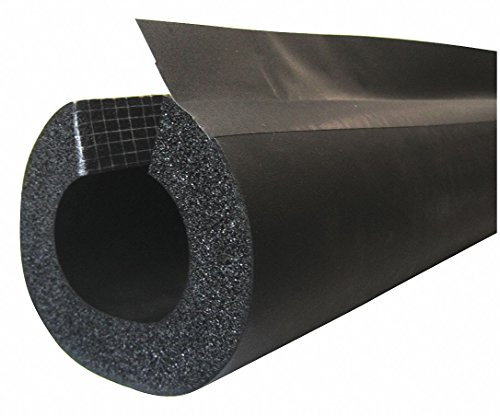
K-FLEX uses durable elastomeric rubber, delivering flexible insulation that maintains steady temperatures and protects pipes from heat gain or loss. The elastomeric material is designed to resist cracking and tearing, making it suitable for long runs and exposed installations where pipes may bend or twist.
With a 2-inch width and 6-foot length, this insulation covers a broad range of pipe sizes and configurations. The robust construction also offers favorable acoustic properties, contributing to quieter operation in HVAC and plumbing systems while helping reduce energy waste in the home.
Frost King Foil-Backed Pipe Wrap, 25 Feet
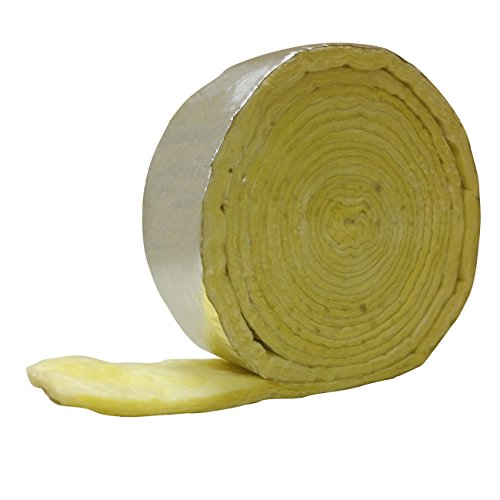
Foil-backed fiberglass pipe wrap provides quick, wrap-around coverage for straight runs and bends. The foil layer adds a moisture barrier, while the fiberglass core offers durability and lightweight handling. It’s an economical option when you need fast coverage on multiple pipes in basements or crawl spaces.
The wrap accommodates indoor and outdoor use, with enough total length (25 feet) to cover several pipe sections in a typical residential setting. Its ease of application makes it a popular choice for seasonal weatherproofing and freeze protection on outdoor lines and exposed indoor piping.
Wazitin Self-Adhesive Pipe Insulation Kit, 10 Pcs

This kit includes ten self-adhesive foam tubes designed for quick wrapping around pipes, including curves and awkward spots. The edge is pre-applied adhesive to streamline installation, reducing time and effort on projects that involve multiple pipes or irregular shapes.
Made of safe neoprene rubber foam with fiberglass aluminum film, the insulation resists water, oil, and dust while maintaining temperature control. It’s a versatile option for seasonal protection and is suitable for a mix of indoor and sheltered outdoor piping where speed matters more than long, rigid runs.
Redford Supply Co. Pipe Insulation Tape, 14 Ft

This 2-inch by 14-foot foam tape wrap offers flexible coverage for both indoor and outdoor piping. The adhesive is designed to hold under temperature fluctuations and weather exposure, making it suitable for quick sealing around bends, spigot connections, and less accessible runs where traditional foams are harder to install.
Supporters of this wrap highlight the ability to contour to irregular shapes and extend insulation along longer runs without requiring a bulky tube. It’s a practical option for maintenance work, seasonal shutoffs, and temporary winterization projects.
Buying Guide
When selecting pipe insulation, consider pipe diameter, climate, application environment, and maintenance needs. Below are key purchase considerations to balance performance and value.
- Pipe size and type: Measure outer diameter and consider wall thickness. Pre-slit foam sleeves are easiest on straight runs and mild bends, while foam tubes and elastomeric wraps accommodate curved sections more securely.
- Material options: Foam pipe sleeves (soft, simple to install), elastomeric rubber insulation (durable, excellent thermal resistance; better for outdoor or exposed pipes), foil-backed fiberglass wraps (lightweight, quick to apply; moisture resilience varies with seam sealing), and self-adhesive foam tubes or tapes (fast coverage for irregular shapes).
- Indoor vs outdoor use: Outdoor piping benefits from moisture resistance and UV tolerance; indoor applications emphasize condensation control and ease of installation in tight spaces.
- Temperature and moisture resistance: Check rated temperatures (for example, some foam sleeves tolerate up to 212°F). For outdoor or moisture-prone pipes, choose materials with better moisture resistance and sealing capability to prevent mold or corrosion.
- Ease of installation: Pre-slit products simplify installation on curved runs. Self-adhesive options save time but may require careful surface preparation for strong adhesion.
- Durability and lifespan: Elastomeric insulation tends to last longer in harsh environments, while foam wraps and tapes may require replacement sooner if exposed to frequent temperature swings or moisture.
- Energy and condensation benefits: Proper insulation reduces heat loss and minimizes condensation, supporting energy efficiency and corrosion prevention on metal pipes.
- Cost and value: Compare upfront costs with expected lifespan and potential energy savings. A slightly higher-priced option with longer durability can offer better long-term value.
- Pipe material compatibility: Ensure the insulation type is suitable for copper, PVC, PEX, or other piping materials in your home.
- Installation area considerations: Attics, basements, and crawl spaces may have different moisture and temperature profiles; tailor your choice to the condition of the space.
Choosing the right insulation involves balancing convenience, durability, and performance. For quick DIY upgrades on standard pipes, foam sleeves or self-adhesive foam tubes offer fast protection. For longer outdoor runs or areas with temperature extremes, elastomeric insulation or foil-backed wraps provide stronger, more durable protection. By matching product type to pipe size and environment, homeowners can optimize energy efficiency, prevent leaks, and reduce maintenance over time.