Best Heat-Reducing Window Film for Comfort and Savings
Heat-reducing window films offer a practical way to cut indoor temperatures, cut glare, and protect furnishings from UV fade without major renovations. This guide highlights top-rated options that balance heat rejection, privacy, and visibility, so you can choose the right film for your home or office. Each pick below emphasizes energy efficiency, durable materials, and easy application, helping you stay cooler in summer and preserve interior aesthetics year-round.
Summary of Featured Products
| Product | Brand | Key Benefit |
|---|---|---|
| Gila Heat Control Titanium Window Film | Gila | Blocks up to 72% of solar energy; reduces glare |
| Volcanics One Way Privacy Film | Volcanics | Adhesive-free, easy removal, daytime privacy |
| Coavas One Way Privacy Film | Coavas | Blocks up to 85% infrared heat; UV protection |
| BDF NA05 Daytime Privacy & Sun Control | BDF | Extra dark privacy with strong heat rejection |
| BDF NLS70 Highly Transparent Window Film | BDF | High heat rejection with near-invisible appearance |
Gila Heat Control Titanium Window Film

Gila’s titanium-coated film is designed for residential DIY installations, offering substantial solar energy rejection and glare reduction. It covers up to three standard windows (3 ft by 15 ft), making it a practical choice for larger rooms or mixed-use spaces. The product is marketed as energy-efficient, with claims of rejecting up to 72% of total solar energy and reducing interior glare by about the same margin. This combination can help maintain cooler indoor temperatures during peak sun hours and protect furnishings from UV exposure.
- Covers up to 3 standard windows (3 ft × 15 ft).
- Energy efficient: up to 72% solar energy rejection.
- Reduces glare up to 72%, improving comfort and screen visibility.
The film’s adhesive properties support a straightforward installation process, and its gray tone helps minimize indoor brightness without creating a heavy tint. Users should follow manufacturer directions for cleaning and application, particularly when trimming to custom window sizes. For spaces with direct sun or high glare, this film provides a balanced blend of heat rejection and daylight transmission, preserving exterior views while curbing heat buildup.
Volcanics One Way Privacy Film

Volcanics offers an adhesive-free privacy film that’s easy to install and remove, with the appeal of a daytime mirror-like effect. The film adheres to windows without a sticky adhesive, which can be attractive for renters or those who anticipate frequent changes. A key caveat is privacy perception: during daytime, the reflective surface provides visibility protection from the outside; at night, interior lighting changes the effect, potentially reducing privacy without curtains. The film is designed to be reusable, and removal typically leaves minimal residue, simplifying maintenance or relocation.
- Adhesive-free window privacy film for quick installs.
- Easy removal with no residue; reusable in many cases.
- Daytime privacy via reflective mirror effect; outside visibility influenced by lighting conditions.
While privacy is a primary feature, Volcanics also contributes to heat management by reducing glare and blocking some solar radiation. It’s a flexible option for spaces where a non-permanent, aesthetically versatile solution is desirable, especially in rooms where daytime privacy is a priority and exterior views remain important.
Coavas One Way Privacy Film

Coavas emphasizes a one-way privacy film with heat and sun control, designed to block heat-causing infrared rays while preserving outdoor visibility under certain lighting. The product stresses a precise fit, urging customers to measure windows accurately before purchasing. The film reportedly blocks up to 85% of infrared heat and provides UV protection, which helps reduce interior fading. At 13% VLT, it maintains a balance between privacy and view, making it a practical option for office doors or homerooms where glare control is essential but daylight remains desirable.
- Blocks up to 85% infrared heat; UV protection up to 95%.
- Static cling design for easy, adhesive-free installation.
- 13% VLT balances privacy with outdoor visibility.
The film is described as a static cling option, which can simplify removal and reapplication. This makes it suitable for renters or those who anticipate changing interior design or window configurations. As with other one-way films, performance depends on lighting; daytime interventions provide the best privacy effect, while nighttime views may require curtains or additional shading.
BDF NA05 Window Film Daytime Privacy and Sun Control Natural Black 5
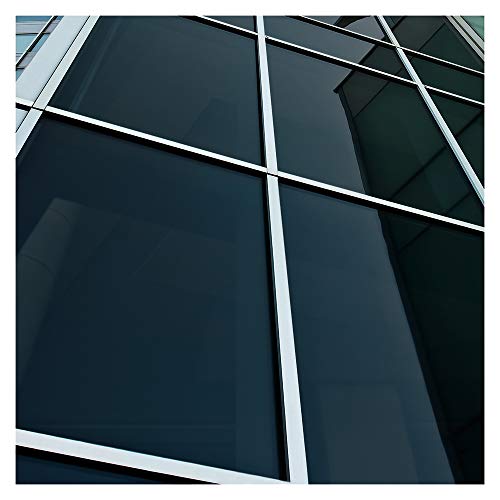
BDF’s NA05 line emphasizes daytime privacy with a very dark, natural black finish. Marketed for strong heat rejection, this film aims to reduce cooling costs during the summer while maintaining effective UV protection. The dark tint helps obscure interior activity from outside observers, though it is not recommended for dual-pane windows. A release liner covers adhesive layers, and application typically benefits from a generous amount of soapy water to ensure smooth adhesion and easy repositioning during installation.
- Extra dark, black finish for daytime privacy.
- Excellent heat rejection and UV blocking (up to 99%).
- Strong adhesive with release liner; use abundant soapy water during installation.
For spaces where privacy and heat reduction are priorities in hot climates or sun-drenched rooms, NA05 provides a robust option. However, homeowners should verify window type (single vs dual-pane) and consider light requirements during the day to maintain comfortable interior lighting without sacrificing privacy.
BDF NLS70 Window Film

The NLS70 from BDF is described as a highly transparent nano-layered film designed to maximize light flow while delivering superior heat rejection. The film’s light shade is described as very light, with a blue-tinted appearance that remains nearly invisible on the glass. UV protection remains a key feature, helping to reduce furniture fading. This combination suits spaces where minimizing visible tint is important but heat control can’t be compromised, such as living rooms with abundant natural light or display areas in offices.
- Highly transparent with near-invisible appearance.
- Best-in-class heat rejection with high light transmission.
- Blocks almost 100% UV rays to protect furnishings.
Choosing NLS70 is ideal when you want significant heat control without sacrificing daylight or external views. It’s especially appealing for modern homes with large glass expanses or rooms that receive intense sun exposure but require clear sightlines.
Buying Guide
When selecting a heat-reducing window film, consider the environment, window type, and how you prioritize privacy, light, and aesthetics. Below are practical guidance points to help you compare options effectively.
What heat-reducing film does
Heat-reducing window films reflect or absorb a portion of solar energy before it enters your space. They help lower cooling loads, decrease glare on screens and surfaces, and reduce UV exposure that dulls furniture and fabrics. Films vary in their approach: some emphasize privacy (one-way mirrors), while others focus on maintaining high daylight transmission with minimal tint.
Key purchase considerations
- Heat rejection rating vs. UV protection: Prioritize infrared heat rejection if cooling costs are a major concern; UV protection preserves interiors.
- Visible Light Transmission (VLT): Higher VLT means more daylight; lower VLT adds privacy but reduces brightness.
- Privacy level: Decide between one-way privacy films (daytime privacy) and true privacy films (often darker, useful for bedrooms).
- Adhesive vs. adhesive-free: Adhesive films are durable but harder to reposition; static cling (adhesive-free) films are easier to install and remove but may be less durable in high-humidity locales.
- Window compatibility: Double-pane vs single-pane; some dark films may cause issues with dual-pane seals or condensation.
- Installation considerations: Some films require soapy water and careful squeegeeing; others are ready-to-apply and reusable.
Privacy vs. daylight trade-offs
Many heat-control films trade some daylight for privacy. If you want a bright, airy space, look for high-clarity films with UV protection and minimal tint, such as the highly transparent options. For bedrooms or home theaters, darker films deliver stronger privacy but may require additional lighting adjustments during the day or the use of curtains at night.
Climate and room-specific guidance
- Hot, sun-drenched rooms: Prioritize infrared heat rejection with a compromise on tint, so you maintain daylight while reducing heat gain.
- Energy-saving goals: Choose films that claim significant solar energy rejection and UV blocking to protect interiors and reduce HVAC usage.
- Light-sensitive interiors: Opt for high-VLT or nearly transparent films to preserve natural light and minimize the impact on interior design.
Maintenance and longevity
Follow installation instructions precisely to avoid bubbles or improper adhesion. Clean with non-abrasive cleaners and avoid ammonia-based solutions that can degrade film edges. For adhesive films, routine care helps extend life. For adhesive-free films, ensure clean glass surfaces prior to application for optimal adhesion and performance.
How to compare films quickly
- Check the heat rejection and UV protection claims to assess protection level.
- Assess VLT to balance privacy with daylight needs.
- Consider installation method and whether you prefer permanent or removable options.
- Review window type compatibility and any warnings about multi-pane installations.
In short, the best heat-reducing film for you depends on climate, room function, and how much you value daylight versus privacy. The options above span adhesive vs adhesive-free designs, varying privacy levels, and a range of heat-rejection capabilities. By aligning your choice with your room’s orientation, sun exposure, and interior preferences, you can achieve meaningful comfort gains and energy savings without sacrificing aesthetics.