Best Tiller for Breaking New Ground: Top Picks for Home Gardens
Preparing soil for a thriving garden starts with a reliable tiller. The models below cover cordless, gas, and manual options to fit different yard sizes and soil conditions. Each product has been selected for breaking new ground, soil aeration, and efficient cultivation. Read quick specs and then dive into detailed sections to compare power, maneuverability, and maintenance considerations that matter in American backyards.
| Product | Brand | Power Source | Tine/Blade | Notes |
|---|---|---|---|---|
| TaskStar TH4000 | TaskStar | Cordless | 48 Tines | Great for small to medium beds |
| AidBuilt Gas Tiller | AidBuilt | Gas 212cc | Heavy-Duty Tines | Powerful for hard soil |
| Mantis 7940 | Mantis | Gas 25cc 4-Cycle | Standard Tines | Lightweight; Made in USA |
| Garden Weasel 90206 | General Tools | Manual | Detachable Tines | Low-cost, portable |
TaskStar TH4000 Cordless Garden Tiller

The TaskStar TH4000 is a cordless tiller designed for breaking new ground in small to medium beds. It uses a 360 RPM motor and 48 heavy-duty, rust-resistant steel tines to deliver smooth soil breaking, tilling, and compost mixing. The 4000mAh battery provides portability and reduces cord clutter, making it easy to use in raised beds or tight corners. It offers maintenance-free operation when compared with gas models. Consider runtime per charge and soil density, which can affect overall efficiency. This model is well-suited for gardeners prioritizing mobility and low noise in residential spaces.
AidBuilt 212cc 7HP Gas Tiller

The AidBuilt 212cc 7HP gas tiller is built to break ground in hard soil. It features a 212cc 7HP 4-stroke OHV engine, delivering high torque for tough soils. Dual forward and reverse control enables easy navigation through dense beds and around obstacles. The tilling width is adjustable up to 22 inches with a depth up to 6 inches, providing flexibility for various soil types and plantings. This heavy-duty model is designed for large gardens, farm fields, and landscaping projects, delivering power and reliability with comparatively straightforward maintenance. Fuel availability and service intervals are important considerations for long-term use.
Mantis 7940 4‑Cycle Tiller
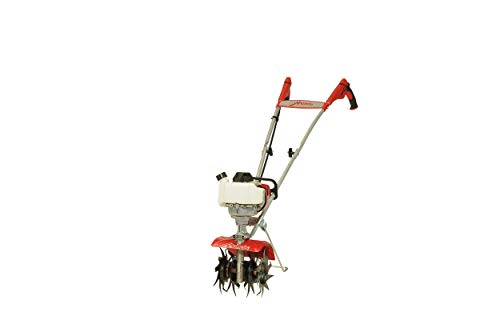
The Mantis 7940 uses a Honda 4-cycle engine (gas only, no fuel mix required) with 25cc power, providing durable performance. Weighing about 24 pounds, it is highly portable for tight garden rows, yet its tine speed reaches up to 240 RPM for efficient soil turnover. Made in the USA with a two-year limited warranty, the unit emphasizes quality and support. Its lightweight design reduces fatigue during extended tilling, making it ideal for raised beds and small-to-medium plots where maneuverability matters and frequent transport is needed. This model suits gardeners who want a compact, reliable solution with quick setup.
Garden Weasel Hand Tiller 90206

The Garden Weasel 90206 is a manual hand cultivator with detachable tines for easy maintenance. Its carbon steel construction offers weather and rust resistance for long-lasting use in small-to-medium beds, containers, or raised planters. This option requires physical effort but has zero emissions and no fuel or batteries to manage. To maximize effectiveness, prepare the area by removing stones, rocks, and root outcroppings that could damage the tines. This model is best for gardeners seeking a low-cost, portable option for light cultivation tasks and soil turnover in tight spaces.
Buying Guide
When choosing a tiller for breaking new ground, consider soil type, garden size, and expected workload. Cordless electric tillers like TaskStar TH4000 are ideal for small plots, raised beds, and areas where outlets are scarce. Gas tillers such as AidBuilt 212cc deliver higher torque and broader coverage, suitable for hard soil, clay, and larger plots, but require fuel management and maintenance. Lightweight models like Mantis 7940 offer portability and quick turnaround in narrow rows, while manual tools like Garden Weasel are best for small, emission-free tasks. Balance runtime, weight, width, depth, and price to match your specific garden.
- Power and soil conditions: Gas engines provide higher torque for tough soils, while electric tillers excel in lighter soils and smaller spaces.
- Width and depth adjustability: Wider tilling and deeper cultivation speeds up bed prep, but may require more space and effort to maneuver.
- Weight and ergonomics: Lighter units reduce fatigue but may have less torque; consider handles and balance for comfortable use.
- Maintenance and service: Gas engines need oil changes and air filter replacements; electric tillers require battery care and charging cycles.
- Durability and warranty: Made-in-USA models may offer longer warranties; examine tines and frame construction.