Best Tin Snips for Metal Roofing: Top Picks for Durable Cuts
When planning a metal roof, clean, precise cuts are essential for panels, flashing, and trim. Tin snips designed for sheet metal can dramatically improve accuracy, reduce waste, and minimize fatigue on long jobs. This guide highlights five top-rated tin snips that excel in roofing tasks, focusing on blade quality, cutting capacity, and ergonomic design. Each pick is evaluated for durability, ease of use, and value for both professional roofers and DIY enthusiasts working with aluminum, copper, and steel panels.
| Product | Brand | Notable Feature | Ideal For |
|---|---|---|---|
| Midwest Snips MWT-6516 Long Cut Tin Snips | Midwest Snips | Long cut blades; forged blade; USA-made | Straight cuts and offset patterns |
| Hurricane 10-In Tin Snips | HURRICANE | Chrome vanadium steel blades; serrated edge | Straight cuts and gentle curves |
| Klein Tools 89556 Tin Snips | KLEIN TOOLS | 12-inch length; high-carbon blades | 24 gauge steel and 28 gauge stainless |
| Tooleague 12-In Tin Snips | TOOLEAGUE | CR-V steel; safety lock | Sheet metal up to 1.2 mm carbon steel / 0.7 mm stainless |
| Midwest Snips MWT-6510R Right Cut Snips | Midwest Snips | Right offset cut; Kush’N-Power grips | Right curves and tight spaces |
Midwest Snips MWT-6516 Long Cut Tin Snips

The Midwest Snips MWT-6516 is designed for durability and simple operation. Its forged blade provides rigidity for clean edges, and the USA-made construction signals a focus on quality and longevity in harsh work environments. The long-cut design covers more material with each stroke, speeding up trimming of edge flashing and straight sections on metal roofs. Kush’N-Power comfort grips align with natural hand positions, helping to reduce fatigue during long sessions on a ladder or scaffold. This model excels in straight cuts and forgiving curves often encountered when fitting roofing panels.
Whether you’re trimming aluminum or light-gauge steel, the MWT-6516 offers dependable performance with minimal effort. The combination of a robust forged blade and ergonomic handles makes it a reliable option for both professional roofers and serious DIYers working on residential metal roofing projects. Consider this snip when you expect long cuts or when you prioritize ease of use alongside toughness.
Hurricane 10-In Tin Snips

The Hurricane 10-In Tin Snips are built for strength and control, featuring chrome vanadium steel blades. The straight regular cut enables clean, precise lines, and the serrated edge with a sanding finish provides a secure grip on slippery materials to prevent slips during cutting. The tool is capable of handling sheet metal, copper, aluminum, and even some plastics, making it a versatile choice for roofing applications that require reliable straight cuts and gentle curves. The robust construction supports repeated use in demanding field conditions.
With a cutting capacity suitable for up to 18 gauge cold-rolled steel and galvanized sheets, plus 22 gauge stainless steel, these snips balance power with manageability. The ergonomic tool is designed for steady control on long runs, reducing strain on the wrist. For roofers dealing with corrugated panels or need to make quick, accurate cuts in metal flashing, the Hurricane Snips offer dependable performance without a steep learning curve.
Klein Tools 89556 Tin Snips
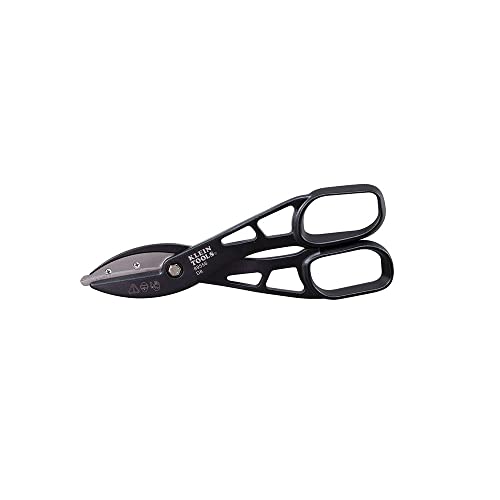
The Klein Tools 89556 Tin Snips provide a longer cutting length with high-carbon blades designed for high edge retention and a clean cut through tougher materials. The 12-inch tool offers substantial leverage for larger panels and is particularly effective on 24 gauge steel and 28 gauge stainless steel. The combination of steel quality and blade geometry supports consistent performance across repeated cuts, which is valuable when trimming panels and flashing in roofing installations. The tool is well-suited for professional use where precision and longevity matter.
Users benefit from dependable straight cuts and the capacity to handle slightly thicker materials without excessive effort. The blade geometry and hardened steel construction make this model a strong choice for roofers who encounter a variety of metals, including copper and aluminum in trim work. For those prioritizing blade life and precise control, Klein’s 89556 snips offer a reliable option within the 12-inch class.
Tooleague 12-In Tin Snips
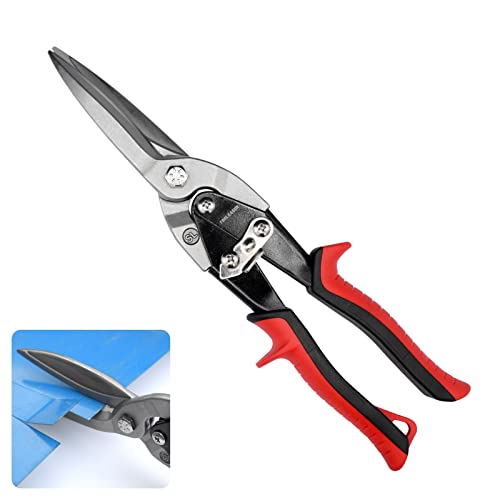
Tooleague’s 12-inch Tin Snips use CR-V steel with overall heat treatment to achieve higher hardness and longer life. The compound-action design offers strong cutting force with a durable structure and a sharp, serrated edge to prevent slippage during cuts. The tool supports a wide range of applications, including 1.2 mm carbon steel and 0.7 mm stainless, making it suitable for various roofing tasks such as trimming metal sheets, keel, and square steel pipe work. The safety lock feature helps secure the blades during transport or storage, contributing to on-site safety.
For roofers who need a versatile snip capable of clean straight cuts and stable curves, Tooleague’s model provides a reliable balance of material strength, cutting efficiency, and safety features. The serrated edges, durable CR-V construction, and the practical locking mechanism make it a solid option for comprehensive metal roofing projects.
Midwest Snips MWT-6510R Right Cut Snips
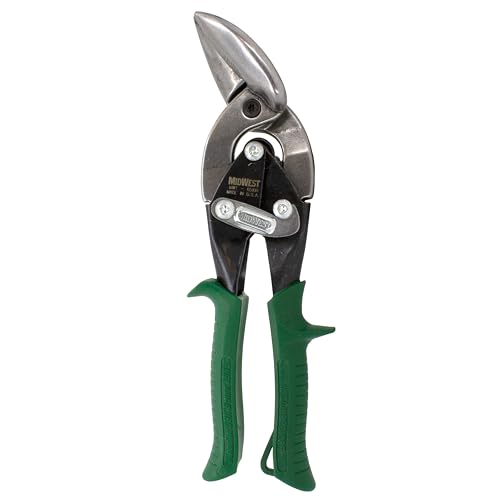
The Midwest Snips MWT-6510R is a right-offset aviation snip designed for cuts straight or right-turning curves, with the added benefit of being comfortable for left-hand use as well. The blades are hardened steel, milled for precise cutting in vinyl or aluminum materials, which makes them particularly effective for trimming siding or roofing materials with tight radii. The Kush’N-Power grips provide a secure, comfortable hold, minimizing fatigue during long sessions. This model is especially helpful when working in corners or along roofs where a right-hand cut is advantageous.
For roofers who frequently navigate tight spaces or need dependable control over curved cuts, the MWT-6510R offers a balanced combination of edge durability, grip comfort, and effective right-cut performance. It pairs well with other Midwest Snips models for a complete roofing tool set focused on efficiency and accuracy.
Buying Guide
Key factors to consider when selecting tin snips for metal roofing include blade material, cutting capacity, and ergonomic design. The right combination depends on the metal you’re working with, the length of cuts you perform, and how much time you spend cutting on ladders or scaffolds. Below are essential considerations to help you compare models and choose the best tool for your roofing needs.
- Blade material and edge durability — Look for high-carbon steel or chrome vanadium blades for long edge retention. Hardened blades resist wear when cutting thicker panels and tougher metals.
- Cutting capacity — Check the gauge range the snips can handle. Roofing often uses 24-26 gauge steel, aluminum, and copper; some models handle up to 18 gauge or more. Ensure the snips match your typical material thickness.
- Cutting geometry — Straight-cut snips are versatile for panels, while offset or right-cut snips excel in tight spaces and near seams. For complex roofs, a combination of straight and offset tools can save time.
- Handle design and comfort — Ergonomic grips, such as Kush’N-Power or cushioned handles, reduce fatigue on longer jobs. Consider a model with non-slip surfaces for wet or sweaty conditions.
- Safety features — A locking mechanism or blade lock helps secure the snips when not in use, lowering the risk of accidents on the job site.
- Durability and maintenance — Look for tools with forged blades and corrosion-resistant finishes. Regular cleaning and light oiling extend tool life and maintain cutting performance.
- Replaceable blades and rebuildability — Some models offer replacable blades or tips, which can extend the life of the tool and lower long-term costs.
- Weight and balance — Heavier snips can provide more cutting power but may increase fatigue. Balance and weight should suit your working style and overhead work conditions.
- Brand reputation and warranty — Trusted brands with solid warranties typically offer better long-term reliability, which matters on high-volume roofing projects.
In practice, choose a primary snip for straight, high-volume cuts and a secondary snip for curves and tight spots. For metal roofing, a 10–12 inch snip often provides a good balance of leverage and control, while a 12-inch or longer model helps with long panels. If you frequently work with multiple metals, consider models with hardened blades and corrosion-resistant coatings to maximize longevity and reduce replacement costs over time.