Best Zigbee Smart Switches for Modern Homes
Zigbee smart switches bring reliable, low-power control to wired lighting and devices, enabling seamless automations across rooms and floors. This guide highlights five strong Zigbee switch options that fit a variety of wiring setups, hub requirements, and ecosystems. Whether you need neutral or no-neutral installs, 3-way compatibility, or add-on switches for multi-location control, these picks cover common home automation scenarios with clear, practical benefits.
| Product | Brand | Type | Key Benefit |
|---|---|---|---|
| SONOFF ZBMINIR2 4-Pack Zigbee Smart Switch | SONOFF | Zigbee Smart Switch (Hub Required) | Repeater function; compact size; supports multiple switch types |
| SONOFF ZBMINIL2 No-Neutral Zigbee Switch | SONOFF | No-Neutral Zigbee Switch | Small footprint; fits tight boxes; supports external rockers |
| Aqara Smart Light Switch (No Neutral) | Aqara | Zigbee Switch (No Neutral) | Requires Aqara Hub; strong ecosystem integration |
| Enbrighten Add-On Zigbee Switch | Enbrighten | Add-On Zigbee Switch | 3-way capability; mirrors primary switch functions; multi-location control |
| MOES Full Touch ZigBee Smart Switch | MOES | ZigBee SF Smart Switch | Full-screen touch; anti-glare; air gesture control |
SONOFF ZBMINIR2 4-Pack Zigbee Smart Switch

The ZBMINIR2 is a compact Zigbee smart switch that requires a SONOFF Zigbee hub. Once linked via the eWeLink app, you can control lights remotely and extend the Zigbee network with the switch acting as a repeater. It features wall-piercing mode to boost signal and is designed to be 40% smaller than earlier models, simplifying installation behind various wall plates. It also supports integration with open-source platforms through Zigbee dongles, widening compatibility beyond the vendor’s app. This four-pack is ideal for upgrading multiple rooms with one purchase.
Installation flexibility is a key benefit. The ZBMINIR2 supports a range of switch types, including rocker, momentary, SPDT, and door switches, allowing installers to retrofit both traditional and contemporary switches without replacing the entire wall box. The need for a Zigbee hub means continued alignment with your existing smart home, and the device’s compact form helps minimize in-wall clutter. As a repeater, it can help strengthen overall Zigbee mesh performance in larger homes or multi-room layouts.
SONOFF ZBMINIL2 No-Neutral Zigbee Switch

The ZBMINIL2 is a no-neutral version designed to fit the smallest 120-volt wall switch boxes. Its compact design makes it a practical upgrade where neutral wiring is unavailable or difficult to modify. While compact, the switch remains compatible with external rocker switches and self-reset mechanisms, enabling safe integration into existing wall configurations. A hub remains required to coordinate Zigbee communications and to enable remote control via the eWeLink app or integrated smart home platforms.
For installations in tight spaces, the ZBMINIL2 offers a streamlined option without sacrificing capability. Its no-neutral approach reduces wiring requirements and can simplify retrofits in older homes. When paired with a supported Zigbee hub, it provides reliable, low-latency control for single-pole setups, and its Zigbee backbone helps maintain a robust mesh across a home, especially when used in multiple rooms or on a floor with several switches.
Aqara No-Neutral Zigbee Smart Light Switch
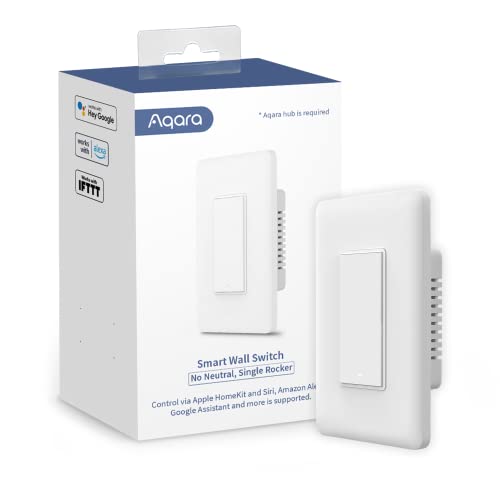
The Aqara Smart Light Switch No Neutral is designed for use with Aqara hubs and a 2.4 GHz Wi‑Fi setup for hub connectivity. It supports remote control, scenes, and automation, enabling you to tailor lighting to routines or occupancy. The switch handles a substantial load (up to 600 W per way for incandescent and lower for CFL/LED), and it’s built to operate within a 0°C to 40°C indoor range. It’s a robust choice for users already using Aqara’s ecosystem or those planning to build a multi-device setup around Aqara hardware.
Notes emphasize the need for a hub and a compatible 2.4 GHz network. While this model is optimized for Aqara’s system, it also integrates into broader smart-home automations via the Aqara Home app and supports remote access, schedules, and scenes. For households prioritizing an established hub ecosystem (HomeKit, Google Assistant, and Alexa), Aqara’s platform provides a cohesive experience with reliable Zigbee operation.
Enbrighten Add-On Zigbee Switch

The Enbrighten Add-On Switch is designed to extend control in multi-switch configurations. It is not a standalone switch; instead, it mirrors commands from a primary Zigbee or Z‑Wave device, enabling 3-way setups and remote operation from multiple locations. The 2nd-generation Quick Fit design reduces housing depth by up to 20%, making it easier to install in tight wall boxes and multi-gang configurations. Dual ground ports support daisy-chaining, enhancing wiring flexibility for complex lighting layouts.
Because it functions as an add-on, users should pair it with a compatible primary switch or dimmer. This model is particularly valuable in kitchens, living rooms, or hallways where lights are controlled from more than one switch location. It helps maintain a consistent user experience across rooms while leveraging existing Zigbee or Z-Wave hubs and automations.
MOES Full Touch ZigBee Smart Switch

The MOES Full Touch Smart Switch features a full-screen touch interface with optional air gesture control, offering a modern alternative to traditional physical toggles. The anti-glare tempered glass panel provides a clean look and reduces fingerprints while maintaining visibility in bright daylight or dim lighting. It supports integration with Smart Life and Tuya apps, allowing voice control via Alexa and Google Assistant and easy control through routine automations and scenes.
Designed for a three-wire or multi-wire installation, this switch is well-suited for contemporary living spaces where aesthetics matter as much as function. The touch interface, combined with Zigbee compatibility, supports fast response times and reliable connectivity within compatible hubs, making it a strong option for new builds or renovations seeking a seamless smart-home upgrade.
Buying Guide
- Hub and ecosystem compatibility: Some switches require a dedicated hub (SONOFF, Aqara) to bridge Zigbee devices and enable remote control and scenes. Others integrate with broader ecosystems via popular hubs (HomeKit, Google, Alexa) or work with platform-specific apps (e.g., Smart Life/Tuya). Confirm your existing hub or planned ecosystem before purchasing.
- Neutral vs no-neutral installations: Neutral-wire models support more consistent operation but require a neutral connection, while no-neutral designs simplify retrofits in older homes. Check your wall box wiring and local electrical codes to choose the right option for your wiring configuration.
- Load ratings and performance: Review each switch’s maximum load per circuit (for example, up to 600 W per way on some Aqara configurations). Match the rating to your lighting or device load, considering incandescent, CFL, and LED types. If you have high-wattage lamps or motors, verify compatibility and safety margins.
- 3-way and add-on capabilities: If you need multi-location control, consider add-ons like the Enbrighten model or MOES configurations that support 3-way setups. Ensure the primary switch and any add-ons are compatible and properly wired for reliable two- or three-way operation.
- Physical fit and installation space: Some models emphasize compact form factors (ZBMINIR2) to fit behind dense wall plates, while others offer larger touch interfaces (MOES) for a premium look. Measure your wall box depth and plate size to ensure a clean installation without crowding the wiring.
- Energy monitoring and automation: Not all Zigbee switches include energy metering. If monitoring energy usage is important, check the product specifications or consider a compatible energy-monitoring plug or hub-based automation to complement the switch.
- Voice and app control: Most options support voice assistants and mobile apps, but the setup experience varies by hub. Look for devices with straightforward pairing processes and reliable firmware updates to maintain long-term performance.
- Future-proofing: If you plan to expand your smart home, choose switches with broad ecosystem support (Zigbee 3.0 compatibility, wide hub compatibility, and ongoing software support). This helps ensure smoother additions to your automations over time.
Across these options, the common thread is to prioritize hub compatibility, installation feasibility, and the desired control style—whether you want a compact, no-neutral switch for tight spaces, a premium touch-based control, or a flexible add-on that extends multi-location control. By aligning specs with your wiring and preferred ecosystem, you can maximize reliability, energy awareness, and convenience in everyday lighting and device control.