Best Foam Molds for Concrete Pathways and Walkways
Discover durable foam and plastic molds that help you create attractive concrete walkways, stepping stones, and garden paths. The following selections emphasize reusable, easy-to-use forms that minimize effort while delivering consistent textures and shapes. Each option fits common DIY projects, from small garden paths to larger patio accents, making it easier to plan decorative concrete work without professional help.
| Product | Brand |
|---|---|
| SvitMolds Concrete Molds DIY Sold 6 pcs | SvitMolds |
| Skelang Hexagon Pavement Mold | Skelang |
| 2 pcs Concrete Molds for Walkways | MWNAGO |
| BETONEX Plastic Molds Concrete Pathmaker | BETONEX |
| U0U 3 Size Round Stepping Stone Mold | U0U |
SvitMolds Concrete Molds DIY Set (6 Pcs)
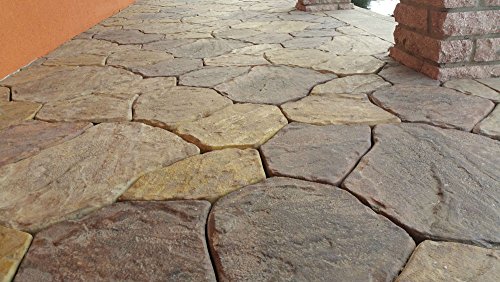
The SvitMolds set includes six pieces designed for creating pavement stones and garden walkways. Textures vary across the molds to produce distinct paving patterns. Each mold is framed in ABS plastic with a thickness around 1.5-2 mm, providing durable reuse for outdoor projects. The combined coverage area is about 0.37 square meters, enabling multiple in-progress sections or larger layouts as needed.
Skelang Hexagon Pavement Mold

Skelang’s hexagon pavement mold is a reusable plastic form measuring 11.4 by 11 inches with a 1.7-inch thickness. Made from ABS material, it emphasizes durability and easy cleaning after use. It’s designed for applying cement, concrete, or mud, with quick demolding to help complete garden pathways, patios, or walkways efficiently.
MWNAGO 2 Pieces Concrete Molds for Walkways

MWNAGO offers a two-piece set of square concrete molds, each measuring 15.7 by 15.7 inches and 1.4 inches thick. The molds are reusable and designed to help DIY enthusiasts exchange patterns for paving stones and garden paths. The product highlights include guidance on cement-to-sand ratios and a straightforward demolding process after curing to create decorative paving stones for patios or walkways.
BETONEX Pathmaker Concrete Molds

BETONEX Pathmaker molds offer a big, chestnut-shaped form designed to resemble large slabs for stepping stone or patio projects. The single mold measures approximately 19.7 by 19.7 by 1.96 inches, covering about 0.25 square meters per tile. The set emphasizes DIY usability and reuse for creating chunky, attractive concrete pathways and garden features with minimal effort and clean-up.
U0U Round Stepping Stone Molds (3 Sizes)

The U0U set includes three round stepping stone molds in sizes 10, 11.4, and 12.6 inches. Constructed from sturdy plastic, these molds are designed for reuse on garden paths, walkways, and patios. The assortment allows you to create varied layouts, and the shapes demold cleanly after the concrete cures, enabling visually engaging garden features.
Buying Guide
Key purchase considerations for foam and plastic concrete molds include material durability, ease of use, and mold compatibility with different cement mixes. Look for ABS or high-grade plastic for longer life, and check for a non-stick coating or mold release recommendations to simplify demolding. Size and pattern variety matter for achieving cohesive pathways or stepping stone designs, so select sets that offer multiple shapes and textures. Reusability and cleaning requirements influence long-term value, especially for outdoor projects exposed to weather. Consider whether you prefer larger single-mold paths or modular tiles that fit different yard layouts.
Texture and pattern options affect the final appearance; texture variety helps mimic natural stone while still maintaining a consistent build. For beginners, starter sets with clear usage instructions and straightforward demolding steps minimize trial and error. If you’re working on a larger area, prioritize molds with durable edges to resist cracking and imperfect corners. Finally, verify the mold dimensions against your planned layout to ensure proper coverage and minimize waste.