Best Super Glue for Plastic: Fast, Clear Bonds for Repairs
When repairing plastic items, selecting the right super glue matters for a clean, lasting bond. This guide highlights five top adhesives that perform well on most plastic surfaces, including ABS, acrylic, polycarbonate, and epoxy-finished plastics. We compare fast setting, gel versus liquid formulas, and dispensing options such as brushes and precision nozzles. Each product is evaluated on bond strength, drying time, clarity, and user control to help you choose the best glue for your DIY projects, crafts, and home repairs.
To help you compare at a glance, see the quick summary table below with the five selected products, their brands, and the key strengths for plastic bonding.
| Product | Brand | Key Strength For Plastic | Notes |
|---|---|---|---|
| Gorilla Clear Glue: Four 3g Tubes | GORILLA | All-purpose, fast-setting, crystal clear | Great for quick, multiple repairs |
| Loctite Gel Control: Clear | Loctite | No-drip gel for precise application | Ideal for vertical surfaces |
| Loctite Liquid: Clear, 2 Pack | Loctite | Fast sets, flexible bond, precise application | Self-piercing tube for clean use |
| GH1200 2-in-1 Brush Glue | GH1200 | Brush + nozzle for control and precision | Prevents clogging and wastage |
| Gorilla Glue With Brush & Nozzle | GORILLA | Two dispensing options, strong and clear | Suitable for diverse plastics |
Gorilla Clear Glue: Four 3g Tubes
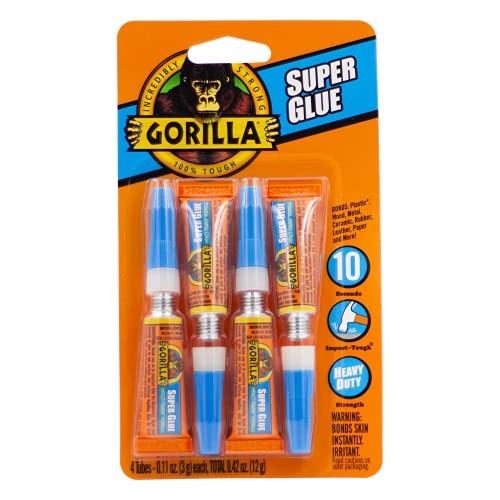
Gorilla Super Glue in a crystal-clear formula is designed as an all-purpose adhesive that dries nearly invisibly on many surfaces, including plastic. The bottle’s focus on speed makes it a strong choice for quick repairs, while the bond remains rigid enough for small, non-flexing joints. The product line’s “Impact Tough” engineering aims to withstand everyday use, resisting stress at the bond line. The four 3-gram tubes provide abundant small-dab capacity for multiple small repairs over time, which appeals to hobbyists and households with frequent fixes.
On plastic, this Gorilla glue forms a tight, clear bond that’s appropriate for light to moderate loads. Clean, dry surfaces yield the best results, and you’ll usually see a rapid set within seconds. Given the slim tubes, this option is practical for targeted fixes rather than large surface areas. While the glue performs well on many plastics, users should avoid highly flexible plastics or areas that will experience significant bending without additional mechanical support. Storage in a cool, dry place helps prevent premature curing in residual air.
Loctite Gel Control: Clear

The Loctite Gel Control formula emphasizes precision and minimal mess. The gel consistency is designed to resist slipping or running, making it well-suited for vertical applications and small plastic repairs where a strong bond is needed without excess squeeze. The 0.14 fl oz bottle is compact, yet the patented side-squeeze bottle assists with control, allowing pinpoint application on tight joints or intricate plastic parts. The gel cools to a clear bond, which is ideal for repairs where the adhesive should stay discreet.
In practice, this gel works well for bonding plastics to themselves or to other substrates (wood, metal) where a neat, controlled application matters. It’s less ideal for large, flat areas that require significant gap filling or flexible joints. For best results, apply a thin layer, press components together briefly, and allow full curing as directed. Remember to cap the bottle promptly after use to extend the adhesive’s life and prevent skin contact with the gel, which can be irritating if mishandled.
Loctite Liquid Glue — Clear, 2 Pack

Loctite’s Liquid version is a classic flexible cyanoacrylate that dries quickly and bonds a broad range of materials, including many plastics. The 0.07-ounce tube comes in a two-pack, offering quick re- restocks for ongoing projects. It’s designed for a strong bond with minimal clamping, setting in roughly 15 to 30 seconds depending on material and surface prep. The self-piercing tube reduces mess and makes it easier to control the amount dispensed, which is helpful when working on small, precise plastic repairs or crafts.
For plastic applications, the liquid formula shines on non-porous surfaces. It’s less forgiving on porous plastics or those requiring flexibility. As with most cyanoacrylates, warmer temperatures and moisture can accelerate curing, while overly wet surfaces may hinder adhesion. To maximize performance, clean and dry the bonding area, apply a thin layer to one surface, press quickly, and allow a full cure time for the strongest bond. Dispose of opened tubes responsibly and store in a cool place to extend shelf life.
Loctite Super Glue Professional Liquid

Loctite’s Professional Liquid is marketed as a heavy-duty option, delivering faster setting and stronger bonds on a wider range of surfaces, including many plastics. The formula emphasizes rapid cure with minimal clamping, aided by an extra-long nozzle for precise placement on tight joints. The quick-open/lock-closed cap is designed to prevent spills and clogging, which helps maintain a clean bonding process for longer, particularly with frequent repairs or professional-grade projects. Bond performance is solid on non-porous plastics and metal, with the caveat that some porous plastics may require surface prep.
For larger or more demanding jobs, this glue provides a more robust option than lighter formulations. It’s especially useful for repairs that benefit from a slightly longer working time before the bond sets, while still delivering rapid hardening. Users should follow safety practices, applying sparingly to avoid skin contact and protecting the bonded area while it cures. For best results, test on scrap plastic to determine the ideal layer thickness and ensure compatibility with the specific plastic grade involved.
GH1200 2-in-1 Brush Glue

GH1200’s 2-in-1 formulation combines a brush applicator with a nozzle to offer precise control and adaptability. The brush is designed to dispense the cyanoacrylate smoothly across uneven or larger areas, while the precision nozzle handles fine work or point bonds. The product is marketed as a “never dries out” formula, reducing caking and clogging that often plague glue tubes. It’s a versatile option for plastic repairs where you need both accuracy and a quick set, especially on small to medium surfaces where a brush can help distribute adhesive evenly.
The GH1200 adhesive claims a smooth flow and mess-free operation, which is valuable for craft projects or repairs on delicate plastic components. The clear finish keeps joints visually clean, making it suitable for items where aesthetics matter. As with other cyanoacrylates, ensure surfaces are clean and dry for best results. If you’re bonding porous plastics or flexible parts, consider a complementary method or different adhesive type to accommodate movement and absorption in the substrate.
Gorilla Glue With Brush And Nozzle

This Gorilla offering combines a brush applicator with a precision nozzle, enabling both broad coverage and targeted application on plastic joints. The dual dispensing method supports a flexible bonding approach, allowing you to choose the best delivery method for the task at hand. The product builds on Gorilla’s reputation for reliable performance and a strong bond across many materials, including plastic. The clear glue helps maintain a discreet bond line, which is important for visible repairs or craft projects where aesthetics matter. The 12-gram size provides ample adhesive for mid-sized jobs without frequent restocking.
In practice, the brush and nozzle pairing supports projects requiring both quick dab-and-go application and more controlled placement. For best results on plastic, work on dry, clean surfaces and avoid applying excessive amounts that can squeeze out at joints. Consider clamping lightly if needed, especially on larger areas, and allow full cure time before subjecting the bond to stress or moisture exposure. This option is well-suited for hobbyists and homeowners who value versatility and a strong, clear bond across plastics.
Buying Guide
Key purchase considerations
- Bond strength and application type: For quick, small repairs, gels or liquids that cure fast are ideal. For larger surfaces or joints that require precision, brushes or nozzle dispensing offer better coverage and control.
- Dispensing method: Side-squeeze bottles, brush applicators, and precision nozzles each suit different project sizes and user preferences. Gel formulas resist running on vertical surfaces, while liquids spread easily but may require clamping.
- Clarity and finish: Crystal-clear glues are preferred for visible joints. Some formulas dry with a slight haze on certain plastics; surface prep can minimize this effect.
- Surface compatibility: Plastics vary in porosity and flexibility. Non-porous plastics bond well with cyanoacrylates, while porous or flexible plastics may require specialty formulations or surface preparation.
- Set time and cure: Fast-set glues are convenient but can be less forgiving if misaligned. Some products offer longer working times or dual-action curing for complex assemblies.
- Durability under use: Rubber-toughened or impact-resistant variants perform better under daily wear, shocks, and vibrations, particularly for household items and small appliances.
- Safety and handling: Always work in a ventilated area, wear protective gear as needed, and store adhesives tightly sealed to prevent skin contact and skin irritation.
Practical tips and comparisons
For small plastic repairs, a gel or brush-on option can reduce mess and yield more precise bonds. If you expect movement or exposure to moisture, look for products that advertise impact resistance or rubber-toughened formulas. For electronics or heat-sensitive plastics, verify material compatibility and consider letting the bond cure fully before powering or exposing the item to heat. Always test on a scrap piece of the same plastic to gauge cure time, bond strength, and whether whitening or fogging occurs at the joint.
Choosing the right product for common scenarios
Household fixes such as broken plastic toys, cosmetic jewelry parts, or lightweight furniture pieces often benefit from a fast-set, clear adhesive with minimal clamping. For delicate crafts or projects requiring neat joints, a gel or brush-capable formula provides better control. When repairing larger plastic components or items exposed to stress, a stronger, professional-grade adhesive with a longer working time and higher bond strength should be prioritized. In all cases, surface preparation and clean, dry bonding surfaces are essential steps for reliable results.