Best Fleshing Knives for Hides: Essential Fur Handling Tools
Choosing the right fleshing knife is crucial for efficient fur processing, whether you’re tanning small pelts or prepping larger hides. This guide highlights five reliable options that balance control, edge retention, and user comfort. Each knife is designed for dual handling and precise fleshing, helping you remove fat and tissue without damaging the pelt. The following selections come from trusted brands and offer varying blade lengths to suit different hides and processing rhythms.
| Product | Brand | Blade Length | Highlights |
|---|---|---|---|
| Standard Fleshing Knife – 8″ | Standard | 8″ | Two-handled, balanced for control |
| Wiebe 12″ Dual Handle Fleshing Knife | Wiebe | 12″ | Dual handles, professional-grade stainless |
| Redneck Convent 12 Inch Fleshing Knife | Redneck Convent | 12″ | Double-handled, versatile for various pelts |
| Wiebe 8″ Dual Handle Fleshing Knife | Wiebe | 8″ | Compact dual-handle, precise control |
| Freedom Brand Standard Fleshing Knife – 10 Inch | Freedom Brand | 10″ | Made in USA, versatile for mink to mid-size pelts |
The following selections focus on balance between aggressive fleshing and careful skin preservation. Each product section provides a concise overview of design goals, blade geometry, and handling advantages backed by the listed features. When processing hides, consider blade length, handle ergonomics, and edge durability to maintain consistent results over time.
Standard Fleshing Knife – 8″

The 8″ Standard Fleshing Knife combines a compact, two-handled design with a balanced heft ideal for smaller pelts and tight control along the flesh line. The two-handled grip improves leverage when pushing fat and meat away from the pelt, helping maintain a smooth, even pass. While sized for ease of use, its edge geometry is enough to handle common hide processing tasks without aggressive undercut risk.
Key considerations for this knife include blade length and handle ergonomics. An 8″ blade is suitable for raccoon, muskrat, and similar sizes, while the two-handled setup supports steady, controlled strokes. For beginners or intermittent users, this model provides a straightforward entry point into professional fleshing without a steep learning curve.
Wiebe 12″ Dual Handle Fleshing Knife
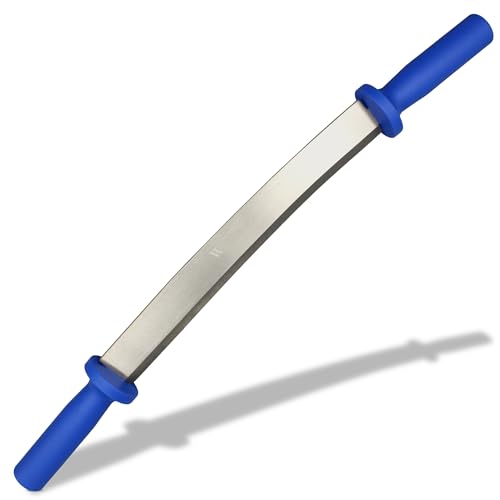
This 12-inch Wiebe fleshing knife emphasizes versatility and durability for professional fur handling. The long blade enables efficient removal of fat and tissue from larger pelts, including raccoon, fox, muskrat, and coyote. The dual-handle construction provides ergonomic leverage for extended fleshing sessions, reducing hand fatigue and promoting precise, even strokes along the pelt’s flesh line.
Features highlighted here include a high-quality stainless steel blade that resists corrosion and maintains an edge over many seasons. The beveled blade geometry supports controlled passes, while the dual handles offer firm, non-slip contact, helping maintain consistent pressure and reducing the risk of gouging or under-skin damage during fleshing.
Redneck Convent 12 Inch Fleshing Knife

The Redneck Convent 12-inch dual-handle model is designed to slice through fat and tissue while maintaining control along the inner pelt surface. Its double-edged blade and beveled construction enable a combination of pushing fat and slicing stubborn gristle, making it a versatile choice for skinning plus fleshing tasks. The design aims to glide smoothly along a fleshing beam, providing precise movements and reducing the risk of accidental damage to delicate hide areas.
Practitioners should consider blade edge sharpness and hand position when using this knife. The beveled edge helps ensure a clean pass across the pelt, while the dual handles offer stabilizing leverage. For pelts requiring more aggressive fat removal, this model provides a robust option without sacrificing control.
Wiebe 8″ Dual Handle Fleshing Knife
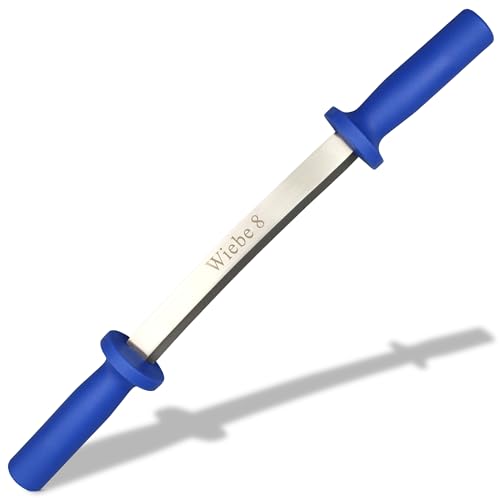
The 8″ Wiebe model provides a compact, dual-handle solution for precise fleshing tasks on smaller to mid-sized pelts. The ergonomic handles contribute to better leverage and control during demanding fleshing sessions, helping users apply even pressure along the hide. The stainless steel blade is designed to resist corrosion and stay sharp across multiple uses, making it well-suited for recurring fur processing workflows.
With an 8-inch blade, this knife is particularly suitable for raccoon, fox, and similar hides, where detailed work is essential to prepare the pelt for tanning. The combined design keeps the weight balanced to reduce the risk of accidental skin damage during rigorous fleshing motions.
Freedom Brand Standard Fleshing Knife – 10″

The Freedom Brand 10-inch fleshing knife emphasizes versatility for low to medium-volume fur processing. Made in the USA, this knife caters to a range of hides from mink to mid-sized pelts. The 10-inch blade length provides a balance between reach and maneuverability, while the standard single- or dual-handle setup offers a reliable grip for controlled fleshing. This model suits users who process a mixed bag of pelts or who prefer a straightforward, durable option for routine fleshing tasks.
Practical considerations for this knife include availability of blade length variants (10″, 12″, 16″) to accommodate different production scales. For hobbyists or small shops, the 10″ offers a manageable footprint with respectable edge life and stability during sustained fleshing sessions.
Buying Guide: Key Purchase Considerations
Blade length and geometry: Shorter blades excel at detailed work on small pelts, while longer blades handle larger hides with fewer passes. Beveled edges help maintain a clean flesh line and reduce the risk of tearing.
Handle design and ergonomics: Dual-handled positions distribute pressure evenly and lessen fatigue during extended fleshing. Non-slip materials improve control in wet or fat-rich conditions.
Material quality and edge durability: Stainless steel blades resist corrosion and maintain sharpness over many sessions. Consider hardened steel with good edge retention for frequent use.
Weight balance: A well-balanced knife reduces wrist strain and improves feel along the pelt. Manufacturers often tune weight distribution for optimal fleshing leverage.
Maintenance and accessories: Look for knives that are easy to sharpen and clean. Some models come with protective sheaths or sharpening guides to extend lifespan.
Cost vs. volume needs: For hobbyists, a reliable mid-range knife may suffice. For professional or high-volume operations, investing in a durable, stainless steel model with a longer blade can improve throughput and consistency.
Usage context: If your workflow includes both skinning and fleshing, prioritize dual-handle designs with ergonomic grips and blades suited to a variety of pelts. For very small hides, an 8″ blade may be ideal; for larger pelts, a 12″ blade can reduce the number of passes required.
Safety and technique: Always work with a stable fleshing beam or table, maintain a consistent angle, and keep fingers away from the blade edge. Regular sharpening ensures reliable performance and minimizes pelt damage.
In sum, the right fleshing knife balances blade length, handle ergonomics, and blade durability to support efficient fur processing. The five options above represent a spectrum from compact to longer, dual-handled models suitable for a range of hides and processing styles.