Best Wall Scanner for Pipes: A Comprehensive Guide for DIYers and Pros
Choosing the right wall scanner for pipes can prevent costly damage and drilling mistakes. This guide highlights top wall scanners that excel at detecting pipes, studs, wires, and other hidden elements behind walls. We compare detection depth, modes, and user experience to help you pick a tool that fits homes, renovations, or professional work. Below are five standout products with quick-reference details.
| Product | Key Detection | Depth Range | Best For |
|---|---|---|---|
| Walabot DIY 2 | Wood/Metal Studs, Pipes, Wires | Variable with visualization | Visual confirmation |
| Franklin Sensors ProSensor M210 | Studs, Live Wires | Wide width of studs | High accuracy |
| Bosch GMS120-27 | Live Wires, Wood/Steel Studs | Standard drywall depth | Clear results |
| FNIRSI WD-02 | Studs, Metals, Wires | 1.5″ stud, 4.7″ metal, 2″ AC | Versatile detection |
| Povlen Stud Finder | Wood, Metal, Pipes, Wires | Up to 2″+ for modes | Multiple modes |
Walabot DIY 2 – Visual Stud Finder & Wall Scanner

The Walabot DIY 2 uses advanced imaging to visually identify the center of wood and metal studs, as well as the location of pipes and wires behind drywall. It connects to your phone via Wi‑Fi for real-time viewing, enabling precise navigation before cutting. While it requires setup, the visual feedback reduces guesswork when locating pipes or conduits.
Franklin Sensors ProSensor M210
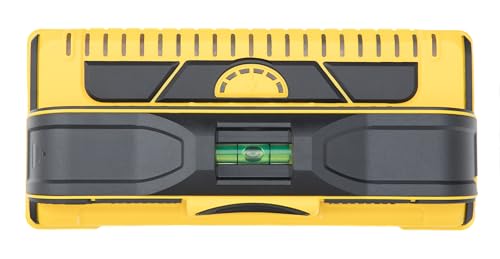
The ProSensor M210 emphasizes accuracy with 13 sensors and a wide LED display showing the stud’s center and edges simultaneously. It includes a live wire detector for safety during drilling. This model is designed for professional-grade precision and quick confirmation of object edges, making it a strong choice for projects involving pipes and wiring behind walls.
Bosch GMS120-27 Wall Scanner

The Bosch GMS120-27 offers quick, clear detection of live wires, metals, and wood/steel studs behind drywall. It features color-coded marking holes and center indicators to streamline detection. It’s designed for straightforward use and provides reliable results for typical interior renovations, quick checks before drilling or cutting through walls.
FNIRSI WD-02 TFT Display Stud Detector

FNIRSI’s WD-02 adds a TFT display with a positioning hole for precise center and edge marking of wood and metal studs, as well as live AC wires and pipes. It offers three gears with multiple sensitivities and substantial detection depths: wood up to 1.5″, metal up to 4.7″, and AC wires up to 2″. This makes it a versatile choice for complex wall assemblies.
JAXWQ Stud Finder – 5 in 1
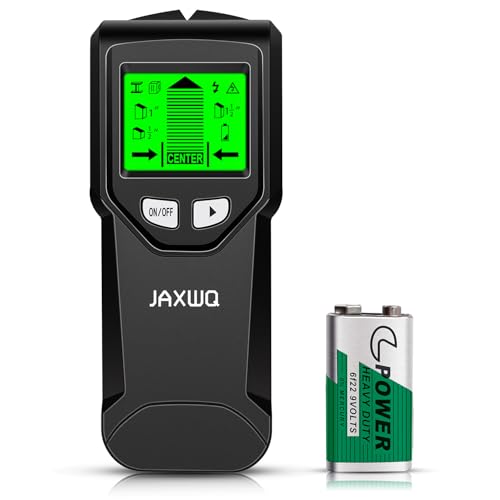
The JAXWQ 5 in 1 combines a high-sensitivity sensor with an intuitive LCD display that shows the center and edges of detected studs, pipes, and live wires. It emphasizes rapid detection, has audible alerts, and supports multiple scanning modes to handle wood, metal, and concealed plumbing behind walls, ceilings, and floors. It’s positioned as a practical all-in-one tool for DIYers and professionals alike.
Buying Guide: Key Purchase Considerations
When selecting a wall scanner for pipes, consider detection depth, material differentiation, and user interface. Depth ratings vary by material: wood studs, metal studs, and pipes require different sensing capabilities. A device with separate modes for studs, metal, and wires provides the best versatility for renovation projects and plumbing work behind walls.
Visual versus auditory feedback matters. Some devices like Walabot DIY 2 offer visual imaging that shows exact locations, which can reduce mistakes. Others rely on beeps or LEDs; clear indicators help in low-light spaces or busy jobsites. LCD displays with backlighting improve readability.
Accuracy and speed are critical for pipe-related jobs. Devices with multiple sensors, high-resolution displays, or dense sensor arrays deliver more precise centers and edges, reducing the risk of accidental drilling into pipes. Live-wire detection is a safety feature that protects against electrical hazards during installations or repairs.
Ease of use and compatibility should be evaluated. Some models pair with smartphones or require calibration steps before use. For contractors or frequent users, ergonomic design, battery life, and durability under dust and impact are important considerations.
Environmental suitability matters too. Drywall, plaster, wooden walls, and concrete or brick require different detection strategies. Check the manufacturer guidance for best results on your wall type and surface texture.
In sum, the right wall scanner for pipes blends depth capability, clear feedback, and dependable accuracy. The products highlighted here cover a range of budgets and preferences—from visual display to simple beeps and color-coded results—so you can select a tool that integrates smoothly into your workflow and minimizes drilling risks.