Best Post Hole Digging Tools for Fences, Posts and Landscaping
Choosing the right tool to dig holes for posts can save time and reduce back strain on big fencing or planting projects. This guide reviews five highly-rated manual and electric options designed for durability, comfort, and efficient soil penetration. Each product highlights sturdy blades, ergonomic handles, and reliable construction to handle tough ground.
| Product | Brand | Key Feature |
|---|---|---|
| Fiskars 60″ Steel Posthole Digger | Fiskars | Long handle and hardened blade for deep, precise holes |
| VNIMTI Post Hole Digger | VNIMTI | Fiberglass handle with non-slip grip and reinforced joints |
| Nohovu Post Hole Digger | Nohovu | Carbon steel blades with thickened fiberglass handles |
| AMES 2701600 Post Hole Digger | AMES | Tempered steel blade with comfortable cushion grip |
| DAKEPOLE Post Hole Digger | DAKEPOLE | 38″ height with non-slip T-handle for upright digging |
Fiskars 60″ Steel Posthole Digger
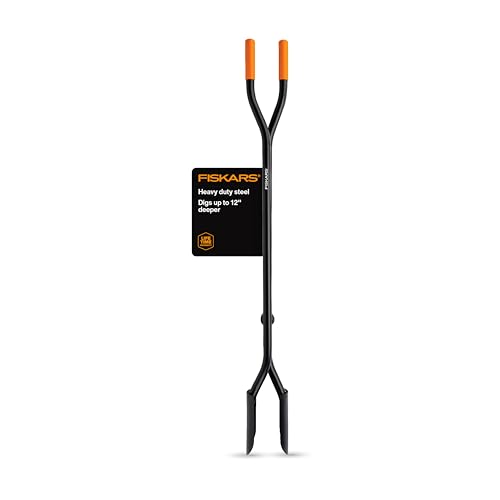
The Fiskars posthole digger is designed for deep, precise digging with a long steel shaft and blade. The offset handles reduce knuckle contact and allow users to work from a comfortable stance, enabling holes up to 12 inches deeper than traditional models. The sharpened blade slices through compact soil and turf, while the welds and steel frame deliver long-term reliability for fence or deck projects. This model emphasizes durability, ease of use, and stable performance in tough soil conditions.
VNIMTI Post Hole Digger

VNIMTI offers a heavy-duty option with a fiberglass handle that balances light weight and strength. The blade is built from high-strength steel, providing sharp cutting capability and impact resistance for hard or rooted soil. The handle features a non-slip grip at the top for better control, and the design emphasizes a reliable, double-reinforced joint between steel head and fiberglass handle to withstand harsh use.
Nohovu Post Hole Digger
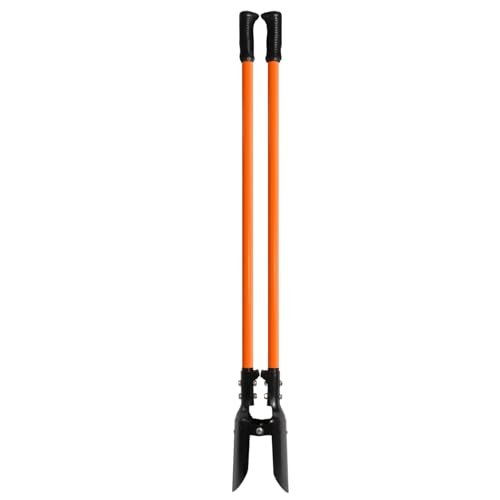
Nohovu pairs carbon steel blades with thickened fiberglass handles, delivering stiffness and durability for frequent digging tasks. The blades are sharpened with curved edges to help penetrate hard soil quickly, while the fibreglass handles provide a sturdy grip and resistance to bending. The joints use four strong screws to keep the head securely connected, making it suitable for demanding outdoor projects.
AMES 2701600 Post Hole Digger

AMES provides a classic design with a tempered steel blade and an oversized cushion grip for comfort during extended use. This tool is well-suited for digging fence posts and in-ground supports for decks and mailboxes. The blade’s durability helps maintain edge retention while performing repetitive digging tasks, contributing to consistent performance across job sites.
DAKEPOLE Post Hole Digger

DAKEPOLE offers a 38-inch standing-dig design with a spiral blade that reduces bending and back strain. The T-handle is non-slip and textured for a secure grip during rotation, making it suitable for installation projects requiring repeated holes. The 4-inch wide spiral blade penetrates soil smoothly, pulling dirt upward to create clean, cylindrical holes with minimal disruption.
Buying Guide: Key Considerations For Post Hole Diggers
- Soil type and depth: Hard, rocky, or clay soils may require sharper blades and sturdier materials. Longer handles reduce bending but add weight, so choose a model that matches your typical digging depth.
- Blade design and strength: Carbon steel and high-strength steel blades offer durability and cleaner cuts. Look for sharp edges and reinforced connections to the handle.
- Handle material and grip: Fiberglass handles with non-slip grips minimize fatigue and improve control. Cushioned grips further reduce hand strain during extended use.
- Ergonomics: Long-handled models reduce knee and back strain by allowing upright digging. Consider offset or angled handles to protect knuckles in deeper holes.
- Portability and weight: Lighter, manual options are easier to maneuver, while longer handles provide leverage for deeper holes. Electric augers offer speed for large jobs but require power sources.
- Maintenance: Check for secure head-to-handle connections and rust-free blades. Proper cleaning after use extends tool life and prevents corrosion.
- Intended use: Fence posts, decks, planters, and bulbs may call for different blade shapes and shaft lengths. Match the tool to the common hole diameter and depth you need.
- Safety: Wear gloves, eye protection, and sturdy footwear. Keep bystanders away from the digging area when operating augers or long-handled diggers.