Best Brick Molds for Cement: Create Durable, Decorative Pathways and Walls
Brick molds for cement enable DIY enthusiasts to cast realistic bricks, pavers, and decorative wall tiles for gardens, patios, and walkways. This guide highlights five top options, comparing texture, durability, and reuse potential. Whether you’re building a small garden border or a larger walkway, these molds help you shape concrete with consistent, professional results.
Buying summary table: This table provides quick references to the five highlighted products, including brand and standout feature.
| Product | Brand | Key Feature |
|---|---|---|
| Old Brick Stone Concrete Mold BS 611/1 | GlobMarble | Authentic antique brick texture, reusable for multiple pours |
| BETONEX 6 pcs Flagstone Molds | BETONEX | Six textures for varied flagstone appearances, reusable |
| Brick Concrete Molds, DIY Paving Mould | Generic | DIY-friendly stepping stones for garden paths |
| AZURAOKEY 5 Pcs Brick Template | AZURAOKEY | Portable, easy-to-use path maker with stylish road patterns |
| Skelang Hexagon Pavement Mold | Skelang | Compact hexagon design for modern garden paths |
Old Brick Stone Concrete Mold BS 611/1

The BS 611/1 mold set provides a flat mold area totaling about 3 square feet with 18 sections, designed to cast authentic old-brick textures for patios, facades, and pathways. Each section measures roughly 7.5 inches by 2.25 inches by 0.5 inches, offering a realistic brick appearance when arranged. Made from durable, reusable materials, these molds support multiple pours with proper release agents, enabling repeated use for expansive walkways or wall cladding. This option suits projects aiming for a classic brick aesthetic without professional installation.
BETONEX 6 Pcs Flagstone Molds
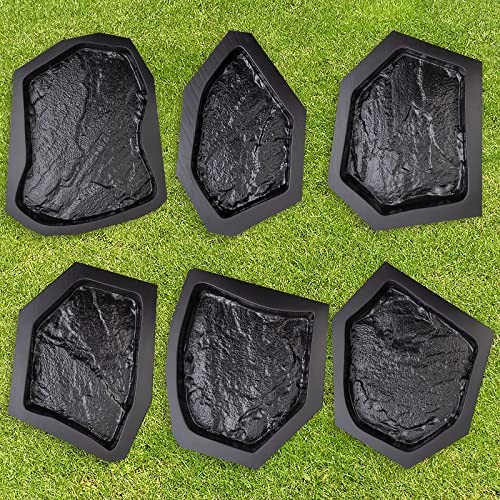
This set includes six flagstone textures designed to reproduce natural stone appearances for garden paths and walkways. The molds are lightweight, easy to use, and reusable, capable of producing more than 50 tiles for larger installations. They’re suitable for patios, borders, and stepping-stone layouts, offering flexible design options while maintaining a natural stone feel.
Brick Concrete Molds, DIY Paving Mould Path Maker

This DIY-friendly stepping stone mold helps homeowners create charming garden pathways with no prior experience. Simply fill with cement, smooth the surface, and remove the mold to reveal a neat, durable stone. The polypropylene construction supports repeated use in outdoor projects, and the design allows for personalized brick layouts in patios, walkways, and garden paths.
AZURAOKEY 5 Pcs Brick Template

Designed for DIY enthusiasts decorating garden roads, this 5-piece set offers a practical path-making solution for terraces, paths, courtyards, and sidewalks. Each mold has a rectangular footprint (about 22 by 25 by 6 cm), producing smooth, easy-to-clean surfaces once filled with concrete. The assortment supports varied road patterns, enabling creative layouts in small or larger outdoor areas.
Skelang Hexagon Pavement Mold

This hexagon paving mold measures roughly 11.4 by 11 inches with a height of 1.7 inches. Made from durable ABS plastic, it’s designed for repeated use with cement or mortar. The compact form is ideal for creating modern, interlocking patio or garden paths. It’s essential to ensure correct sizing before pouring and demolding to maintain an even surface across the installation.
LCMOLDS Windmill Breeze Brick Molds

LCMOLDS’ windmill-inspired brick molds enable decorative wall accents and patterned tiles. The molds are reusable, and the windmill motif adds visual interest to garden walls or interior accent panels. They provide multiple tiling options, allowing for creative layouts in a range of outdoor spaces, from feature walls to decorative screens.
LCMOLDS Plastic Concrete Forms Breeze Brick Molds

This set showcases breeze brick molds with a double square design for garden walls and pathways. The molds are injection-molded to ensure durability and repeatable texture, with the ability to produce over 50 tiles for larger installations. It’s a practical choice for creating coordinated wall textures or decorative paving in a cohesive look.
Buying Guide: Key Considerations for Brick Molds For Cement
- Texture and style: Choose textures that match your desired aesthetic—antique brick, flagstone, or modern geometric patterns. Consider whether you want a classic look or a contemporary, interlocking layout.
- Material and durability: Reusable polypropylene and ABS plastic are common for long-term use. Look for molds that resist cracking and can be cleaned easily between pours.
- Size and modularity: Larger molds reduce joints but may require more careful leveling. A set with multiple shapes supports varied patterns and extensions to larger projects.
- Ease of use: For beginners, look for simple release processes, smooth interior surfaces, and clear instructions. A low-friction release agent helps demold without damage.
- Project scope: Assess whether you’re building a small path or a full patio. Sets that include multiple textures or a mix of shapes provide more design flexibility for expansive areas.
- Maintenance and storage: Durable molds are easier to clean and store. Consider whether the mold stacks neatly and tolerates outdoor storage in your climate.
- Safety considerations: When working with cement, use gloves, eye protection, and proper ventilation. Ensure your work area is level and stable to prevent misalignment during curing.
- Compatibility with other materials: Some projects blend bricks, pavers, or decorative stones. Ensure your chosen molds align visually with surrounding landscaping materials.
In summary, selecting brick molds for cement hinges on texture variety, reuse potential, and project scale. The five options highlighted here span classic brick textures to modern geometric patterns, offering practical solutions for DIY paths, walls, and decorative features.
Notes on Usage and Design Planning
Plan the layout before pouring cement. Dry-fit rough placements, then prepare your concrete mixture according to the mold requirements. Use a release agent on the interior surfaces to extend mold life and ensure clean demolding. For outdoor installations, cure times and weather considerations affect final strength; follow product guidance for best results.