Best Tools for Project Planning to Stay Focused and Finish Fast
Effective project planning relies on the right tools that translate big ideas into clear actions. The following selections are designed for American professionals seeking structured layouts, progress tracking, and actionable tasks. Each option supports planning, prioritizing, and execution, helping teams stay aligned from kickoff to completion. Read on to compare top planners and pick the one that best fits your workflow and mindset.
| Product | Brand | Key Focus |
|---|---|---|
| GROWTH ATLAS Project Map Desk Pad | GROWTH ATLAS | Big goals to clear steps, visual progress |
| BestSelf Project Action Pad | BestSelf Co. | Daily tasks, action planning, to-do lists |
| How to Make Workbenches & Shop Storage Solutions | Fox Chapel Publishing | Project guides for workshop efficiency |
| The Anti-Planner | The Anti-Boring Project | Creative ADHD-friendly planning |
| Two Tumbleweeds Project Planner Notepad | Two Tumbleweeds | Structured project phases and tasks |
GROWTH ATLAS Project Map Desk Pad
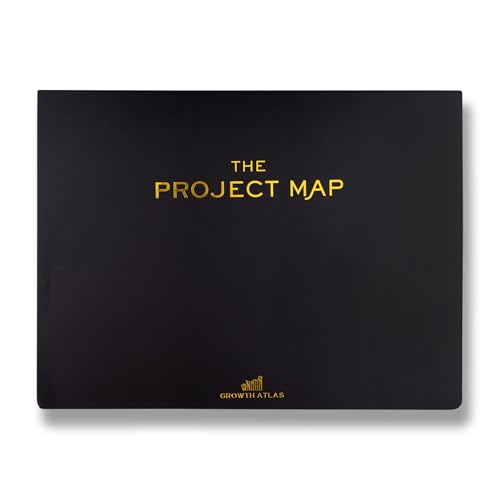
Turn big ideas into actionable steps with a one-page planner that blends daily and weekly views. The layout emphasizes visual progress tracking, helping owners break complex goals into clear steps. Designed by a business coach, it supports beating procrastination, maintaining consistency, and leading projects with clarity.
Key features include: turning big ideas into actionable tasks, visual progress tracking with a simple weekly layout, and a productivity mindset geared toward sustained project completion. This tool is especially helpful for business owners who want a focused, repeatable planning routine.
BestSelf Project Action Pad
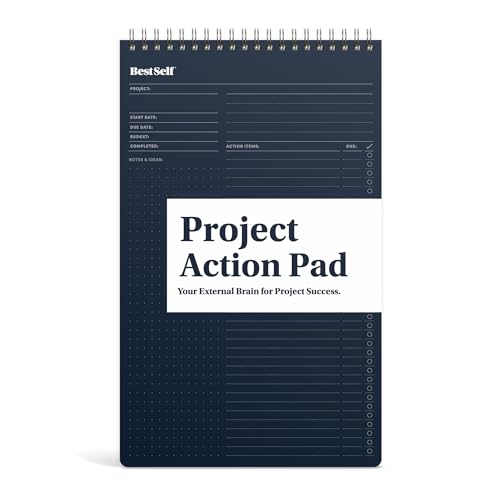
The BestSelf Project Action Pad is a one-page task planner and to-do list notepad designed to break down multi-task goals into a clear plan of action. It doubles as a portable productivity tool for work, school, or life, helping you stay organized and on track.
Its features include a master to-do list with a start date, due date, budget, and completed date, along with sections for prioritizing daily tasks. The sleek, undated daily planner supports quick updates and easy tear-off use, making it suitable for fast-paced project work.
How to Make Workbenches & Shop Storage Solutions
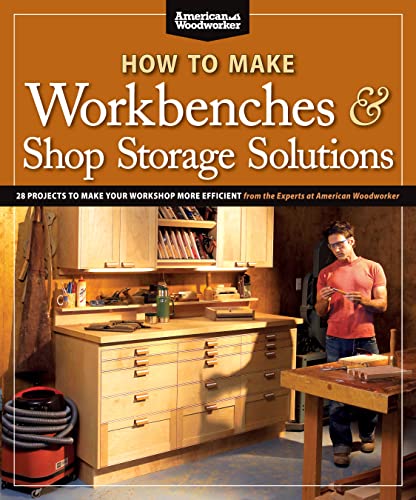
This reference book provides practical guidance for workshop efficiency, featuring projects such as torsion boxes and outfeed tables. It supports project planning by offering concrete approach examples and step-by-step instructions that can inform larger planning efforts.
Note: This is a used book listing. While not a digital planning tool, it offers hands-on guidance that can inspire planning methods and layout ideas for shop projects and organizational workflows.
The Anti-Planner: How to Get Sh*t Done When You Don’t Feel Like It
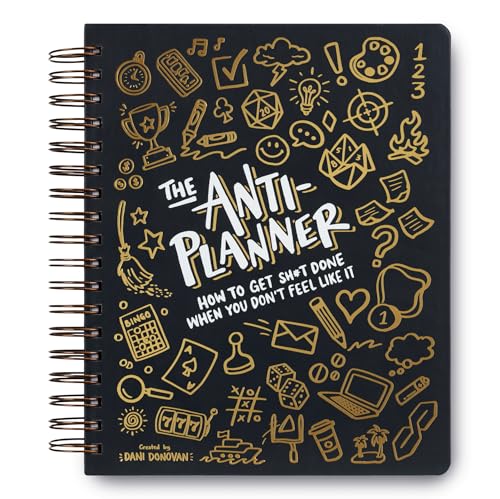
The Anti-Planner offers a creative, ADHD-friendly approach to planning, featuring over 165 strategies and activities to make tasks engaging rather than daunting. It includes daily tools with comics, coloring pages, and intuitive layouts that simplify focus and task management.
Ideal for adults seeking alternative methods to traditional planners, this option emphasizes enjoyable, low-stress ways to track progress and complete actions.
Two Tumbleweeds Project Planner Notepad

The Two Tumbleweeds planning pad is a compact 7 x 10” tool designed for project management with a built-in checklist, action items, and notes sections. It supports outlining goals, assigning tasks, setting deadlines, and tracking progress in a single notebook.
With 50 sheets per pad, it offers a steady cadence for coordinating work and school tasks, making it suitable for ongoing project cycles and frequent updates.
Buying Guide: Key Considerations For Choosing A Project Planning Tool
Choosing the right tool depends on how you work, team size, and the type of projects you manage. Start by clarifying your planning style: do you need a visual progress tracker, a simple daily task pad, or a comprehensive project map?
- Planning scope: One-page planners are quick to update and great for daily momentum. Multi-page pads suit larger, longer-term projects with milestones.
- Layout and usability: Consider whether you prefer weekly views, master to-dos with due dates, or a blend of both. Undated formats offer flexibility but require discipline.
- Collaboration needs: If you work in a team, decide whether a physical planner suffices or you also need digital integration, cloud sharing, or real-time collaboration features.
- Consistency and habit formation: Tools designed by coaches or ADHD-friendly layouts can help sustain routines and reduce procrastination.
- Durability and portability: Desk pads are ideal for a fixed workspace, while compact notepads suit on-the-go planning and quick references.
Buying Guide: Comparing Tools By Use Case
For fast-moving projects, a daily action pad like the BestSelf option can offer immediate clarity and accountability. If you manage complex initiatives across weeks, a larger desk pad with weekly progress markers can help maintain a big-picture view. ADHD-friendly planners and creative formats can reduce planning fatigue and encourage consistent use. Finally, practical project references, such as workshop guides, can supplement planning with hands-on methods that translate to real-world workflows.
Buying Guide: How To Use These Tools Effectively
Start with a clear objective for each project. Break goals into actionable steps and assign deadlines. Use weekly views to review progress and adjust tasks as needed. Keep a consistent routine, updating the planner at the same time daily or weekly. For teams, align on shared milestones and use the planner to communicate status and next steps.