Best Tools for Autistic Adults: Top Sensory Aids and Communication Devices
Finding effective tools for autistic adults can support communication, focus, and stress relief in daily life. This guide highlights five carefully chosen products designed to help nonverbal and verbal adults alike, including sensory toys, communication devices, and trusted coping aids. Each item is described with objective details and practical use cases, helping readers compare options for home, work, or therapy settings.
Summary of selected products:
| Product | Brand | Key Use |
|---|---|---|
| Scientoy Fidget Toy Set | Scientoy | Stress relief, focus, classroom or work use |
| Xylira AAC Device | Xylira | Nonverbal communication, daily needs, expressions |
| ARK Textured Grabber XXT | ARK Therapeutic | Oral motor therapy, sensory input |
| Letz Talk Conversation Cards | Letz Talk | Social interaction, conversation practice |
| Sensory Fidget Toys by TIKWORK | TIKWORK | Calming tactile input, focus and reducing anxiety |
Scientoy Fidget Toy Set for Sensory Stimulation
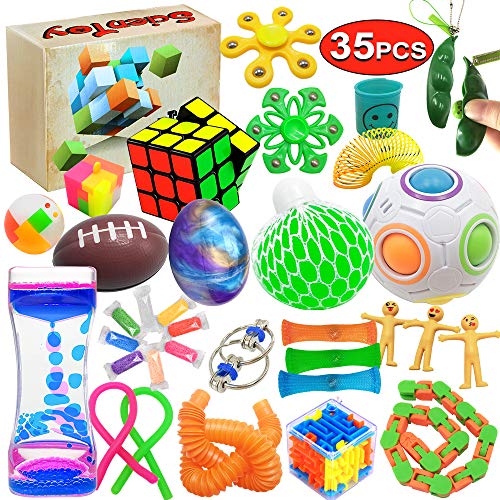
The Scientoy set offers a 35-piece collection of sensory toys, including a rainbow magic ball, liquid motion timer, squeeze grape ball, maze puzzle, mesh& marble fidget toys, foam putties, a pop tube, and more. Materials are described as non-toxic ABS and durable plastics, designed to meet safety standards. The variety supports different sensory needs—tactile, visual, and proprioceptive input—making it suitable for adults who benefit from repetitive or exploratory play to reduce anxiety and improve concentration. The included gift packaging also makes it a ready-made present for support teams or caregiving contexts.
Potential advantages include broad activity options in one package, which can reduce decision fatigue when selecting tools for calming or focus breaks. Some consumers may appreciate the structured assortment for sensory breaks at work or in therapy. Users should consider individual sensitivity to textures and the potential for small parts with certain activities, and ensure age-appropriate use for adult audiences seeking discreet, portable options.
Xylira AAC Device for Nonverbal Communication

The Xylira AAC device is designed for immediate use, featuring 28 pre-programmed buttons with clear icons for essential needs and feelings, plus six recordable buttons for personalized phrases. It emphasizes clarity in noisy environments with a high-power speaker and adjustable volume, supporting intelligible communication in classrooms, homes, or public spaces. The device targets both basic daily needs—such as thirst, hunger, or bathroom needs—and emotional states, offering a practical bridge for nonverbal adults and children to express themselves efficiently.
Considerations include the device’s durability and learning curve, which may be influenced by the user’s familiarity with technology. The ability to personalize content and the clear iconography are strengths for rapid adoption. Accessibility features, battery life, and compatibility with other assistive tools may also influence long-term value for daily communication.
Fairy’s Gift Candle: Autism-Inclusive Comfort Gift
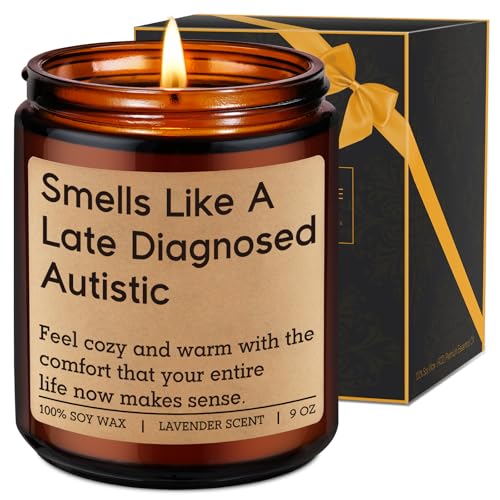
Fairy’s Gift Candle presents a sensory-friendly gift option with lavender notes and a calming scent profile designed for reflection, meditation, and relaxation. Marketed toward autistic adults and other neurodivergent individuals, the candle emphasizes acceptance and supportive messaging through its branding and presentation. Fragrance is described as a blend of floral and herbal notes, suitable for quiet time, yoga, or therapeutic settings. The product is positioned as a thoughtful self-care or gifting option that acknowledges neurodiversity and promotes a sense of inclusion.
As a sensory product, it provides an olfactory stimulus rather than a tactile one, appealing to users who benefit from calm environments without overt stimulation. Availability and personal scent preferences can affect suitability; individuals with fragrance sensitivities should consider ingredients and intensity before use in shared spaces or workplaces.
DODOLOL Slap Bracelets: Textured Calming Fidgets

These textured slap bracelets combine discreet wearable design with tactile stimulation. The set includes multiple bracelets featuring varied textures to provide calming input whether at school, work, or on the move. They are described as soft silicone with a flexible core, making them comfortable for long wear and easy to clean. The product aims to ease anxiety and improve focus through repetitive, simple gestures that can be performed discreetly in public environments.
Strengths include portability and passive engagement, which can be particularly useful for adults who need unobtrusive tools during meetings or commuting. Limitations may concern texture preferences and durability under daily use. Careful testing of individual textures can help identify the best match for a given user’s sensory profile.
ARK Textured Grabber XXT: Chew and Soothe

The ARK Textured Grabber XXT provides an oral motor chew tool with multi-textured surfaces designed to calm and focus through sensory input. Safe, durable materials support extended use, and the design aims to improve biting and chewing skills while strengthening jaw muscles. It is described as suitable for users aged three and up, including adults who rely on sensory feedback to regulate arousal and attention during daily activities.
Considerations include the preference for oral motor tools and the potential need for gradual introduction to avoid over-stimulation. Medical or therapy guidance may help tailor usage to individual sensory needs and avoid any dental concerns or safety issues with long-term chewing.
Letz Talk Conversation Cards for Autism
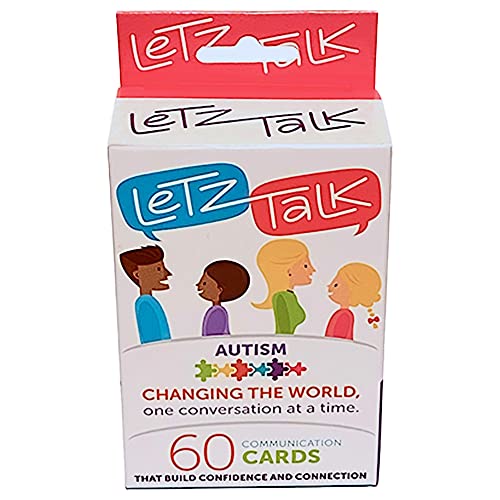
Letz Talk cards are designed to spur communication and social interaction for autistic individuals, featuring 60 age-appropriate prompts. The cards aim to build confidence, social-emotional intelligence, and conversation initiation skills in family or therapeutic settings. By facilitating open-ended discussion, these tools support users in expressing thoughts and feelings, which can be especially beneficial for nonverbal or selectively verbal adults.
Usage considerations include choosing prompts aligned with the user’s comfort level and current communication goals. The deck can function as a companion to therapy or as a daily practice tool at home, helping to reduce anxiety around social situations by providing a predictable framework for dialogue.
Sensory Fidget Toys for Adults and Teens by TIKWORK

These six flexible fidget sticks use durable silicone with varied textures to deliver tactile input, aiding focus, stress relief, and fine motor skills development. Users can twist, bend, pull, and rotate the sticks to produce calming effects and potential ASMR-like responses. They are CPC certified for safety and designed to work across home, work, and travel contexts, including classroom environments where discreet use is desirable.
Strengths include tactile variety and portability, alongside a design that supports multiple activities from simple manipulation to more complex maneuvers. Consider texture preferences and the user’s level of tolerance for silicone materials, as some individuals may respond more positively to certain textures or color schemes.
Buying Guide: Key Purchase Considerations
- Communication needs: For nonverbal adults, devices like AAC tools can provide essential daily support, while conversation cards help with social skills and confidence in everyday interactions.
- Sensory profiles: A mix of tactile, visual, and olfactory tools covers a broad range of preferences. Begin with a few items to gauge comfort and adjust based on responses.
- Portability and discreet use: Slap bracelets, travel-friendly fidget sticks, and compact toys are better for work or public settings where distraction should be minimized.
- Safety and materials: Look for non-toxic, durable materials and age-appropriate design. Check for safety certifications and physician or therapist recommendations when using oral motor tools.
- Therapy alignment: Tools that align with occupational or speech-language therapy goals may provide better long-term benefit and measurable progress.
- Maintenance: Ease of cleaning and battery life (for electronic devices) influence long-term usability and cost.
- Personalization: Devices with programmable or recordable features enable users to express individuality, which can improve engagement and effectiveness.
In choosing tools for autistic adults, consider a combination of communication support, sensory regulation, and social interaction aids. A balanced kit can address needs in home, clinical, and community settings, supporting autonomy and well-being without overstimulation.