Best Grinder Jig for Sharpening: Precision Tools for Sharp Lathe Turning Edges
Sharpening turning tools with the right jig can transform a difficult task into a quick, repeatable process. This guide compares top grinder jigs designed for 6″ and 8″ bench grinders, highlighting how each helps you achieve consistent bevels, precise edge angles, and longer-lasting tools. The selections below focus on versatility for chisels, gouges, bowl and spindle tools, and scrapers. Read on to find the best fit for your workshop setup and sharpening workflow.
Summary of Selected Products
| Product | Brand | Grinder Size | Key Benefit |
|---|---|---|---|
| Peachtree Pro Grind Sharpening System (8 Inch) | Peachtree Woodworking Supply | 8″ | Multi-grind capability with setup blocks and quad jig for precise edge shaping |
| Oneway Wolverine Grinding Jig | Oneway | 8″ | Vee-Arm precision arm for wide chisels and negative-angle bevel control |
| Peachtree Pro Grind Sharpening System (6 Inch) | Peachtree Woodworking Supply | 6″ | Compact, repeatable sharpening with versatile jig system |
| VEVOR Multi-Grind Sharpening System | VEVOR | 6″ & 8″ | Variable methods with platform, long arm, and fingernail gouge jig |
| GrindMaster Lathe Tool Sharpening Jig (8″) | Savannah | 8″ | Quad setup for precise angles across tools; durable, repeatable results |
Peachtree Pro Grind Sharpening System — 8 Inch

The Peachtree Pro Grind system centers on three sharpening methods, designed to accommodate a broad range of turning tools—from chisels and gouges to bowl and spindle tools. The included Multi-Grind Jig shapes bowl gouges, side grinds (Ellsworth/Liam O’Neil styles), and fingernail profiles for spindle work. A robust arm supports consistent bevels, while the tool rest bar helps maintain precise edge control without removing excessive material. The system accepts tools up to 1.125” diameter, enabling reliable, repeatable results for many workshop tools.
Key features include a comprehensive set of setup tools and a design focused on repeatability. The PRO GRIND system aims to reduce variance between sharpening sessions, helping you reproduce edge geometry reliably. If your shop emphasizes variety—from carving gouges to straight razorsharpening—this setup offers a broad, all-in-one solution, especially for 8″ grinders.
Oneway Wolverine Grinding Jig
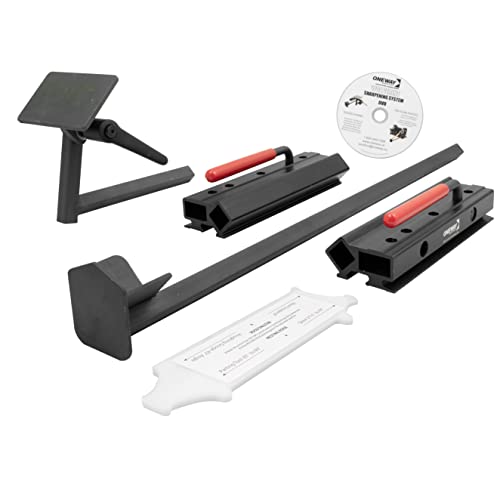
The Oneway Wolverine Grinding Jig is a staple for woodworkers seeking razor-sharp edges and precise bevels. Its Vee-Arm system allows sharpening with controlled light cuts and sideways motions, making it suitable for wide chisels up to 1-1/4″ wide. The included adjustable 3 x 5 inch platform helps manage large scrapers and tools, enabling stable grinding across a variety of angles. The setup supports refined bevel control and repeatability, reducing time spent on touch-ups and strops to achieve a smooth edge.
This jig emphasizes a balance between versatility and simplicity. It is particularly well-suited for users who regularly work with chisels, scrapers, and wide spindle gouges. While offering solid performance, it may require a bit of practice to dial in the perfect bevel for each tool type. Overall, the Wolverine Jig is known for reliability and the potential to deliver consistent results across multiple sharpening sessions.
Peachtree Pro Grind Sharpening System (6 Inch)
The 6″ version of Peachtree’s Pro Grind system delivers the same three sharpening methods in a more compact footprint, ideal for smaller shops or bench setups with limited space. The included Multi-Grind Jig still shapes edges for bowl gouges, side grinds, and fingernail profiles, while the quad jig arrangement supports consistent bevel angles. Tool rests maintain precise bevel application, helping to minimize material loss and extend tool life. This version focuses on repeatability for frequently sharpened chisels and gouges in a tighter workspace.
With setup blocks and compatible jigs, the system provides an integrated solution that reduces the need to piece together separate accessories. For hobbyists and professional turners who operate 6″ grinders, this setup can streamline sharpening sessions without sacrificing precision or edge quality.
VEVOR Multi-Grind Sharpening System

The VEVOR Multi-Grind kit is designed for use with both 6″ and 8″ bench grinders, expanding versatility for a mixed tool set. It includes a platform jig, long support arm, and fingernail gouge jig to cover standard sharpening tasks. Angles are adjustable via the long arm’s V-pocket, enabling stable repositioning for precise bevel angles. This system emphasizes adaptability, making it suitable for shops that handle a broad spectrum of turning tools from chisels to scrapers.
Performance-wise, the VEVOR kit aims to deliver consistent edges while offering different grinding methods to accommodate various tool geometries. However, the overall precision depends on accurate angle setup and regular maintenance of the jig components. It represents a practical option for users seeking a modular solution that can adapt to evolving sharpening needs without committing to a single-brand ecosystem.
GrindMaster Lathe Tool Sharpening Jig (8″)

The GrindMaster Lathe Tool Sharpening Jig focuses on transforming sharpening into a simple, repeatable process. The quad setup, along with the multi-grind jig and two setup blocks, provides precise angle control for roughing gouges, parting tools, skews, and bowl scrapers. The system is described as durable, reducing the need for frequent wheel dressing and tool replacement by prolonging tool life and improving edge consistency. It’s a strong choice for users who value a dedicated 8″ grinder sharpening workflow with a clear, repeatable setup.
For users who regularly sharpen a diverse range of turning tools, this kit offers a robust, high-precision approach. The quad angles ensure you can align each tool to a recommended bevel, supporting consistent results across sessions. The combination of jigs and blocks aims to minimize guesswork, helping operators duplicate successful edge profiles time after time.
Buying Guide: Key Purchase Considerations
- Grinder compatibility: Confirm whether the jig supports 6″ and/or 8″ grinders, and verify if your grinder’s collar and table height align with the jig’s platform.
- Jaw and edge geometry support: Look for jigs that accommodate bowl gouges, fingernail profiles, steadier bevels, and side or Irish grinds. Multi-grind systems are helpful if you own a varied collection of turning tools.
- Setup and repeatability: Choose systems with setup blocks, clearly marked angles, and solid clamping mechanisms to minimize drift and ensure consistent results across sessions.
- Durability and material: Jigs built with sturdy materials resist wear and maintain alignment over time, reducing the need for frequent recalibration.
- Ease of use: Consider how intuitive the jig is to adjust, how quickly you can switch between tools, and whether the system supports quick retouches or full reshapes.
- Tool life and maintenance: A well-designed jig should reduce grinding time and excessive material removal, extending tool life while saving wheel wear and maintenance costs.
- Accessory ecosystem: Some systems include or support optional accessories (blocks, arms, or fingernail guides). A broader accessory catalog can future-proof your setup.
- Budget and space: Balance the upfront cost with space available in your shop. Compact 6″ systems fit smaller spaces, while 8″ versions offer broader tool support for larger projects.
In evaluating options, consider your typical tool roster (chisels, gouges, spindle tools, scrapers) and how often you sharpen different edge geometries. If you prefer a single, cohesive ecosystem with extensive jigs, a system like Peachtree Pro Grind or GrindMaster can reduce the number of separate accessories needed. For shops that value modular adaptability and cross-brand compatibility, VEVOR or Oneway options offer flexible configurations. Finally, always verify the availability of spare parts and customer support when choosing a sharpening jig, as this can influence long-term reliability and maintenance.