Best 40-Tooth Circular Saw Blades for Woodworking
Finding durable, clean-cutting blades with 40 teeth can improve both finish quality and cutting speed. The following blades are popular choices for framing, finishing, and general woodcutting on standard 7-1/4″ saws. This guide highlights design features like carbide coatings, laser-cut kerfs, and vibration-reducing bodies to help you compare performance across brands.
| Product | Brand | Diameter | Tooth Count | |
|---|---|---|---|---|
| DEWALT Circular Saw Blade | DEWALT | 6 1/2″ | 40 | 5/8″ |
| SKIL Circular Saw Blade | Skil | 7-1/4″ | 40 | 7/8″ |
| DIABLO 40-Tooth Finish Blade | Freud DIABLO | 7-1/4″ | 40 | 5/8″ |
| RIDONG 6-1/2″ 40T Blade | RIDONG | 6-1/2″ | 40 | 5/8″ |
| WEN BL1040 40T Blade | WEN | 10″ | 40 | 5/8″ |
Note: The table showcases blades with common dimensions and tooth counts. When selecting a blade, consider the material you cut most often, the desired finish, and compatibility with your tool’s arbor size.
DEWALT 40-Tooth Framing Blade

The DEWALT 6 1/2″ blade uses a patent-pending ToughTrack tooth design to maintain accurate tracking over the blade’s life. Its body slots help reduce vibration for a steadier cut, while high-density tungsten carbide provides wear resistance and long blade life, making it suitable for framing tasks and long cuts on hardwood or softwood.
SKIL 7-1/4″ 40-Tooth Carbide Blade

The SKIL blade features carbide-tipped teeth designed to outlast standard steel blades by a substantial margin—up to sixty times longer in some tests. Compatible with common 7-1/4″ SKIL saws, it includes a robust 40-tooth configuration aimed at delivering smooth finishes on framing work and crosscuts alike.
DIABLO 7-1/4 Finish Blade (40 Teeth)

Freud’s DIABLO blade features TiCo Hi-Density carbide teeth for fast, clean crosscuts in hardwood, softwood, and plywood. The Perma-Shield non-stick coating helps resist heat and gumming, while a super-thin laser-cut kerf minimizes material waste for precise finishing work.
RIDONG 6-1/2″ 40T (5-Pack)

RIDONG offers a five-pack of 6-1/2″ blades with 40 teeth, built from durable alloy steel with hardened tungsten teeth for longevity. Designed for hardwood, softwood, and exotic woods, these blades balance value with performance for routine framing and trim work.
WEN BL1040 40-Tooth Blade
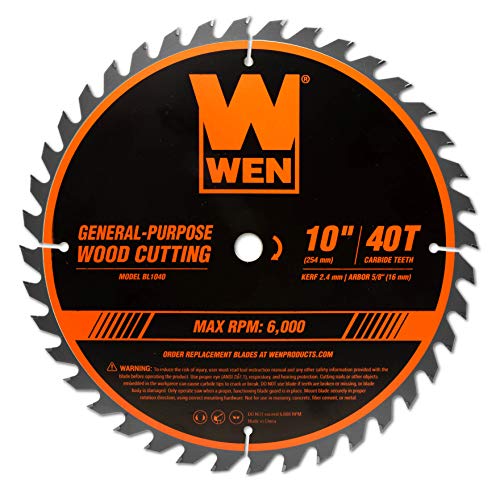
The WEN BL1040 is a 10-inch blade with a 5/8-inch arbor and compatibility with miter and table saws. It delivers a thin kerf for efficient cutting, handling both hard and soft woods at high speeds while maintaining alignment and reducing heat buildup during long runs.
DIABLO Finish Blade, 40 Teeth

DIABLO’s 40-tooth finish blade emphasizes precise crosscuts and rips with long-lasting TiCo carbide teeth. The coating and Kerf design reduce heat and waste, helping produce smooth surfaces across hardwood, softwood, and plywood applications.
FOXBC 6-1/2″ 40-Tooth Blade

The FOXBC blade features a fine finish profile with a 0.059 inch kerf designed for fast, precise cuts. It is compatible with both corded and cordless circular saws and is suitable for general wood cutting including plywood and OSB, aiming for smooth, accurate results.
Buying Guide: Key Purchase Considerations
- Blade diameter and arbor: Match to your saw’s blade size and arbor (most common is 5/8″).
- Tooth design and coating: Carbide teeth last longer; coatings (like TiCo or Perma-Shield) reduce heat and gumming for clean cuts.
- Kerf thickness: Thinner kerfs cut with less waste but may be more prone to binding on less rigid saws; balance with your project needs.
- Cut type optimization: Finish blades excel in smooth crosscuts; framing blades favor durable teeth for fast cuts through structural lumber.
- Vibration and stability: Designs with specialized bodies or slots reduce vibration for steadier guidance and cleaner edges.
- Price vs. lifespan: Higher-cost carbide blades often deliver longer life, especially under repetitive framing or finishing cycles.
- Material versatility: Some blades perform well on softwood and hardwood; others are optimized for plywood or OSB edges.
- Brand ecosystem: If you already own a tool line, choosing a compatible blade can maximize performance and warranty alignment.