Best Placement for Carbon Monoxide Detectors: Safe, Effective Positioning
Carbon monoxide is odorless and invisible, so where you place a detector matters as much as which model you choose. Proper positioning ensures early warnings in sleeping areas, living spaces, and near fuel-burning appliances. This guide highlights five top options and explains how their features influence ideal locations, whether you’re in a house, apartment, or RV. A quick summary table appears below, followed by in-depth sections for each product and a practical buying guide to help you compare options across scenarios.
| Product | Brand | Key Benefit | Notes |
|---|---|---|---|
| Kidde Battery Powered CO Alarm With LEDs | Kidde | Battery-operated with clear LEDs | Portable; wall or tabletop placement |
| NICGOL 4-in-1 Gas and CO Detector | NICGOL | Multi-sensor protection (CO, natural gas, temp, humidity) | Plug-in; dual alarms |
| First Alert CO400 Battery Operated | First Alert | Reliable electrochemical CO sensing | Battery powered; flexible placement |
| First Alert CO605 Plug-In CO Detector With Backup | First Alert | Plug-in with battery backup | Easy use; audible alert; continuous protection |
| X-Sense XC01-R CO Detector With LCD | X-Sense | LCD display; long-life battery | Wall or freestanding; travel-friendly |
Kidde Battery Powered CO Alarm With LEDs
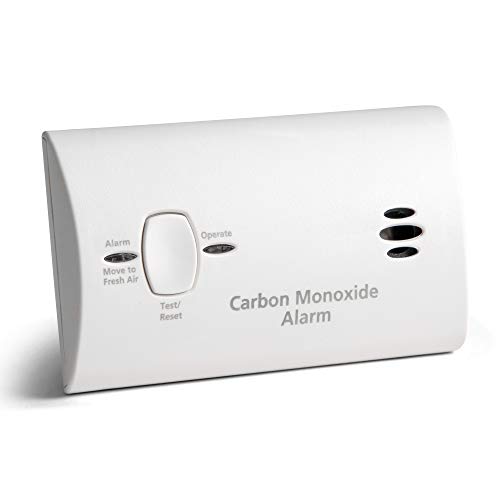
Kidde’s battery-powered carbon monoxide detector uses an electrochemical sensor to reliably detect CO gas and continues to operate during power outages on two included AA batteries. Its flexible installation supports wall mounting or tabletop placement, making it suitable for bedrooms, living rooms, or near fuel-burning appliances where airflow can influence sensor response. A green LED indicates power, while an 85‑decibel alarm paired with a red indicator signals CO presence, providing a clear, immediate alert in low-light environments.
For optimal safety, place detectors on each level of the home and outside sleeping areas. Wall mounting is typically at about chest height for easy audible access, while tabletop units should sit away from heat sources and out of reach of children. Avoid installing directly above or beside cooking appliances or bathrooms where humidity or steam can cause false alarms. Regular testing with the built‑in button and periodic battery replacement maintain readiness over time.
NICGOL 4-in-1 Gas and CO Detector

The NICGOL 4‑in‑1 detector combines sensors for natural gas, carbon monoxide, temperature, and humidity in a single plug‑in unit. It features dual sensors and a dual alarm system with a loud 85 dB alert and a flashing red light to ensure quick recognition of hazards, even during sleep or nighttime activity. The device’s energy-efficient design supports 110V–220V AC power, delivering dependable protection without frequent replacements, and it’s well suited for homes and RVs with multiple occupancy areas.
Placement considerations emphasize mounting near fuel-burning appliances, kitchens, basements, or entry points to sleeping zones. Avoid direct drafts, high humidity, and proximity to vents where airflow could interfere with sensing. Since it’s plug‑in, position it on a central level for early warnings while you’re away from home. The dual alarm system provides redundancy, increasing the likelihood that at least one sensor will alert you if conditions change rapidly.
First Alert CO400 Battery Operated
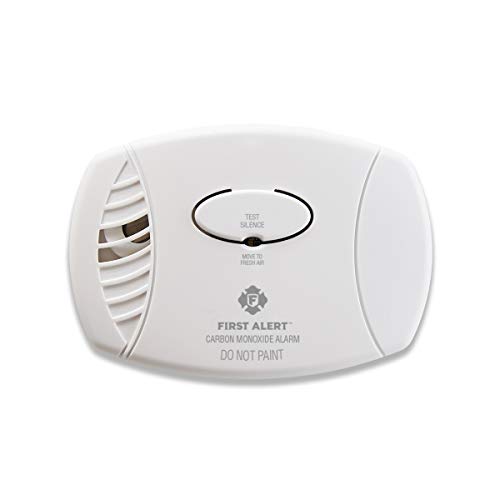
The First Alert CO400 is a straightforward battery-operated carbon monoxide detector with an electrochemical sensor that delivers continuous CO monitoring even during power outages. Its simple design supports flexible placement on walls or tables, and the audible alarm—paired with a visual indicator—provides clear alerts when CO levels reach dangerous thresholds. This model is ideal for apartments or rooms without easy access to electrical wiring, where quick, reliable setup matters most.
Placement guidance centers on locating units on every level and outside sleeping areas to ensure early warnings across the home. Avoid vent pathways, humid bathrooms, and close proximity to fuel-burning appliances to minimize false alarms. Regular testing using the test button is essential, and battery replacement should be scheduled according to the manufacturer’s guidance to maintain peak performance.
First Alert CO605 Plug-In CO Detector With Backup
The CO605 combines user-friendly plug-in installation with a battery backup, ensuring continuous CO monitoring during power outages. An electrochemical sensor delivers accurate CO detection, while the plug-in design reduces the need for frequent battery changes. A straightforward interface and test/silence controls enable quick verification and response, making it a practical choice for living areas and bedrooms where immediate alerts are critical for safety.
Placement considerations include mounting in living spaces and near sleeping areas on each floor, avoiding direct heat sources, drafts, or damp environments. Position detectors so the audible alarm can be heard throughout the space, and use the backup battery to maintain protection when power is interrupted. Regular testing and dust removal keep sensors responsive, and follow manufacturer guidance for any recommended replacement intervals.
X-Sense XC01-R CO Detector With LCD

The X-Sense XC01-R offers a replaceable battery CO detector with a digital LCD display and peak value memory for trend awareness. It emphasizes long-term reliability with a 7‑year replaceable battery and an 85‑decibel alarm for prompt alerts. Its compact form supports wall mounting or freestanding use, and its travel-friendly design makes it suitable for homes, hotels, and temporary accommodations where consistent CO monitoring is needed.
Placement flexibility is a key benefit: install in bedrooms, hallways, living areas, or offices on multiple levels. The LCD readout provides at-a-glance CO readings, which is helpful for monitoring fluctuations. Maintain accessibility by placing it where it can be easily heard and read, and avoid obstructing the vents that feed the sensing element. Regular tests and battery checks help preserve responsiveness during emergencies.
Buying Guide
When selecting a carbon monoxide detector and deciding where to place it, consider how power, sensor technology, and installation method interact with your living space. The right combination improves protection for occupants without triggering false alarms or requiring excessive maintenance.
Power Options And Backups
Detectors come in battery-powered, plug-in, and hybrid designs with battery backups. Battery-only models are portable and easy to install in rental spaces or rooms without outlets. Plug-in units provide continuous protection with less frequent battery changes, but they require a nearby outlet. A backup battery is essential for any plug-in model to ensure monitoring during outages. In homes with frequent outages or limited outlets, a combo approach can offer reliable coverage with minimal disruption.
Placement Basics And Coverage
Best practices typically recommend one detector on every level of the home and outside sleeping areas. Place detectors away from doors, windows, and vents to avoid drafts that could skew readings. Wall-mounted units are commonly installed about 5 feet above the floor, while some detectors designed for ceilings may be mounted closer to the ceiling. In bedrooms, position detectors near but not directly above beds to ensure the alarm is easily heard at night. For large homes, consider additional units to maintain full coverage.
Sensor Quality And Lifespan
Electrochemical sensors are the standard for CO detection due to their accuracy and longevity. Look for products with long sensor life, low drift, and clear readouts when possible. Some models include peak value memory, which can help track exposure history over time. Battery life varies by model, with 7‑year replaceable options offering fewer maintenance interruptions. If a detector becomes unreliable or starts giving frequent false alerts, replacement is advisable to maintain safety margins.
Maintenance And Testing
Regular testing is essential—use the test button monthly or per manufacturer recommendations. Replace batteries as soon as the low-battery indicator signals or per the device’s guidance. Keep sensors clean by dusting the unit with a soft cloth, avoiding harsh chemicals. Do not paint or obstruct sensor openings, and follow the manufacturer’s intervals for sensor or unit replacement to maintain peak performance.
Model Comparisons And Practical Considerations
When choosing among models, consider whether you prefer multi-gas detection (such as NICGOL’s 4‑in‑1) or CO-only units for focused monitoring. For households with multiple rooms or travel needs, a detector with a digital display or memory features (like X-Sense models) can improve situational awareness. If aesthetics or space constraints matter, compact and wall-friendly designs may suit your layout better. Finally, assess interconnectivity options if you want synchronized alarms across several detectors in larger homes or commercial spaces.